

I Proudly Belong to the "South Side" of Chicago
May 7, 2025
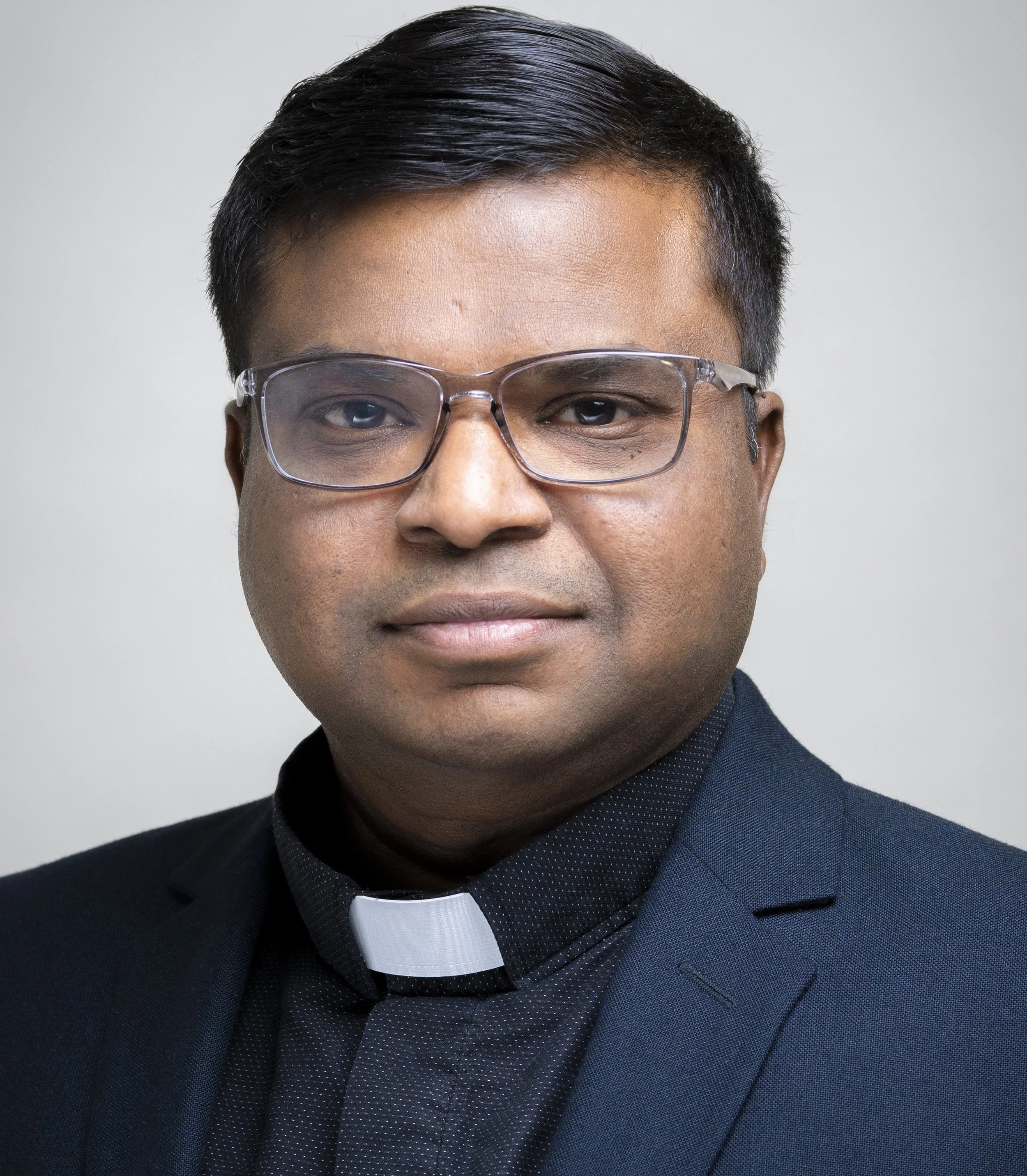
In the spring semester 2024, I was enrolled in a course and during our introductions, one classmate remarked pointedly that I "didn't belong to the South Side of Chicago." Her words were met with a powerful counterpoint from another student who, without hesitation, declared, “I proudly belong to the South Side of Chicago.” This began my inquiry into the subject and a good relationship with the latter.
Later on, in an another occasion, a fellow Indian friend, upon hearing that my neighborhood is near the South Side, responded with evident fear and anxiety, asking, “Do you really live there?” To which I replied with defiance: “Yes, I live in the South Side of Chicago.” Later on I realized, there makes a lot more difference between saying "I live in the South Side of Chicago" and "I belong to the South Side of Chicago."
These seemingly a small moments carry deep implications. As a Dalit and a person of color, I have come to recognize the structural and symbolic parallels between caste oppression in India and racialized oppression in the United States. Echoing the words of Rev. Dr. Otis Moss III, who proudly calls Trinity United Church of Christ as "the greatest church on this side of the Jordan," I affirm my belonging to the South Side not merely as a place of residence but as a site of resistance, resilience, and sacred community.
The racialized scripting of Black bodies in America resonates painfully with the caste-based scripting of Dalit bodies in India. Reggie Williams, in Racial Script, draws upon James Baldwin’s searing observation: “To be a Negro [sic] in this country and to be relatively conscious is to be in a rage almost all the time.” Baldwin’s insight captures the existential condition of Black life in America, an unrelenting rage not rooted in pathology but in persistent and systemic dehumanization. I, too, find myself in that rage, not solely as a racialized person, but as a Dalit, experiencing a mirrored marginalization in a foreign land that echoes the scripts of my homeland.
This layered experience of being Dalit in a racialized society renders me what some might call “an oppressed among the oppressed.” It reminds me of Ibram X. Kendi’s confession in How to Be an Antiracist: “I began to silence the war within me… and started embracing the struggle toward an antiracist consciousness.” Translating this into my own context, it became a struggle toward an anti-caste consciousness, one that not only resists inherited systems of oppression but also recognizes their transnational entanglements.
Like Dalit bodies, Black bodies in the United States are often perceived through what some scholars describe as disruptive aesthetics, seen as dangerous, unruly, or disposable. Saidiya Hartman writes of the afterlife of slavery in which Black lives remain in a state of “accumulated dispossession.” Similarly, Dalits have long been the repository of cultural and moral disgust, criminalized by India’s caste codes and perpetually subjected to violence and erasure.
I do not mean to equate the precise historical and structural trajectories of anti-Black racism and caste-based oppression, but rather to engage what Paul Gilroy calls diasporic intimacy, a felt solidarity among the marginalized. The Atlantic slave trade and millennia-old caste hierarchies are distinct in origin but converge in their effects: the devaluation of human life, the criminalization of bodies, and the legitimization of systemic violence.
In America’s unrestrained gun culture, where law enforcement is militarized and shielded by legal frameworks that often elude accountability, Black communities live under a constant threat. This threat is not a consequence of individual actions, but rather, as Baldwin suggests, “a system that cannot fail to produce [rage].” Similarly, in India, Dalits live under the shadow of institutionalized impunity, where upper-caste violence is seldom prosecuted, and caste hierarchies remain deeply embedded in law, religion, and social custom.
I have learned and am learning not only to defend the South Side of Chicago in my writings and even in casual conversations with cab drivers, pastors, and students at the University of Chicago, but I also to see it as a sacred geography of struggle. It is a terrain where histories of oppression collide, but also where theologies of liberation, resistance, and radical love are born.
Baldwin’s rage, Kendi’s consciousness, and Moss’s pride are not contradictions; they are companions on the long road toward justice.