



For nearly two centuries, McCormick Theological Seminary has prepared leaders to serve a changing world with courage, compassion, and conviction. Rooted in the Reformed tradition and shaped by a commitment to justice, McCormick equips students for ministries that are faithful, inclusive, intellectually rigorous, and deeply engaged with the realities of today's communities.
Our approach to theological education combines academic excellence with critical reflection, spiritual formation, and public witness—preparing graduates to lead congregations, organizations, movements, and communities in ways that embody God's work of healing, liberation, and transformation.
We invite you to explore our community, discover our story, and learn more about the people, programs, and partnerships that continue to shape McCormick's future.
A HUMBLE BEGINNING, A LASTING VISION
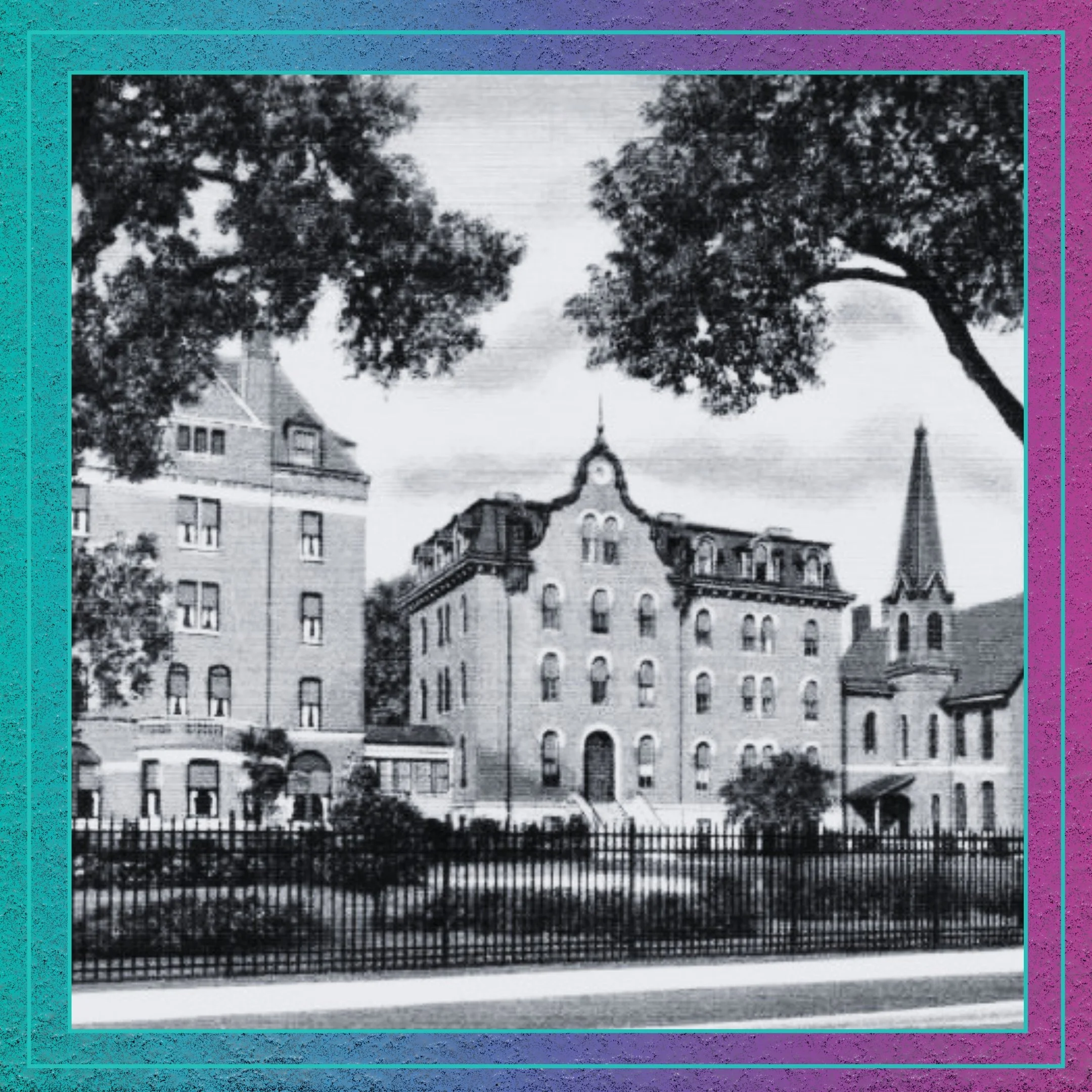
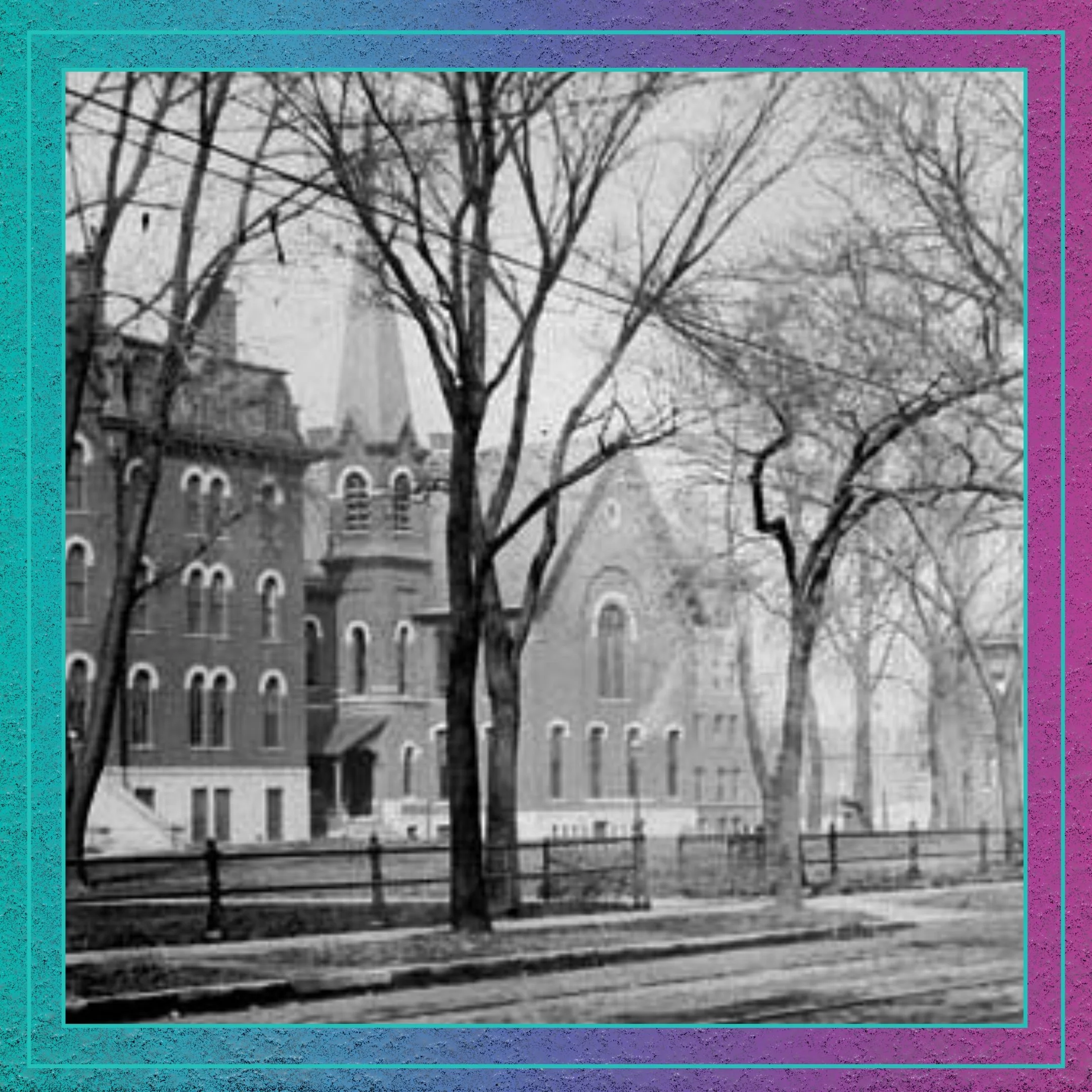
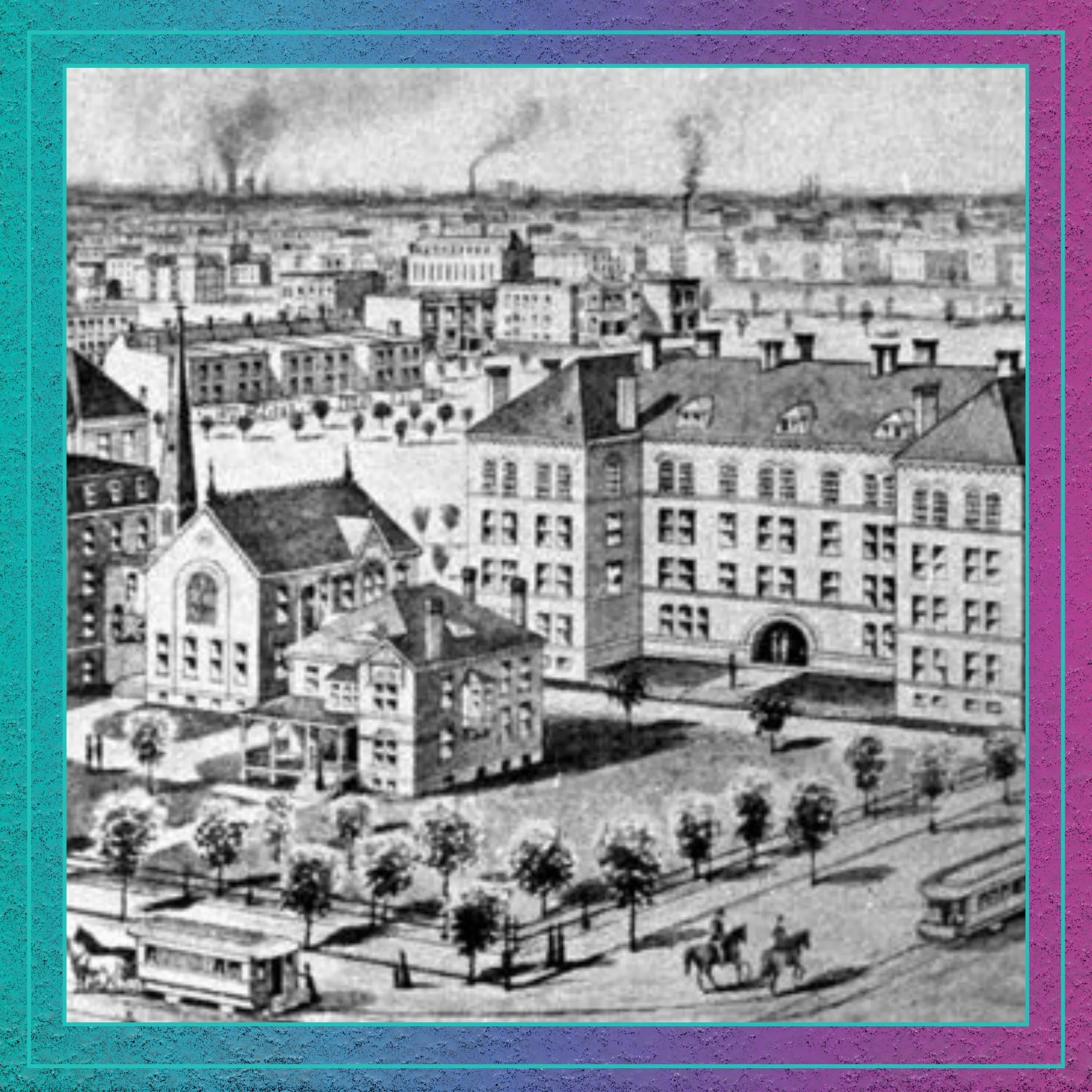
McCormick's story began in 1829 in a simple log cabin in Indiana, where a small faculty and a handful of students gathered around a bold vision for theological education. As the nation expanded westward, so did the Seminary's sense of calling. In the years leading up to the Civil War, McCormick relocated to Chicago—a rapidly growing city that would become both its home and an essential part of its identity.
The Seminary found an enduring champion in industrialist and Presbyterian lay leader Cyrus H. McCormick, whose vision and generosity helped establish McCormick as one of the nation's leading theological institutions. Following his death in 1884, the Seminary was renamed in his honor.
FORMED IN THE MIDST OF CHANGE
Throughout its history, McCormick has believed that theological education cannot be separated from the world it serves.
During the civil rights movement and the social upheavals of the 1960s, McCormick students and faculty stood alongside communities confronting racism, poverty, and injustice. They served neighborhoods affected by unrest, participated in peaceful demonstrations, and challenged the Seminary itself to live more fully into its theological commitments.
These defining moments helped shape McCormick's enduring conviction that faith calls leaders not only to study the world, but also to transform it.
BUILDING COMMUNITY ACROSS TRADITIONS
McCormick has long embraced collaboration as a vital expression of theological education.
The Seminary's move to Chicago's Hyde Park neighborhood in the 1970s opened new opportunities for ecumenical learning and partnership with neighboring theological schools and the University of Chicago. These relationships expanded academic offerings while fostering rich dialogue across Christian traditions.
McCormick also broadened its commitment to serving an increasingly diverse Church by developing pioneering programs in Latino/a, African American, and Korean American ministries while intentionally cultivating a learning community that reflects the breadth of God's people.
The Seminary's partnerships have continued to grow through collaborative academic programs, a shared library, and enduring relationships with neighboring institutions.

REIMAGINING THEOLOGICAL EDUCATION
In recent years, McCormick has continued to expand the boundaries of where and how theological education takes place.
Programs such as the Trauma Healing Initiative, the Sacred Memory Project, and our centers — the Center for African American Ministries and Black Church Studies and the Center for the Study of Latinx Theology & Ministry — reflect a vision of theological education that extends beyond the classroom into communities seeking healing, justice, restoration, and public transformation.
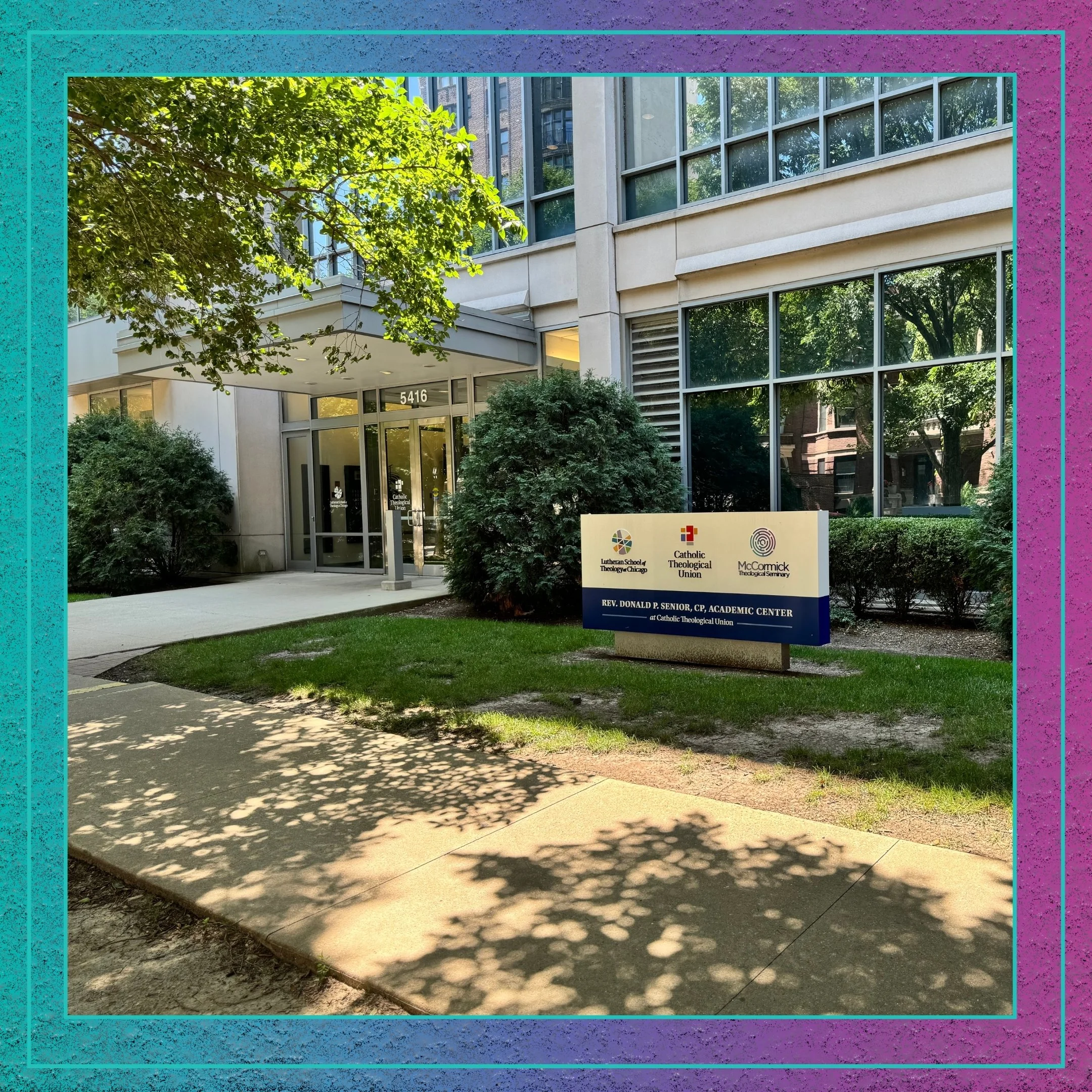
In 2023, McCormick entered a new chapter by relocating to a shared campus alongside the Catholic Theological Union and the Lutheran School of Theology at Chicago, strengthening decades of collaboration while creating new opportunities for shared learning and ministry.
INTO THE FUTURE
In 2024, Rev. Dr. Maisha I. Handy became McCormick's twelfth president and the Seminary's first African American president. Her leadership reflects McCormick's ongoing commitment to courageous theological imagination, public engagement, and transformative leadership.
Today, McCormick is one of the nation's most diverse theological seminaries. Students from a wide range of cultural backgrounds, denominations, and ministry contexts learn together in a community grounded in scholarship, spiritual formation, and a shared commitment to justice.
Nearly 200 years after its founding, McCormick continues to prepare leaders who are called not simply to serve the Church, but to help shape a more just, compassionate, and hopeful world.