

Healing is the Work Before Us
JULY 17, 2026
From the Desk of Rev. Dr. Maisha Handy
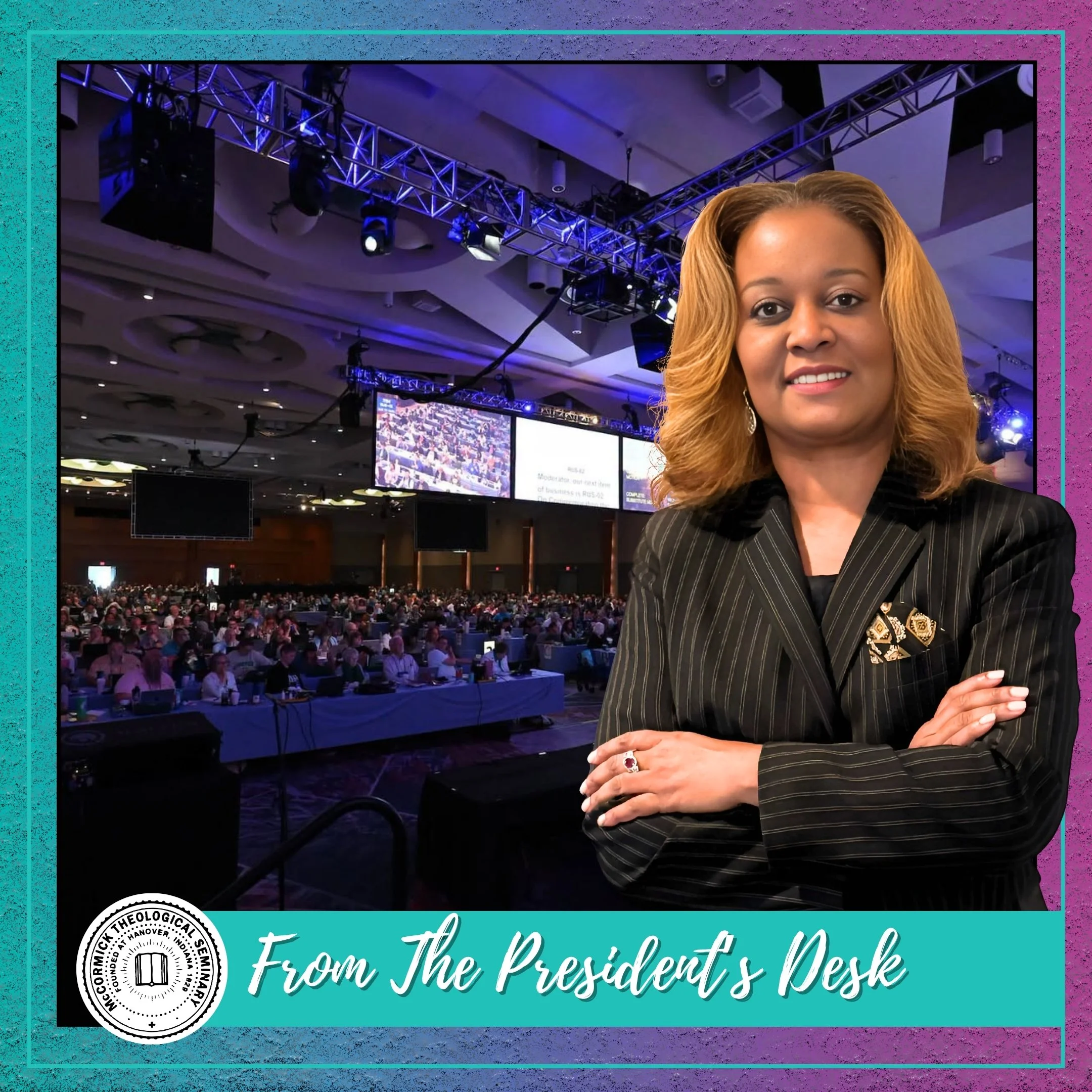
Reflections from the PCUSA 227th General Assembly
There are gatherings where decisions are made, votes are counted, and business is conducted.
And then there are gatherings where the Spirit reminds us who we are.
The 227th General Assembly of the Presbyterian Church (USA) in Milwaukee last month was one of those moments.
Over the course of the Assembly, commissioners wrestled faithfully with some of the defining moral questions of our time. They affirmed actions supporting divestment from fossil fuels, repudiated Christian nationalism, spoke boldly in naming the devastation unfolding in Gaza, advocated for access to gender-affirming healthcare, and continued the difficult work of discerning what faithfulness requires in an increasingly fractured world.
Whether every decision was met with agreement is almost beside the point. What mattered was that the denomination refused to look away.
As people of faith, we are called not to comfort ourselves with silence but to wrestle honestly with the demands of justice. The gospel has never invited us into easy consensus. It invites us into courageous discipleship. That is the Church I continue to believe in.
One willing to pray deeply, argue faithfully, listen carefully, and keep showing up for the work of God's justice.
One of the most stirring moments of the week came during the closing sermon from Rev. Laura Mariko Cheifetz, who asked a question that has stayed with me long after leaving Milwaukee: "What does it even mean to bring healing to a world in such desperate need of it, when we... are the ones who are so broken?"
She reminded us that the healing we seek requires a faith willing to know our sins "in our bones."
Healing has never been about pretending wounds do not exist. Healing begins with truth-telling. It requires memory. It asks us to confront the systems that have shaped us while believing God is still creating something new through us.
At McCormick, this conviction shapes everything we do.
We believe theological education is not simply about preparing pastors to preach. It is about forming leaders who know how to repair what has been broken, accompany communities through trauma, and imagine futures rooted in liberation, dignity, and hope.
The work of healing is not an elective. It is our calling.
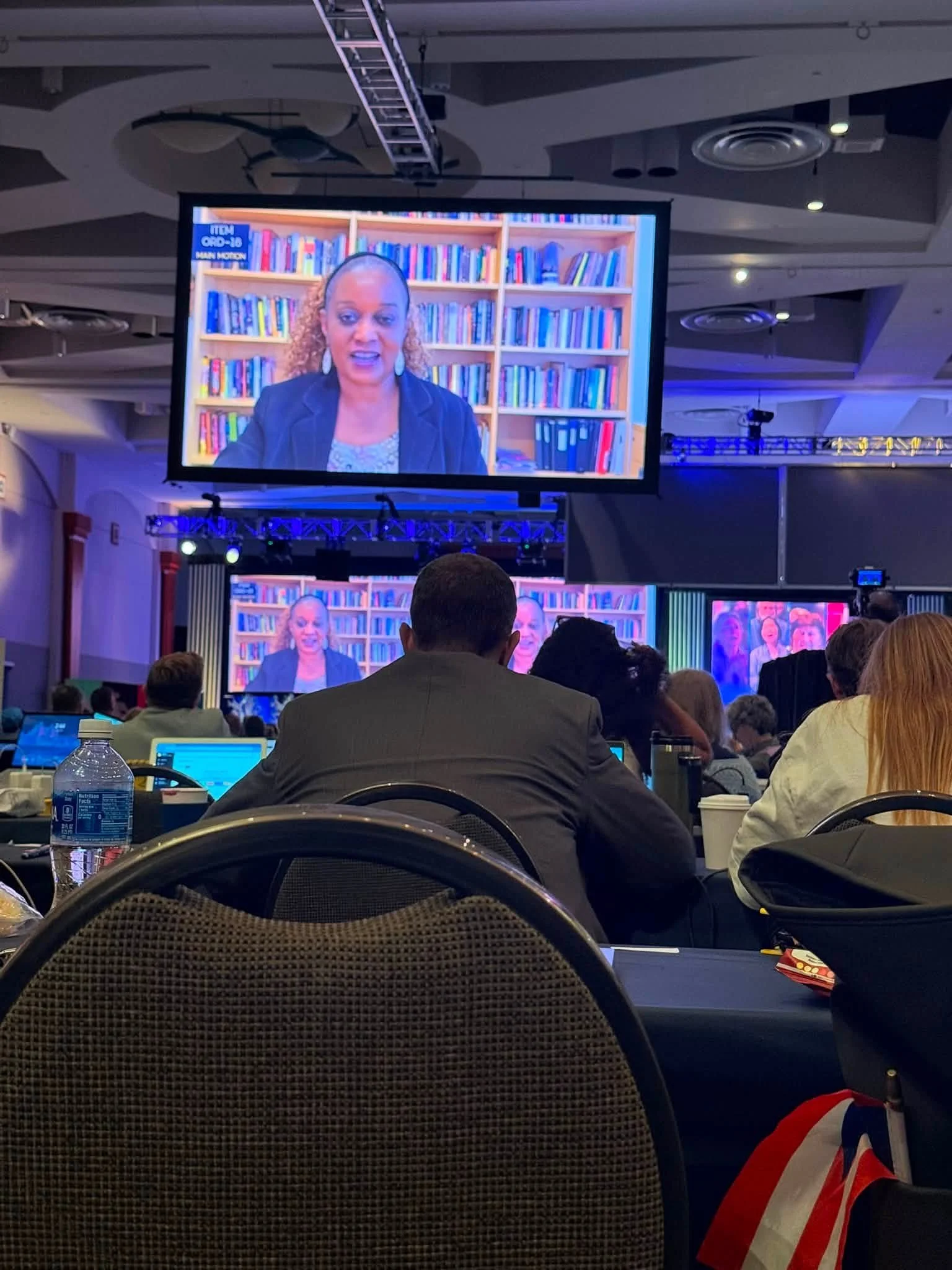
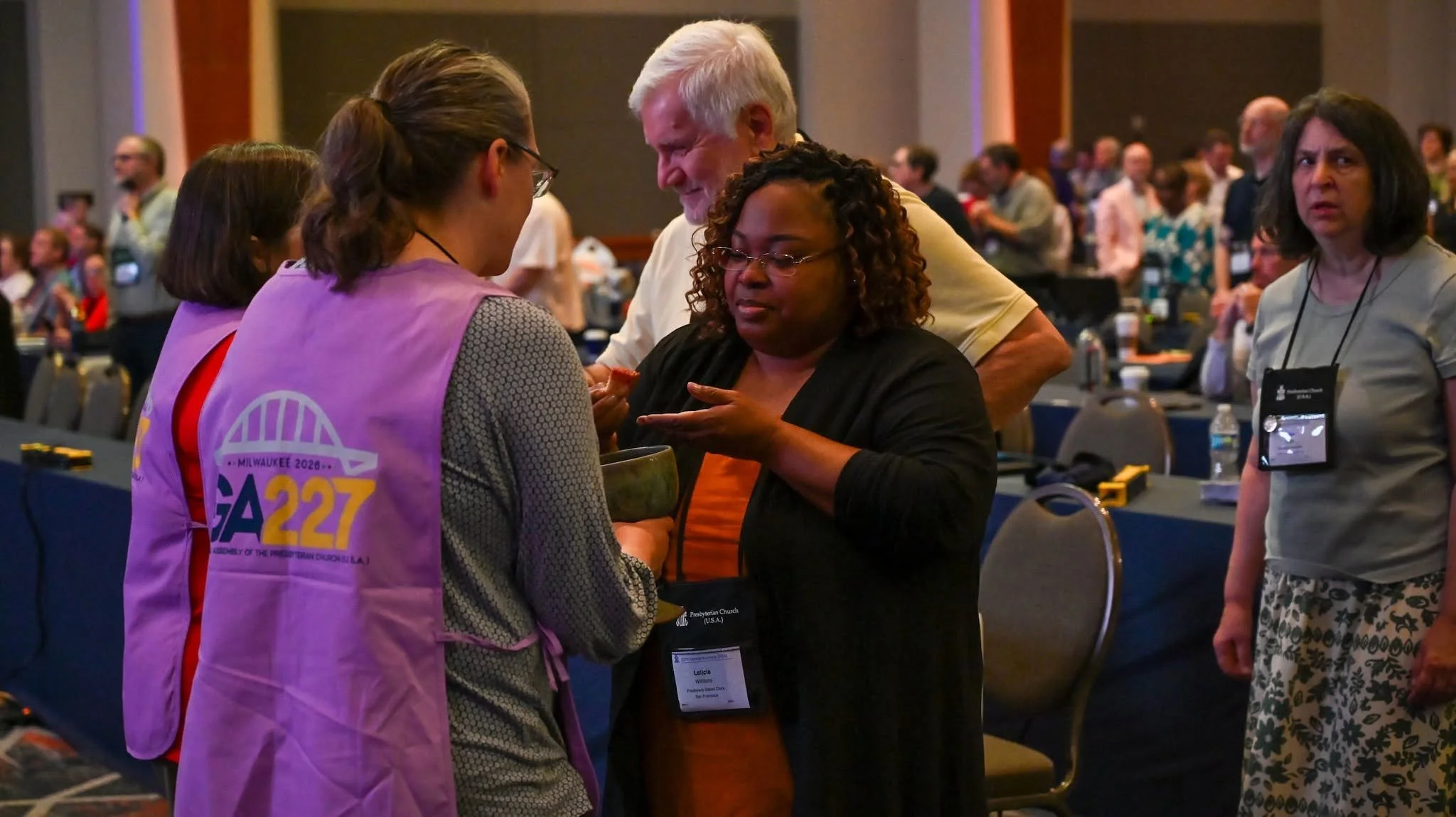
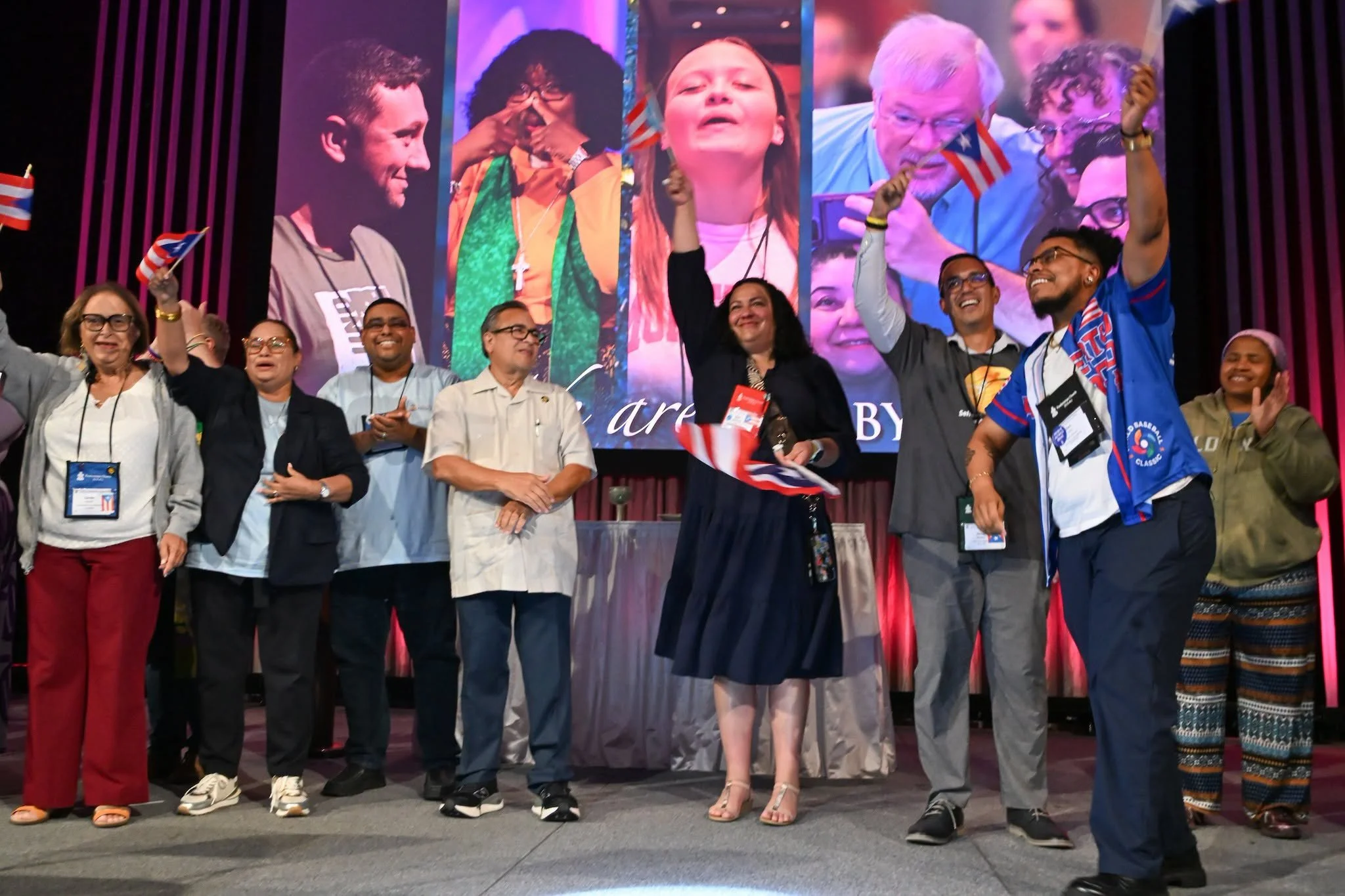
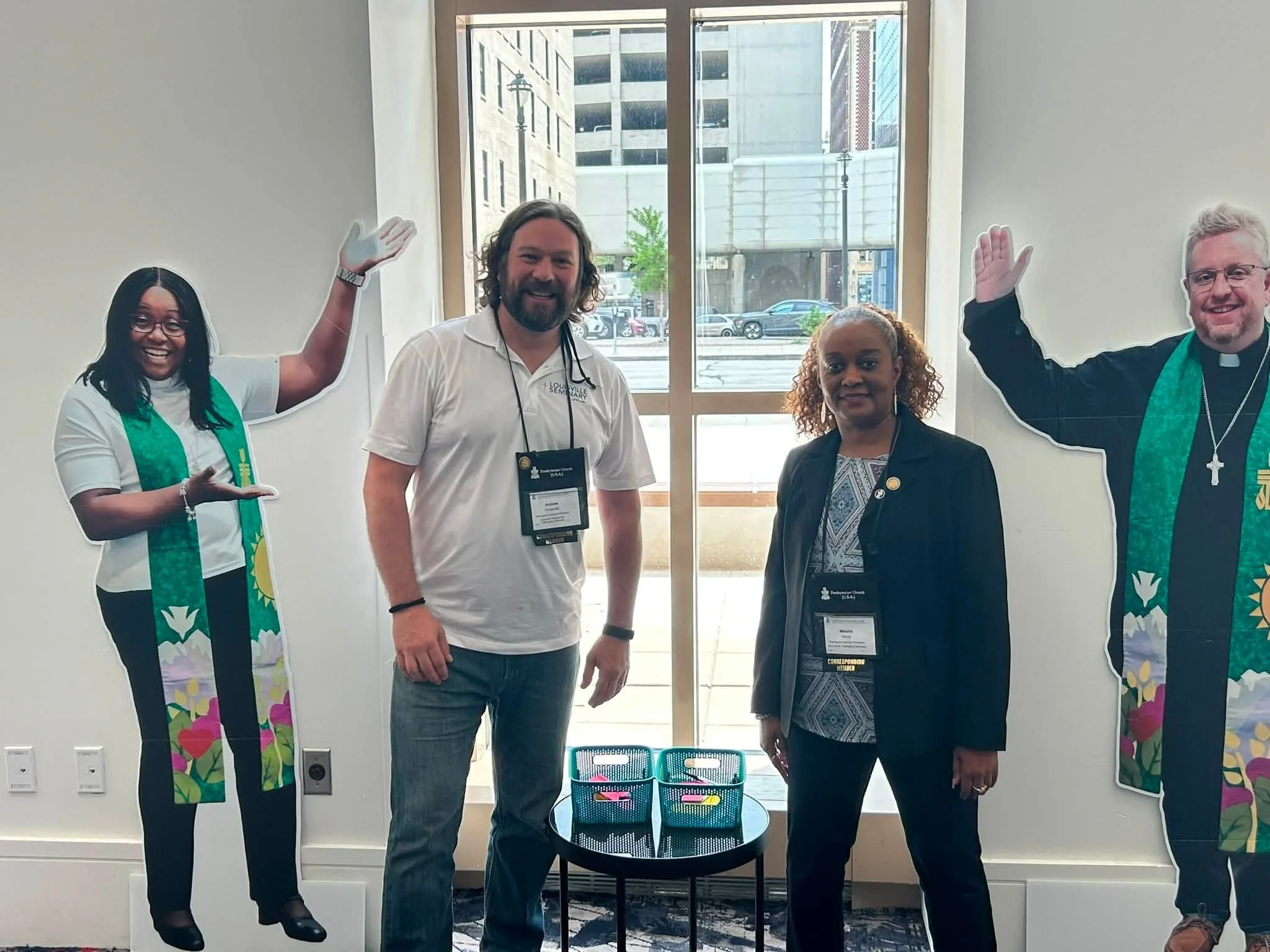
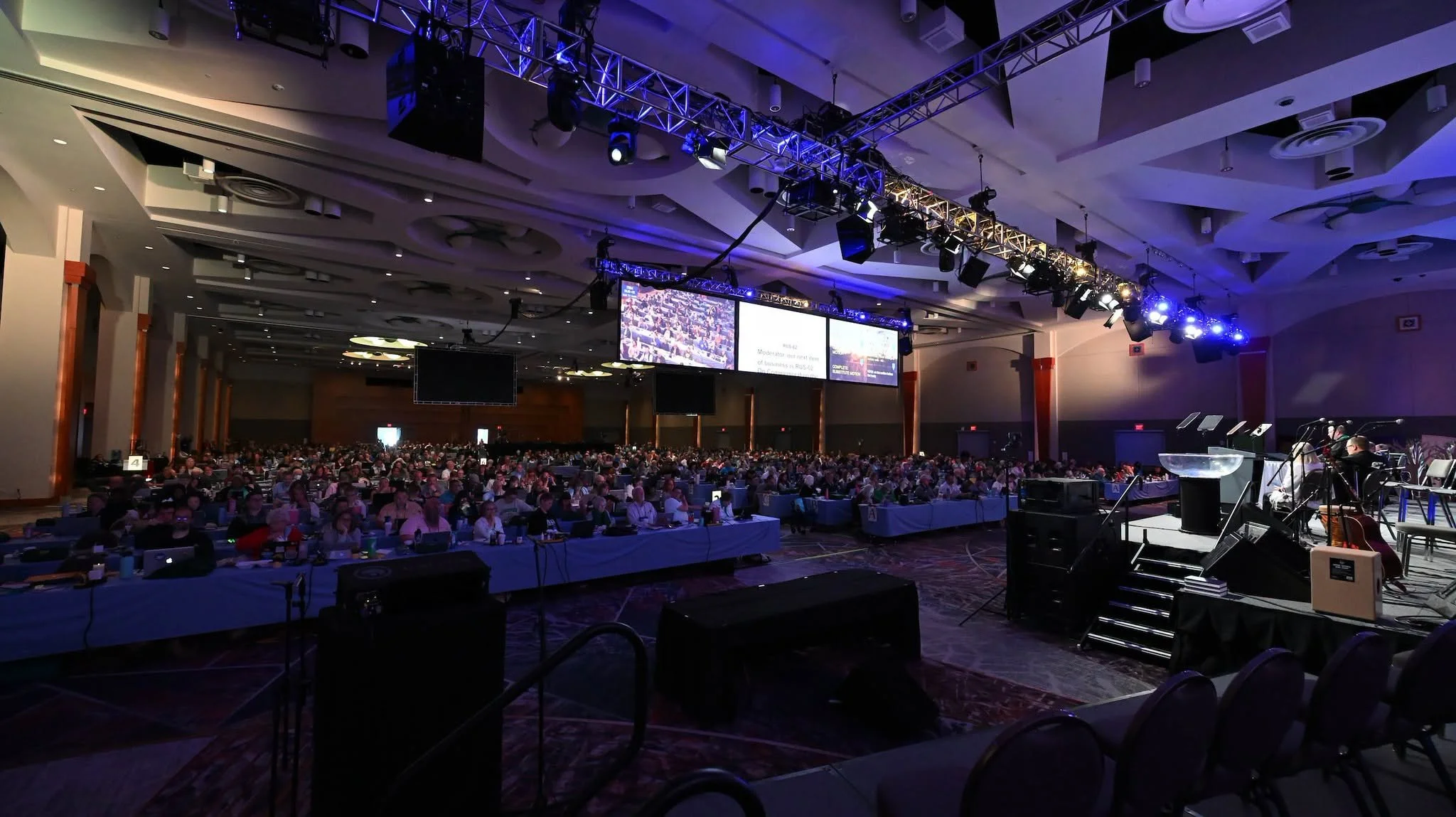
The Assembly also brought moments of profound personal gratitude.
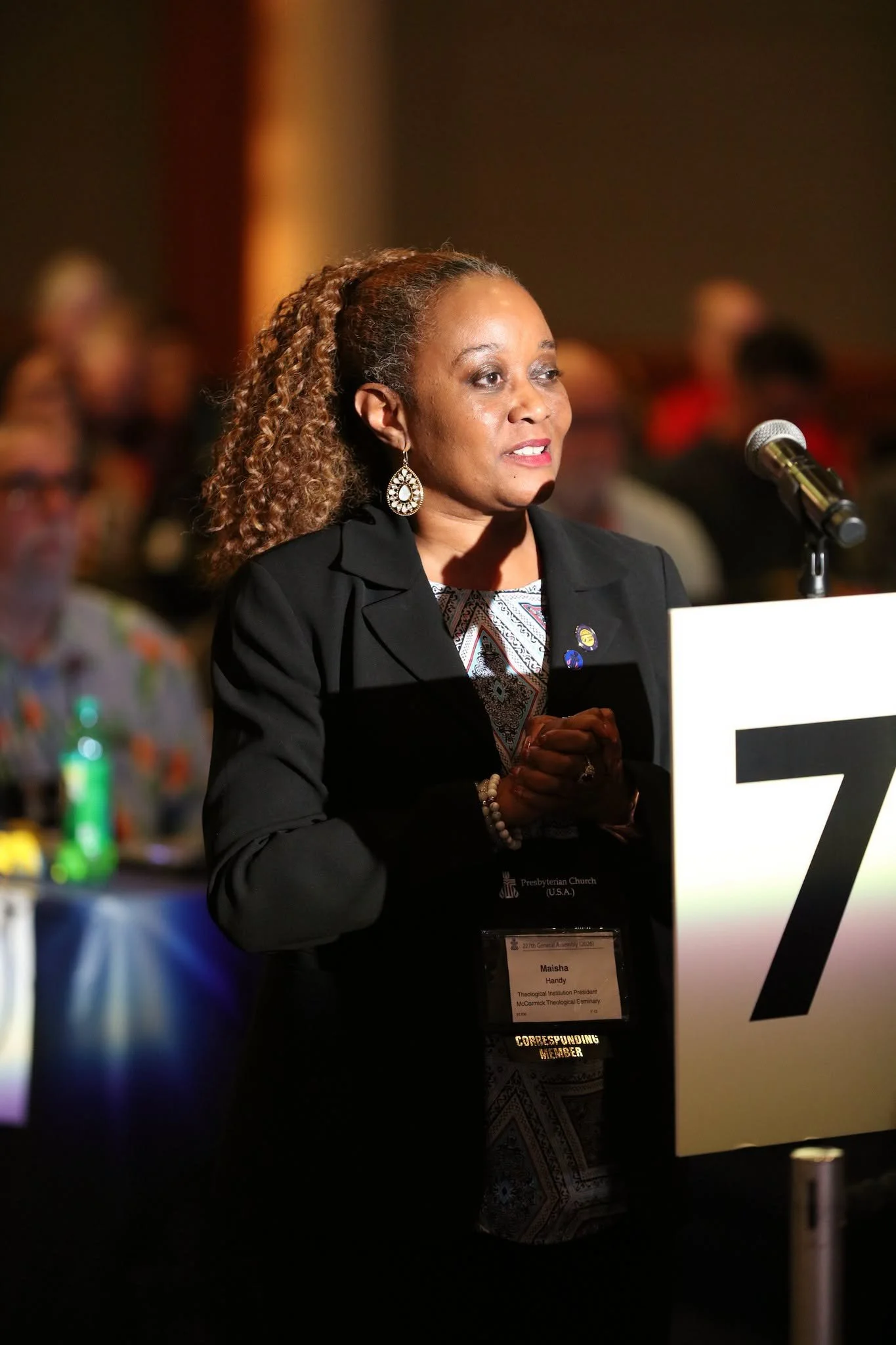
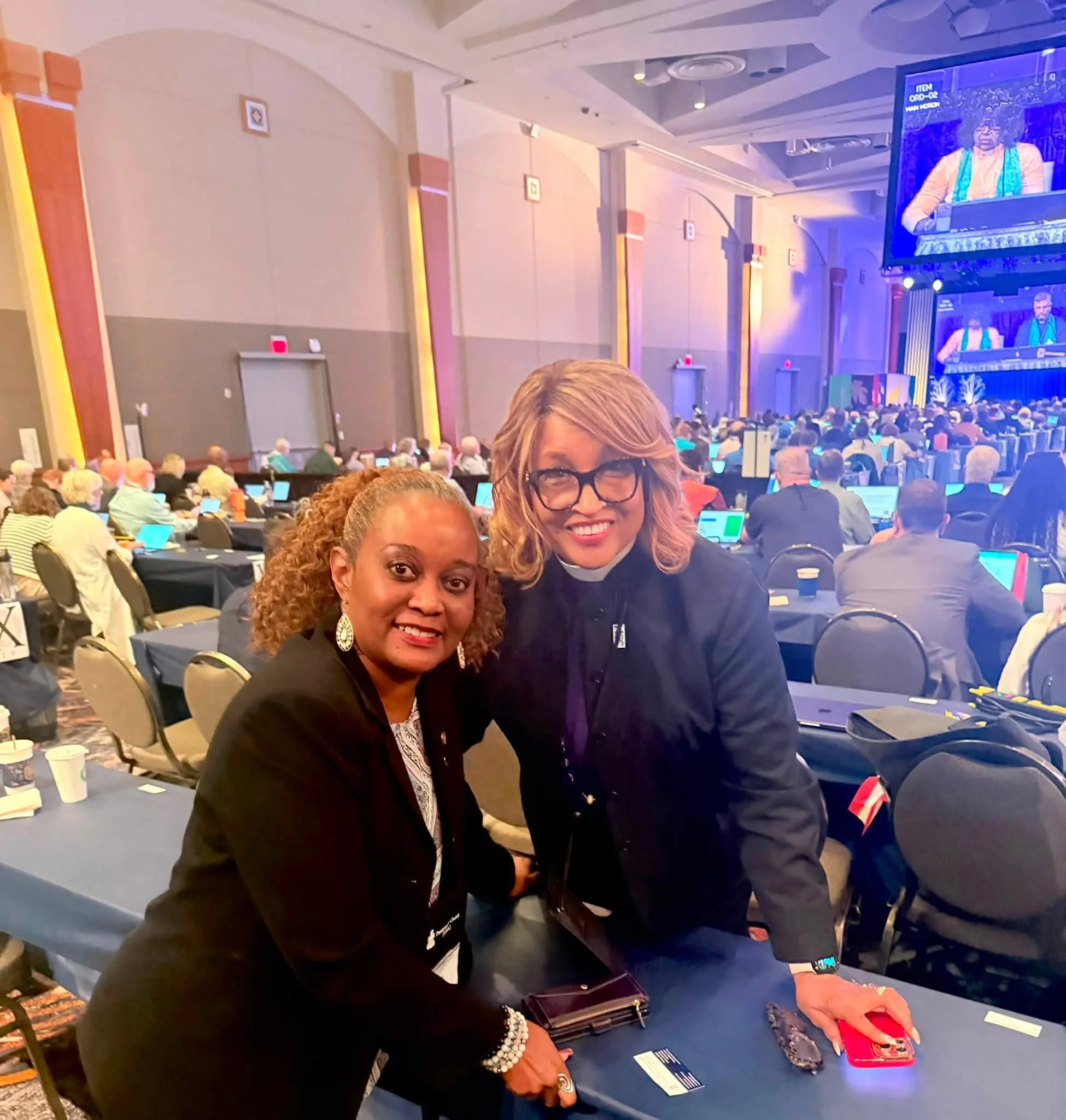
Because of the timing of when I stepped into my role, this gathering marked the first opportunity for the denomination to officially confirm and celebrate me as President of McCormick Theological Seminary. Although I have now served in this role for nearly two years, receiving such an overwhelming outpouring of encouragement, affirmation, and love from colleagues, alumni, friends, and leaders across the Church was deeply humbling.
Leadership is never a solitary journey. I carry this work because so many have carried me.
To everyone who stopped me in hallways, embraced me after worship, shared stories of McCormick's impact, or simply offered a prayer — I thank you. Those moments reminded me that our Seminary's witness extends far beyond our campus. Together we are shaping generations of leaders who will serve communities hungry for justice, healing, and faithful imagination.
One of my greatest joys was gathering with our alumni and friends during our McCormick luncheon. Every chair was filled. Every conversation carried stories of ministry, memories of formation, and renewed commitment to the future. It was a beautiful reminder that McCormick is not simply an institution.
It is a community that continues to live wherever our graduates serve.
I was equally grateful to spend time alongside my fellow presidents from the other Presbyterian seminaries. Together we shepherd institutions that are preparing the next generation of pastors, scholars, organizers, chaplains, and public theologians. Ours is not identical work, but it is shared work in the reformed tradtion, and I left encouraged by the wisdom, generosity, and mutual support that exists among these remarkable leaders.
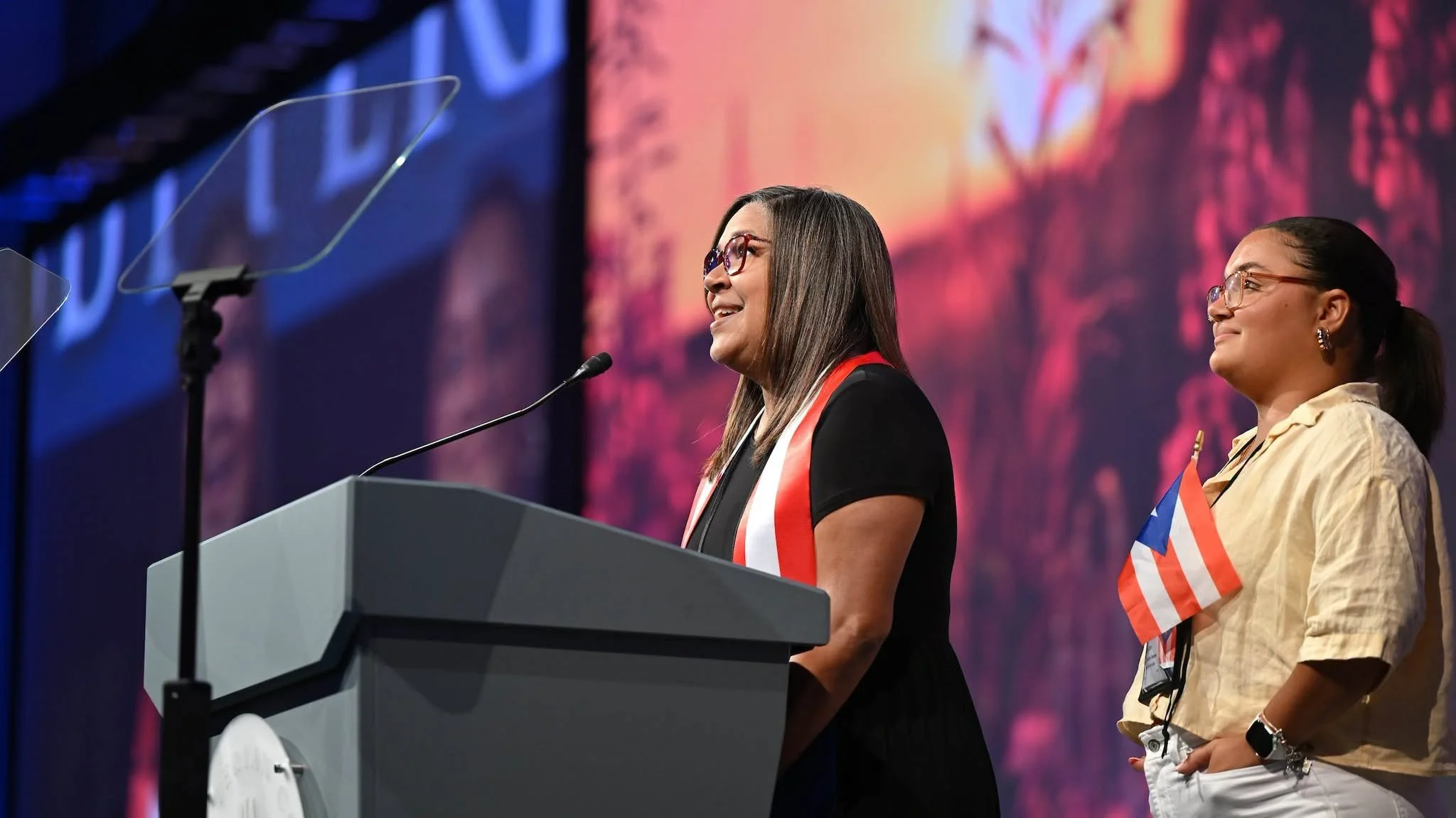
Another moment that filled my heart with joy was celebrating the election of the new co-moderators — Rev. Marta Pumroy-Cordero and Rev. Dr. Kristopher D. Schondelmeyer — who will lead us toward the 228th General Assembly in Puerto Rico, the first General Assembly to be held outside the continental United States. As a people committed to becoming a more inclusive Church, that matters.
The future of Presbyterian witness has always been broader than our assumptions and richer than our imaginations. Gathering in Puerto Rico reminds us that God's Church has never been confined by geography, language, or culture. It has always been beautifully diverse.
The Assembly began with a powerful reminder from Bishop Vashti McKenzie, who proclaimed that "the church is the strongest, not when one tradition stands alone, but when every tradition brings its best self and its best gifts to the body of Christ."
That is the Church I witnessed in Milwaukee. Not perfect. Not finished. But striving, listening, repenting, learning, and healing.
As I returned home to Chicago, I carried renewed hope — not because every question has been answered, but because I saw thousands of faithful people still willing to wrestle with them together.
The world does not need a Church that has mastered certainty. It needs a Church courageous enough to practice healing and participate in co-creating a just world. May we continue that work together.