

Turning Calling into Change
NOVEMBER 5, 2025
Theology That Ships: Student Projects Built for Monday, Not Someday
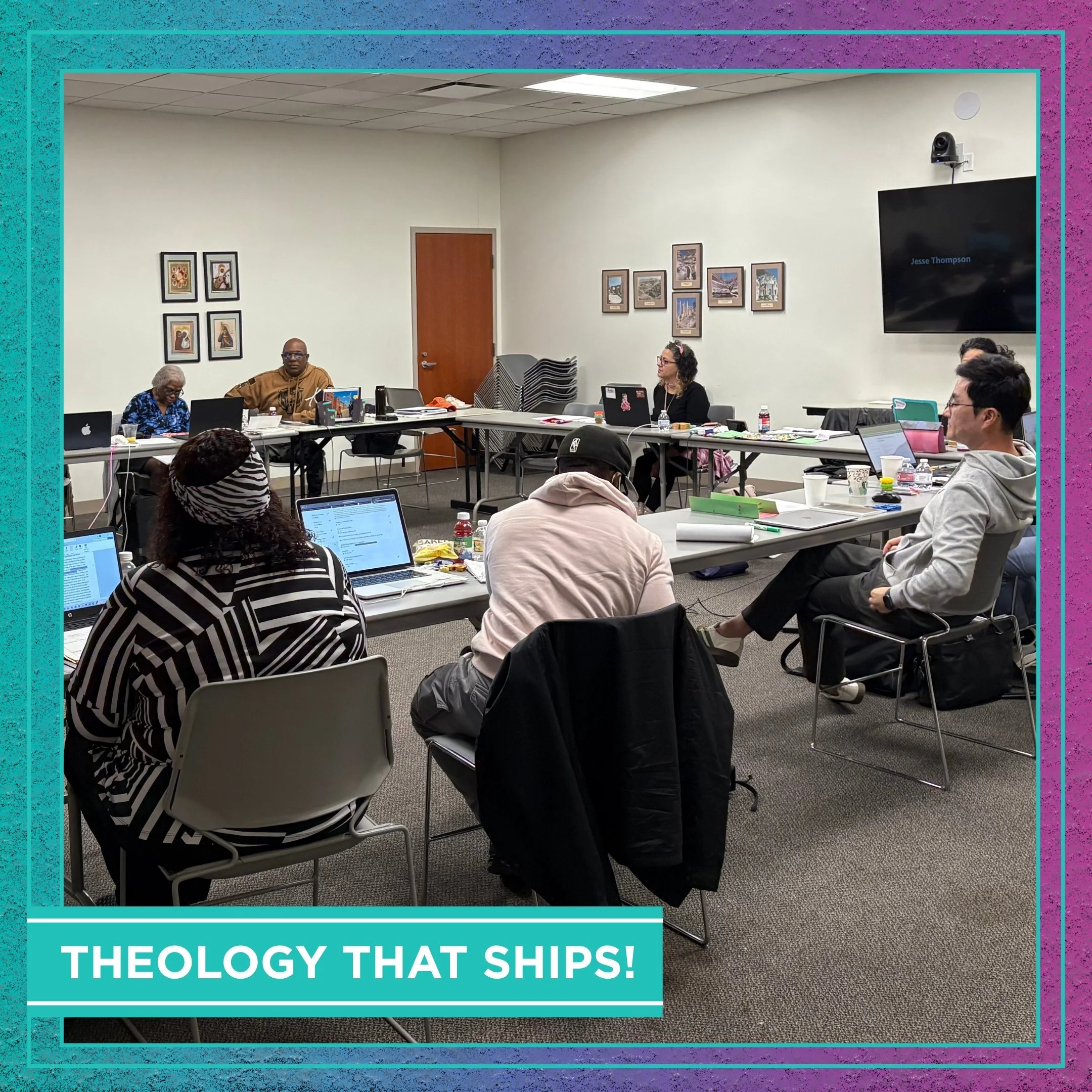
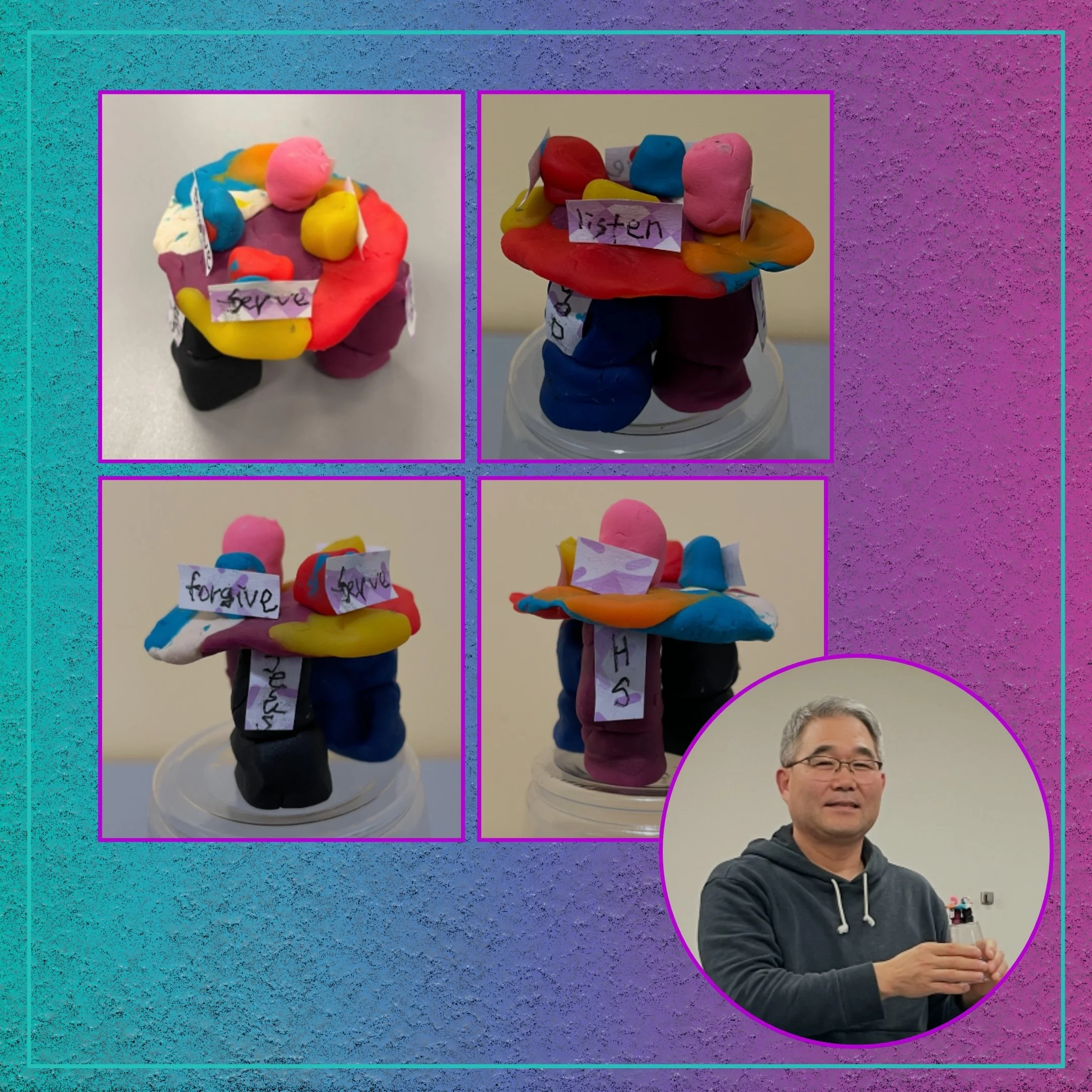
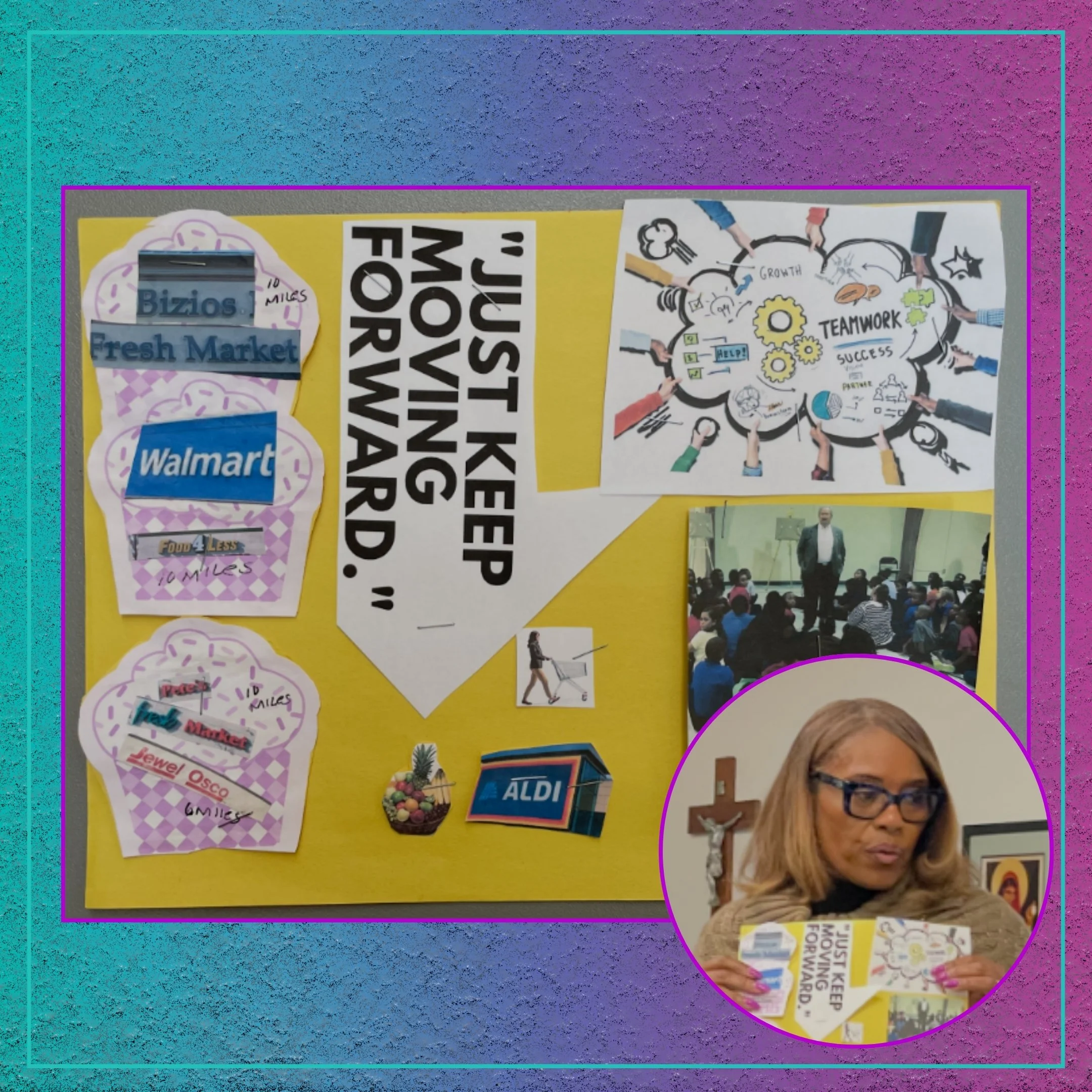
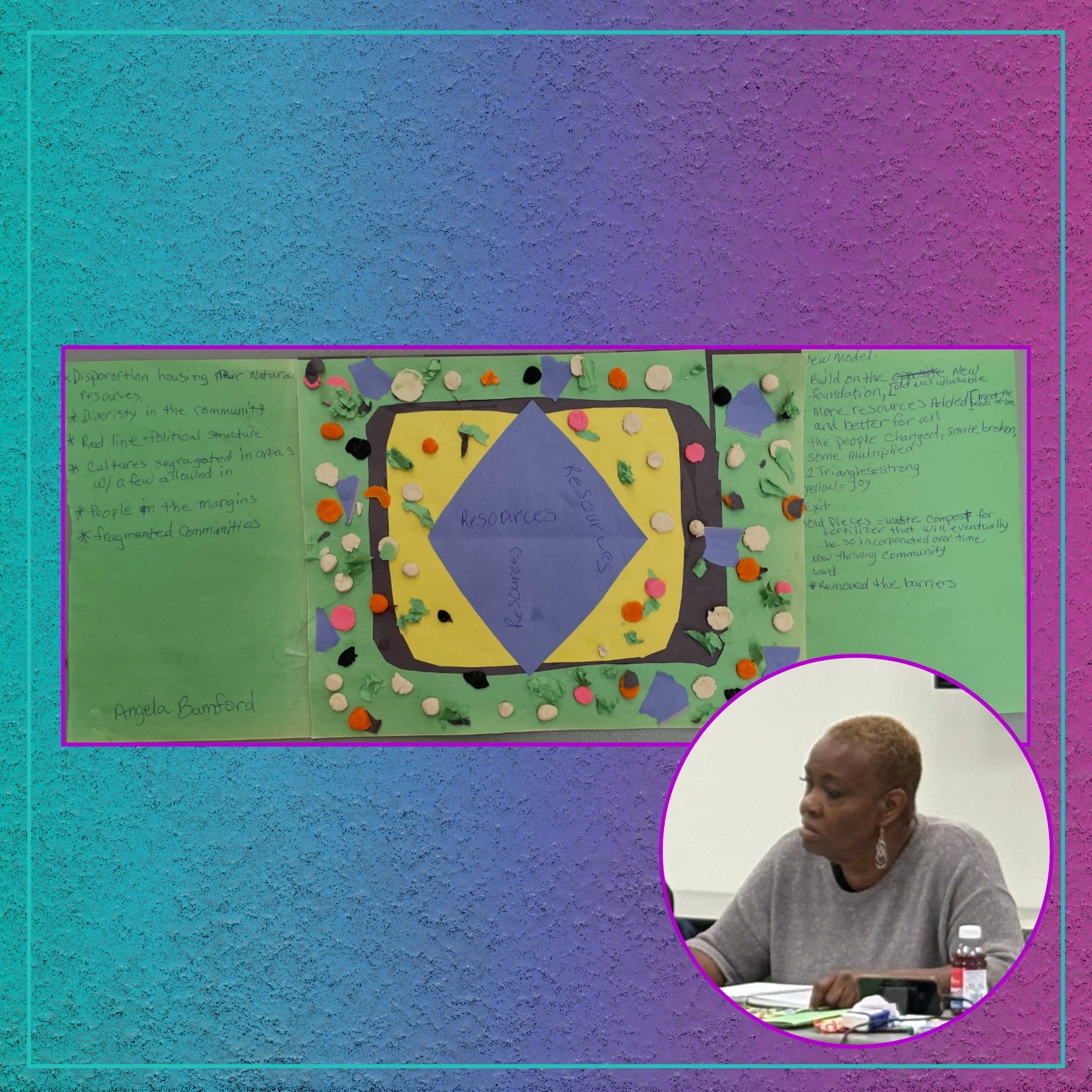
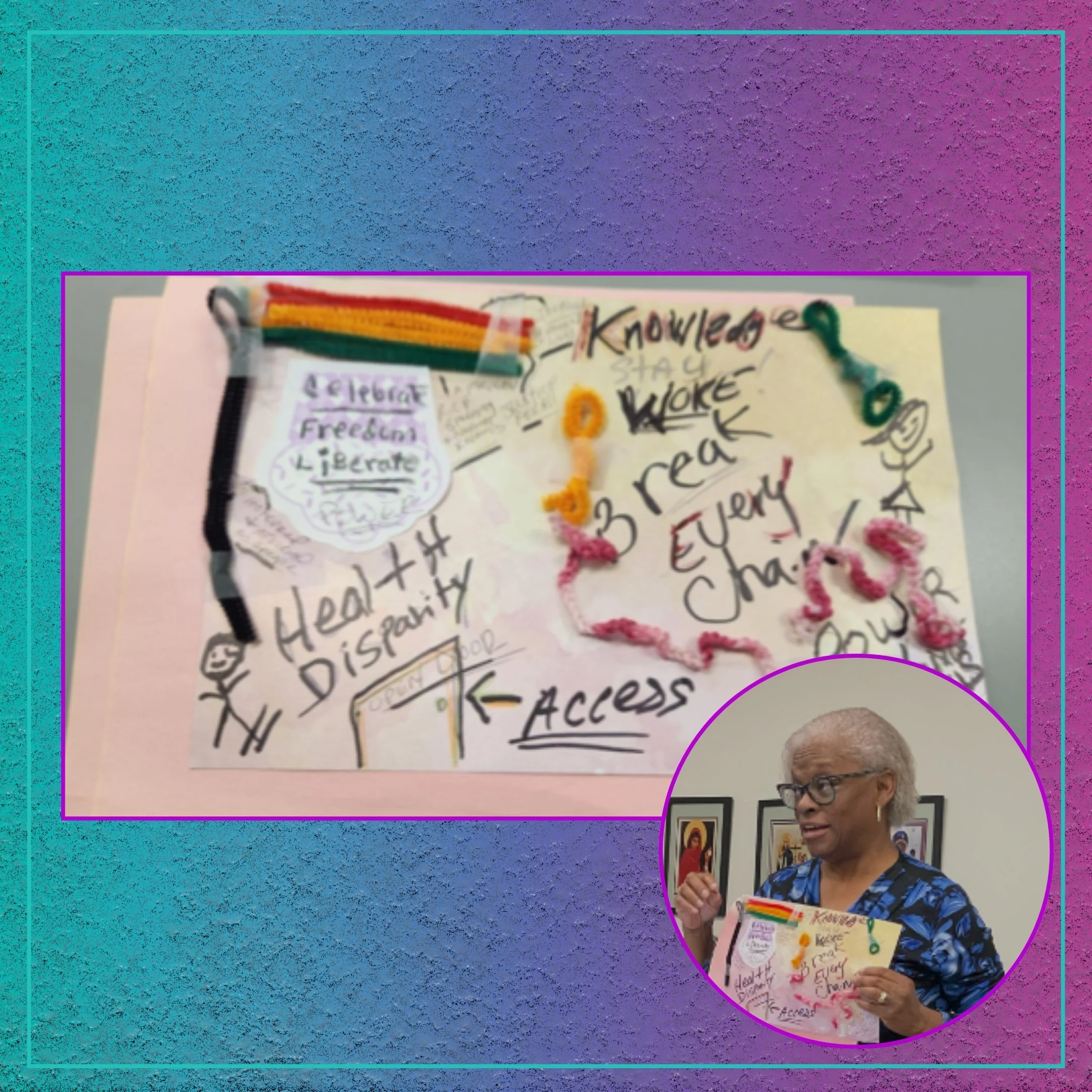
McCormick’s DMin isn’t just about reading the text — it’s about re-designing life together so communities can flourish. This fall, students in course I607: Justice Designs, taught by Rev. Dr. Lis Valle-Ruiz, shared “practice-based artifacts” that meet real needs in real contexts. Below is a snapshot of their work — each contribution shows how ministry formation at McCormick moves from classroom to congregation, from idea to implementation.
WHAT STUDENTS BUILT
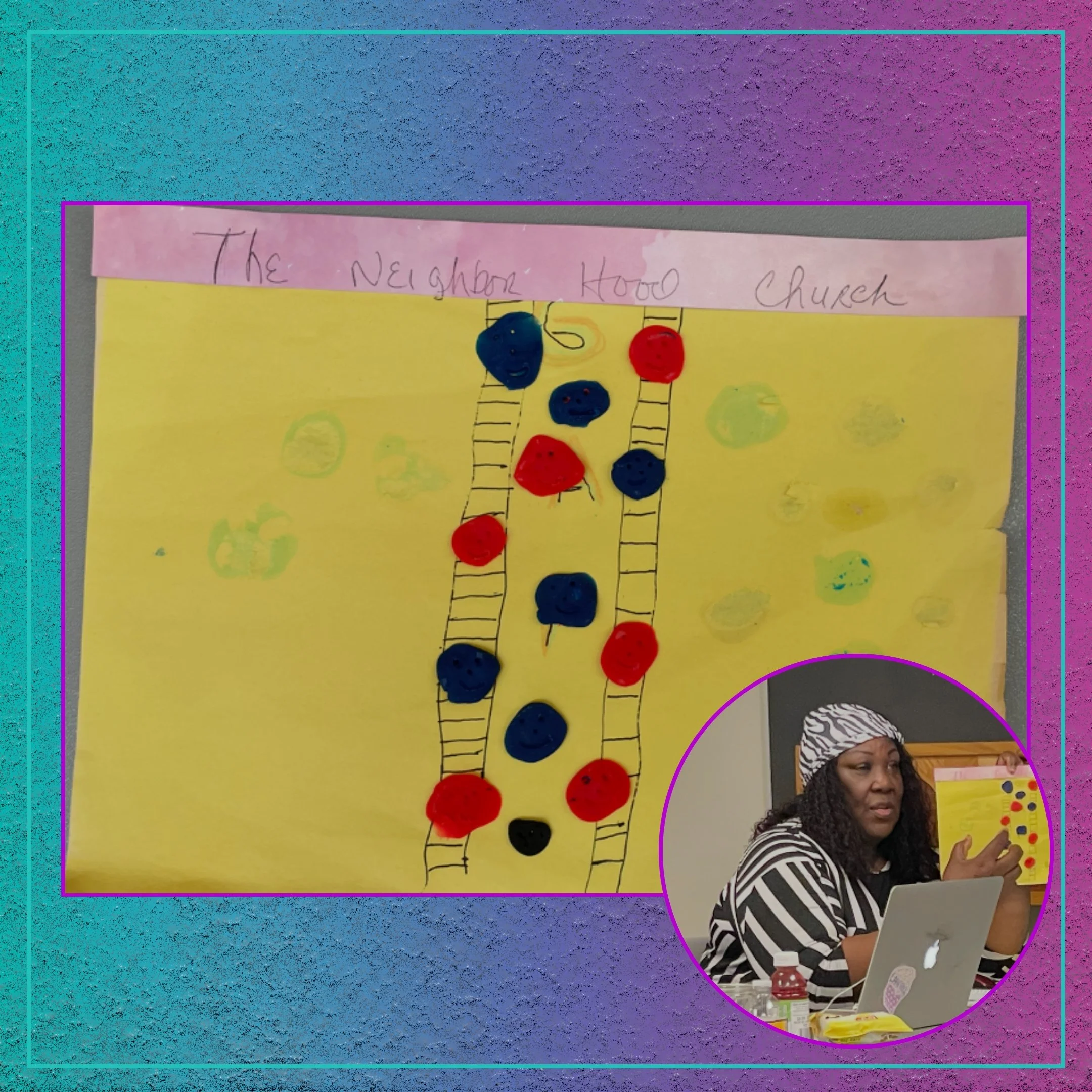
Irma Spencer — Church & Neighborhood, Together
Irma’s project confronts the legacy of redlining by prototyping ways a congregation can “meet in the gap” with its surrounding community—sharing space, resources, and decision-making to repair trust and expand opportunity.
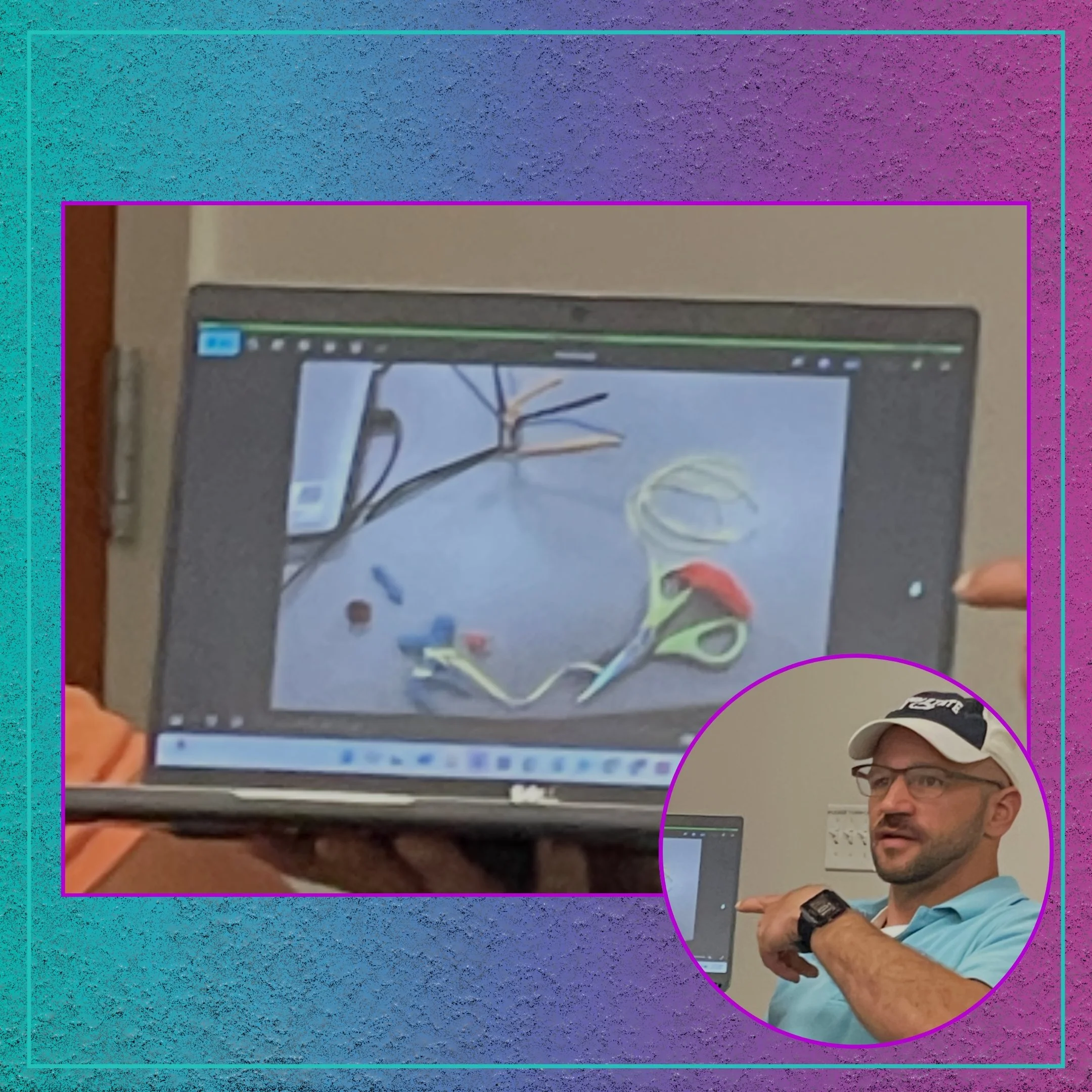
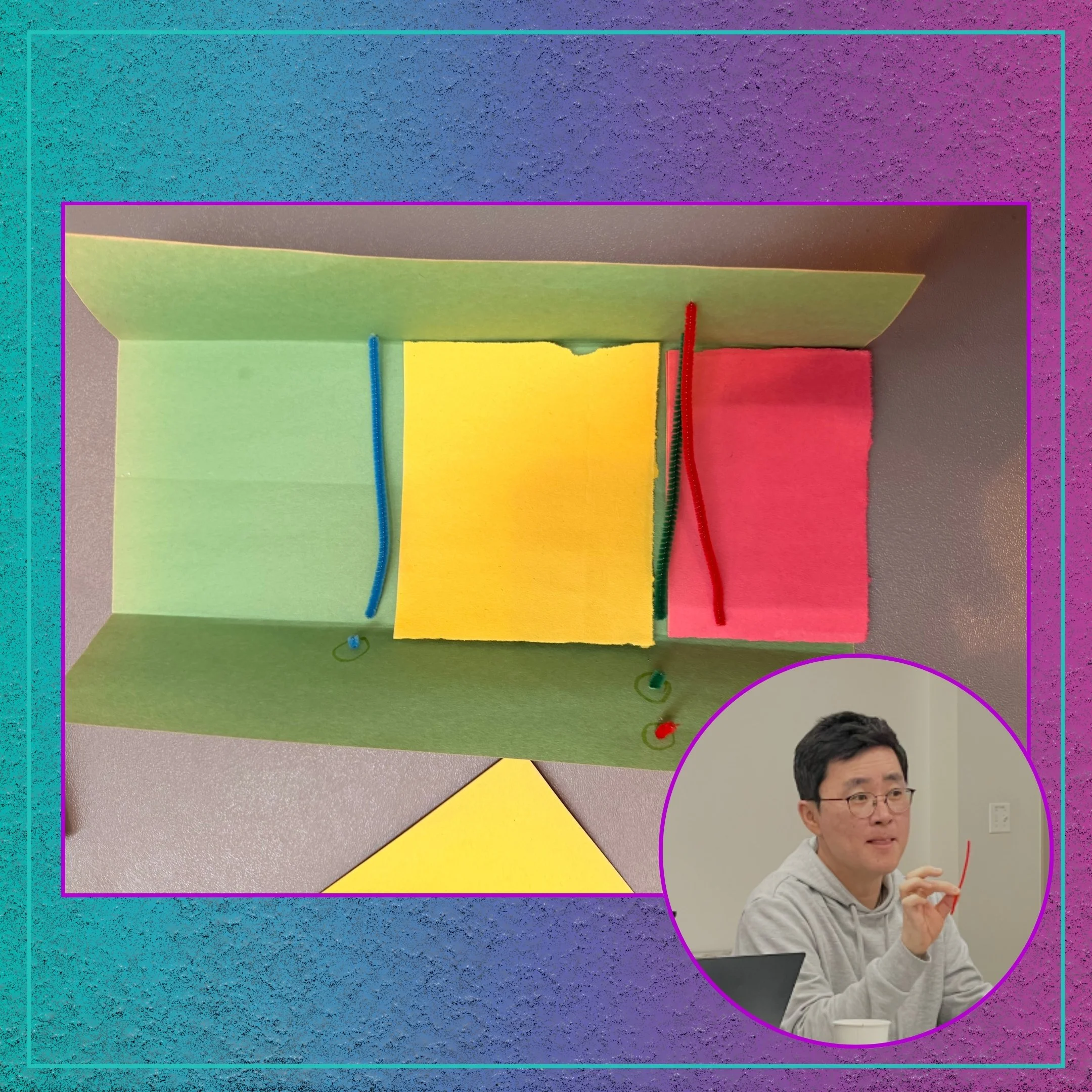
Jacob Kave — Connecting to Care
Jacob designed pathways that remove barriers to mental health care for military personnel, translating pastoral concern into a practical system that shortens the distance from asking for help to receiving it.
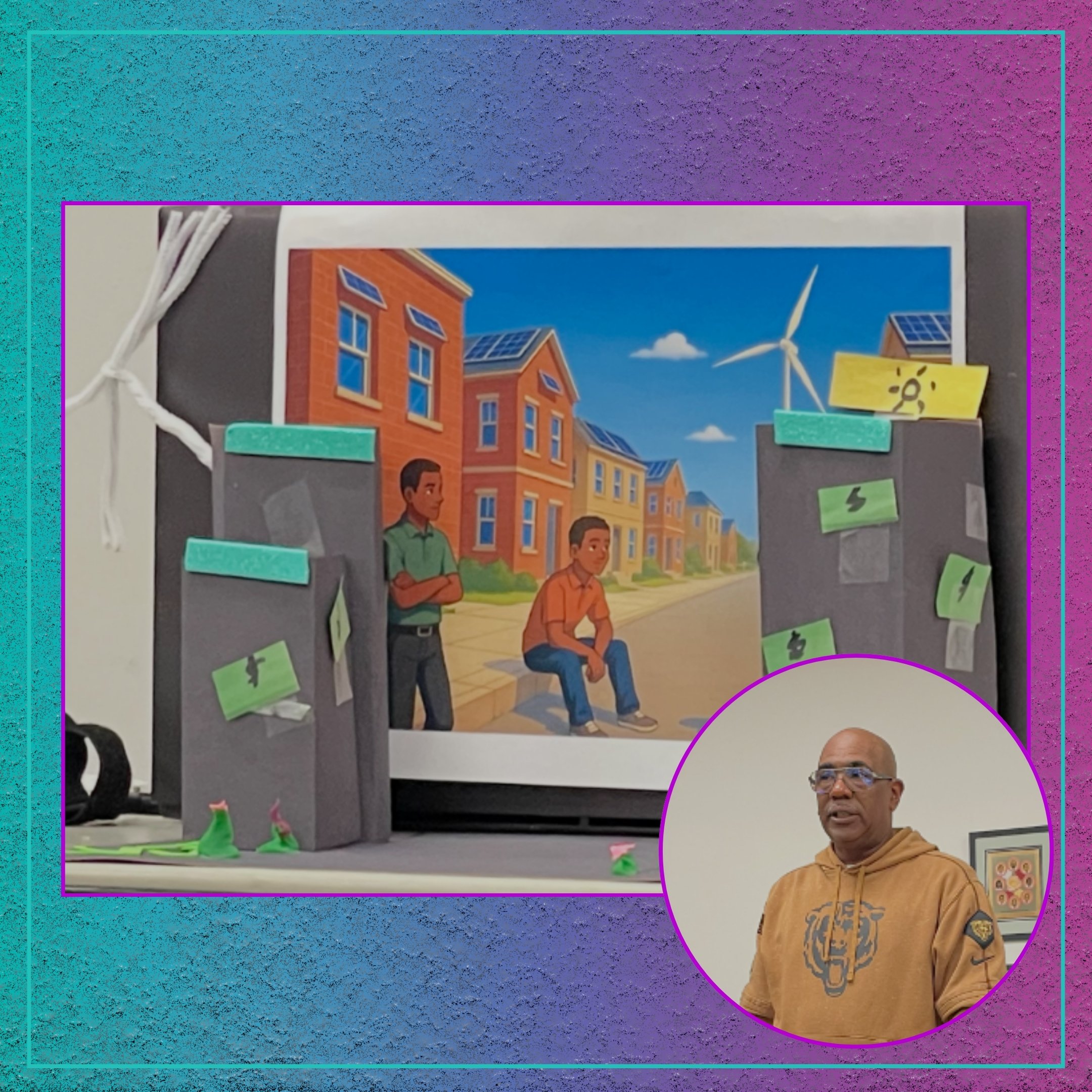
Robert Toney — Reclaiming Creation Victory
Robert’s artifact pairs clean-energy solutions with workforce retooling in a marginalized neighborhood—demonstrating how co-creating with God can transform places marked by deterioration into sites of light, hope, and purpose sustained by local talent.
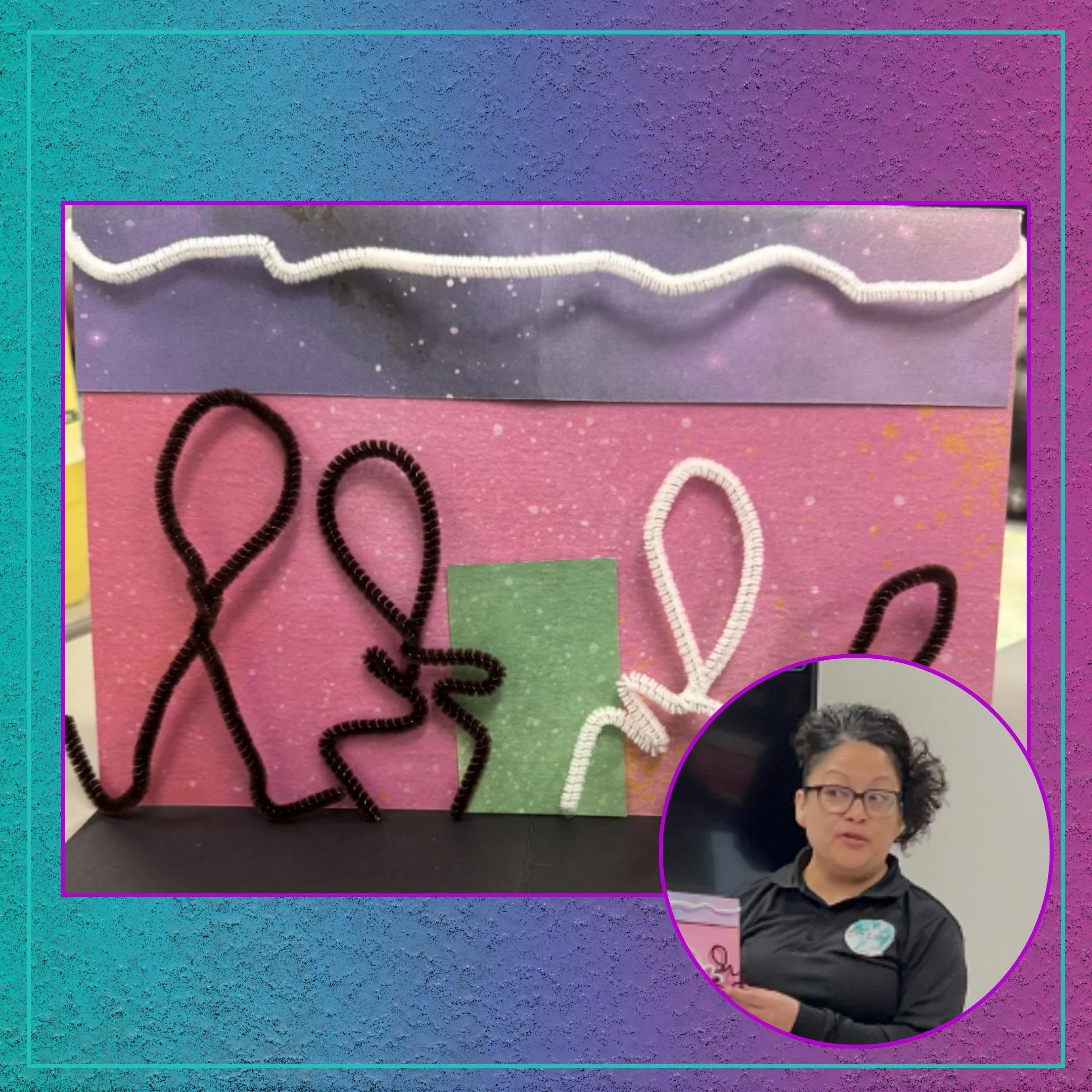
Rebeca De León — Justice Through Re-Design
Responding to congregational fear of ICE detention, Rebeca reframed ministry systems to be inclusive, transparent, and empowering—a design shift that replaces fear with confidence and restores agency.
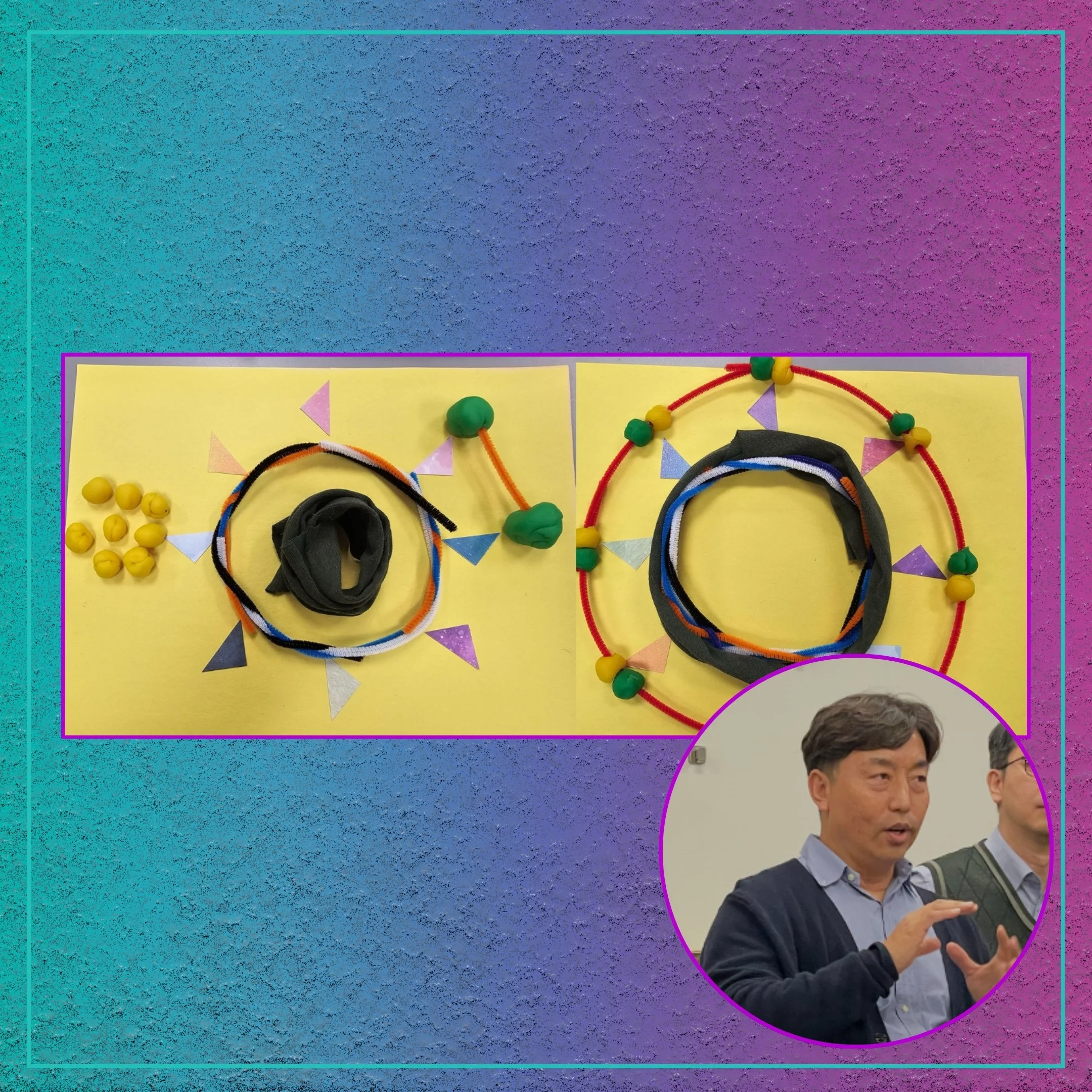
Sinhyun Kim — Remembering Scars, Repairing Communication
Sinhyun’s work names broken communication, blurred boundaries, and the remembrance of scars, inviting congregations to design pastoral processes that honor wounds while rebuilding healthy relational patterns.
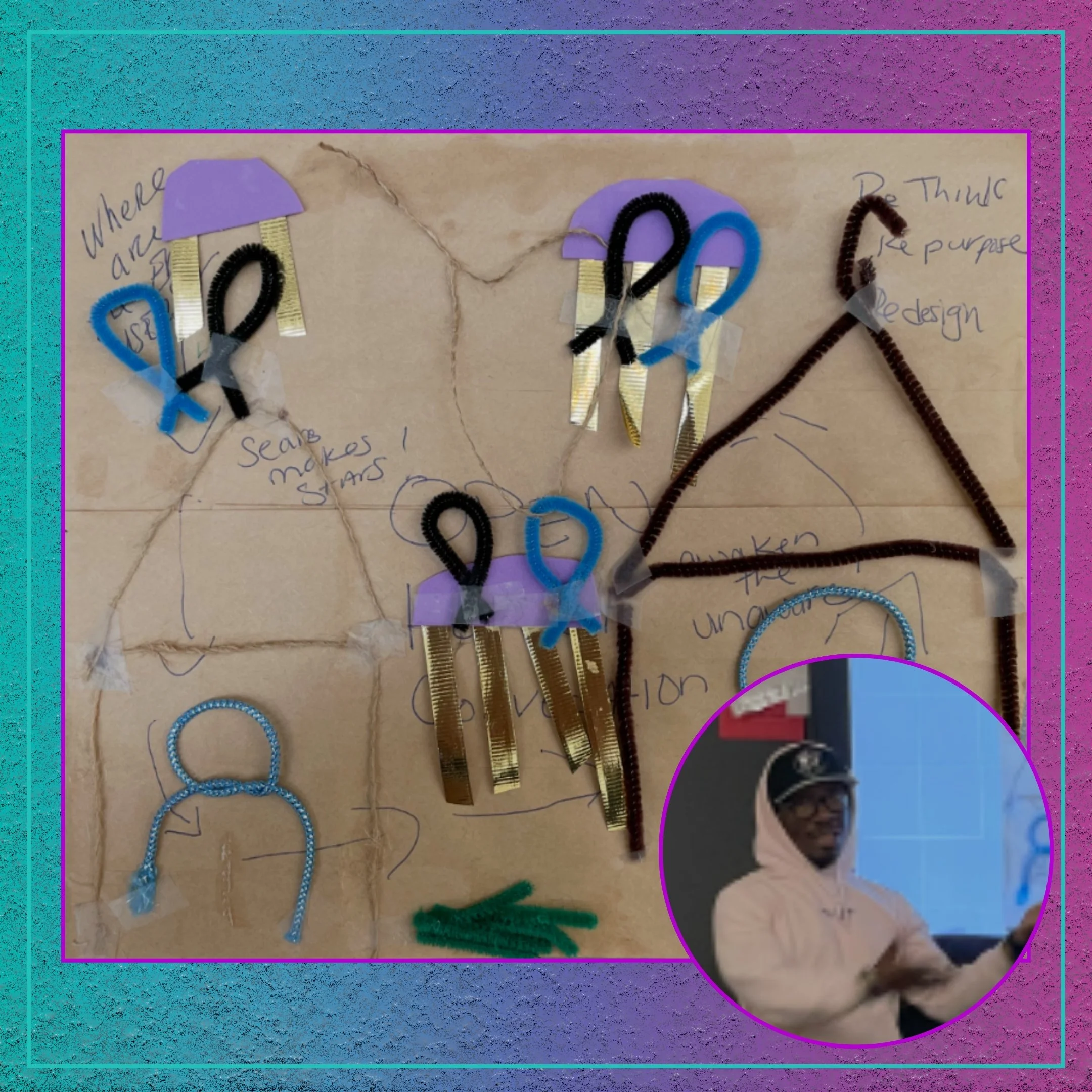
Lawrence Marshall — Co-Governance in the AME Tradition
Lawrence surfaces a model of co-governance rooted in AME polity—animating “with God all things are possible” (Matt. 19:26) as a practical blueprint for shared leadership and congregational accountability.
Contributions from students Jae Wang No, Jesse Thompson, Youn Bae Kim, Rosemary Norris, Angela Bamford, and Lynette Dupree were also highlighted in the showcase.

MINISTRY PREPARATION, NOT JUST A CLASS
Justice Designs operates like a ministry studio, not a silo—students iterate with stakeholders, test prototypes, and learn from feedback, building the adaptive leadership pastors need in real settings. Along the way, they bring systems thinking into conversation with pastoral care: whether confronting immigration fear, expanding mental-health access, or catalyzing neighborhood reinvestment, they integrate theology with policy, process, and power to design ministries that are both merciful and measurable. The result is vocational imagination put into practice—artifacts that translate conviction into repeatable structures like governance models, referral pathways, and partnership frameworks—so graduates step into active, engaged ministries ready to lead on day one.
JOIN THE WORK
This showcase is one more way McCormick’s DMin prepares leaders to diagnose, design, and deliver ministry that heals and liberates. If you’re discerning a call to ministry that changes systems and hearts, we’d love to talk.