Sacred Memory as Communal Imaginaries
JANUARY 28, 2026
Launching a Year of Remembering, Re-imagining, and Repair
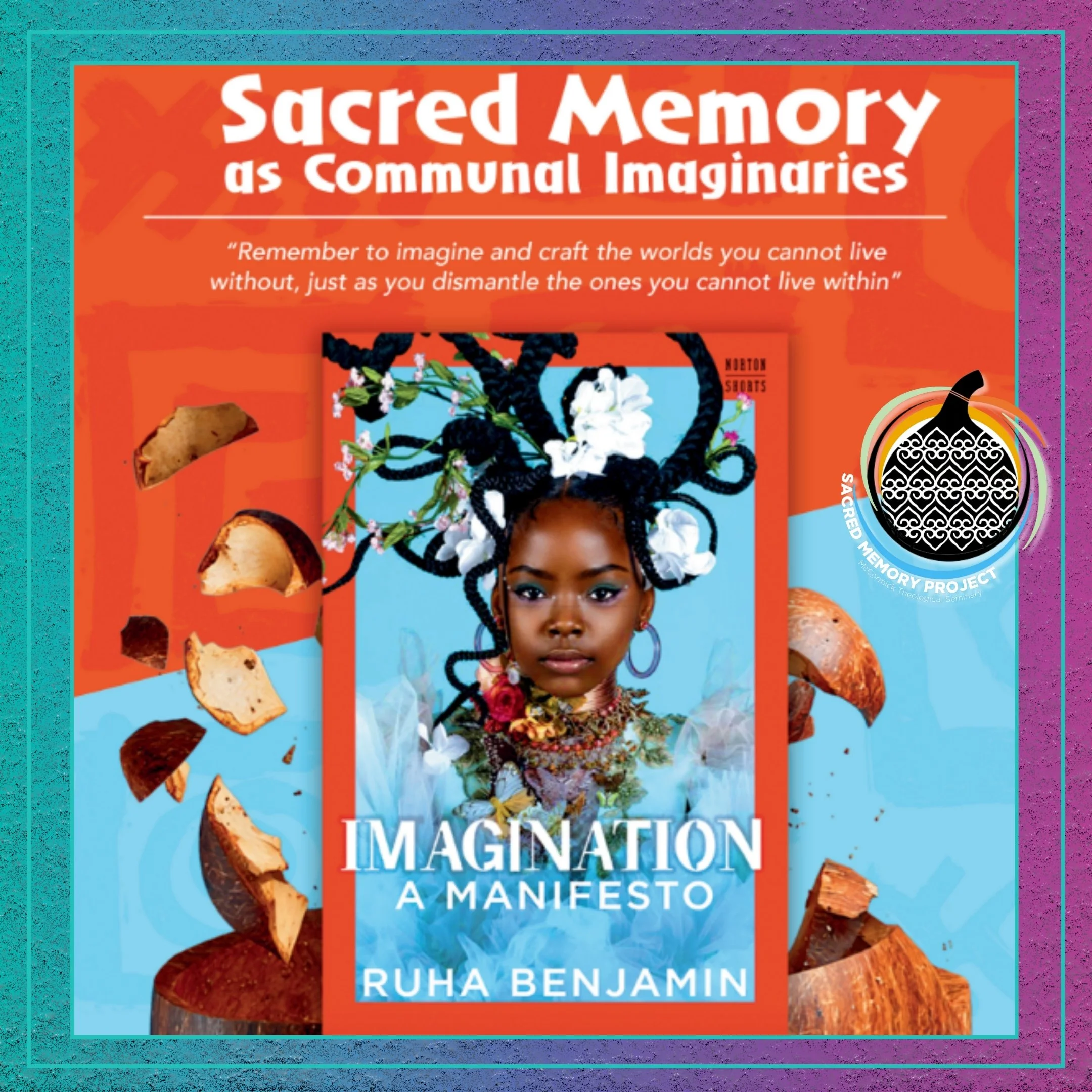
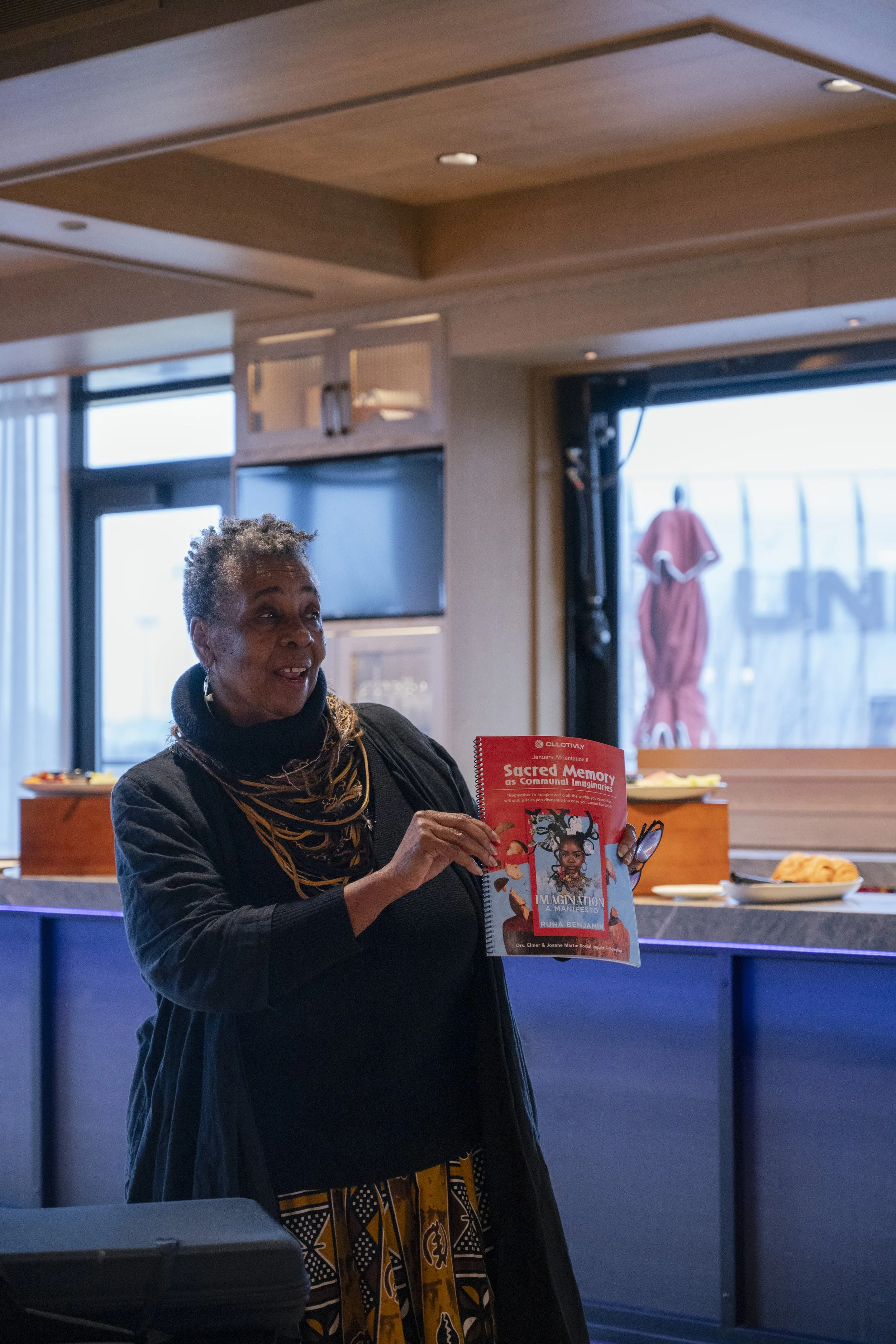
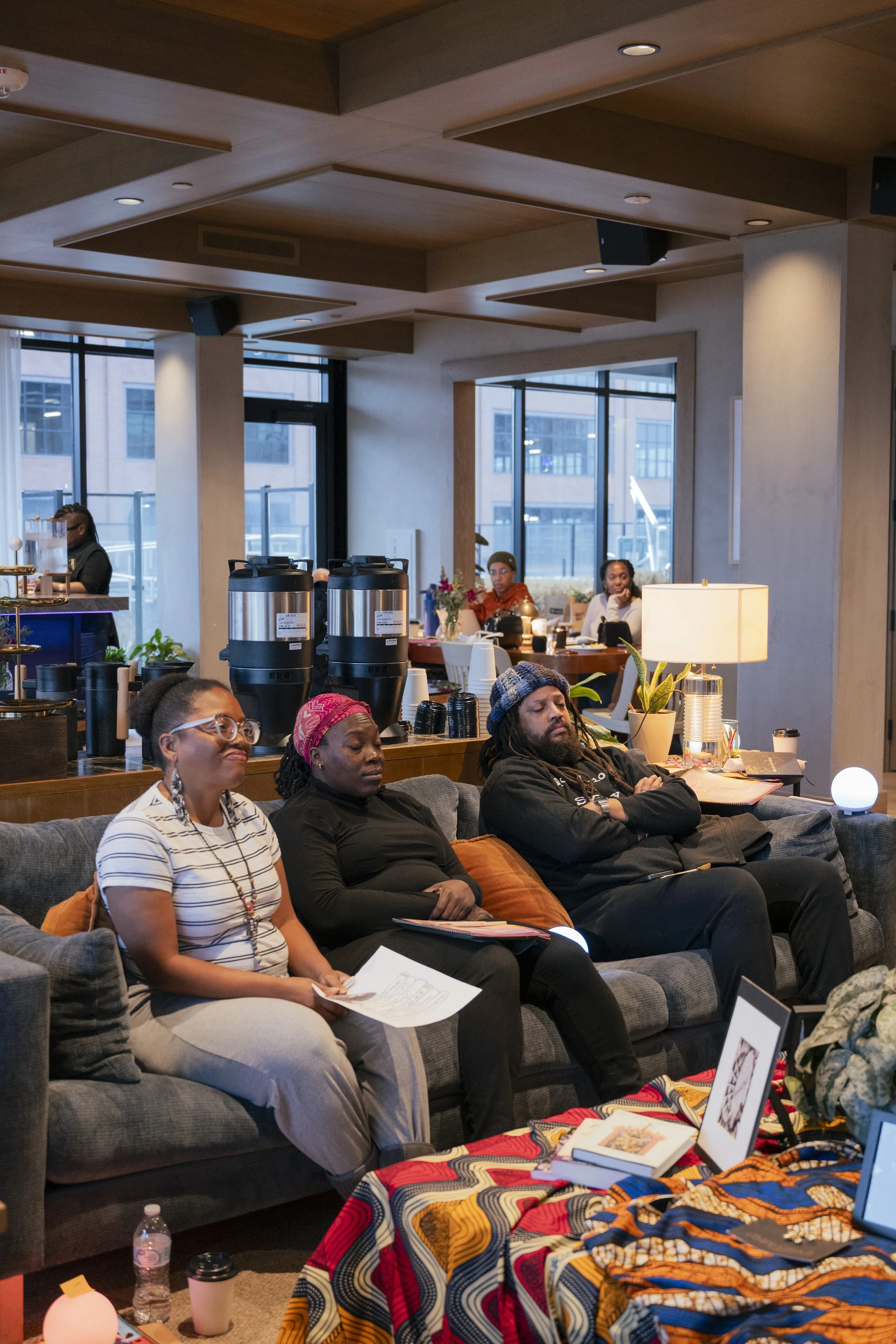
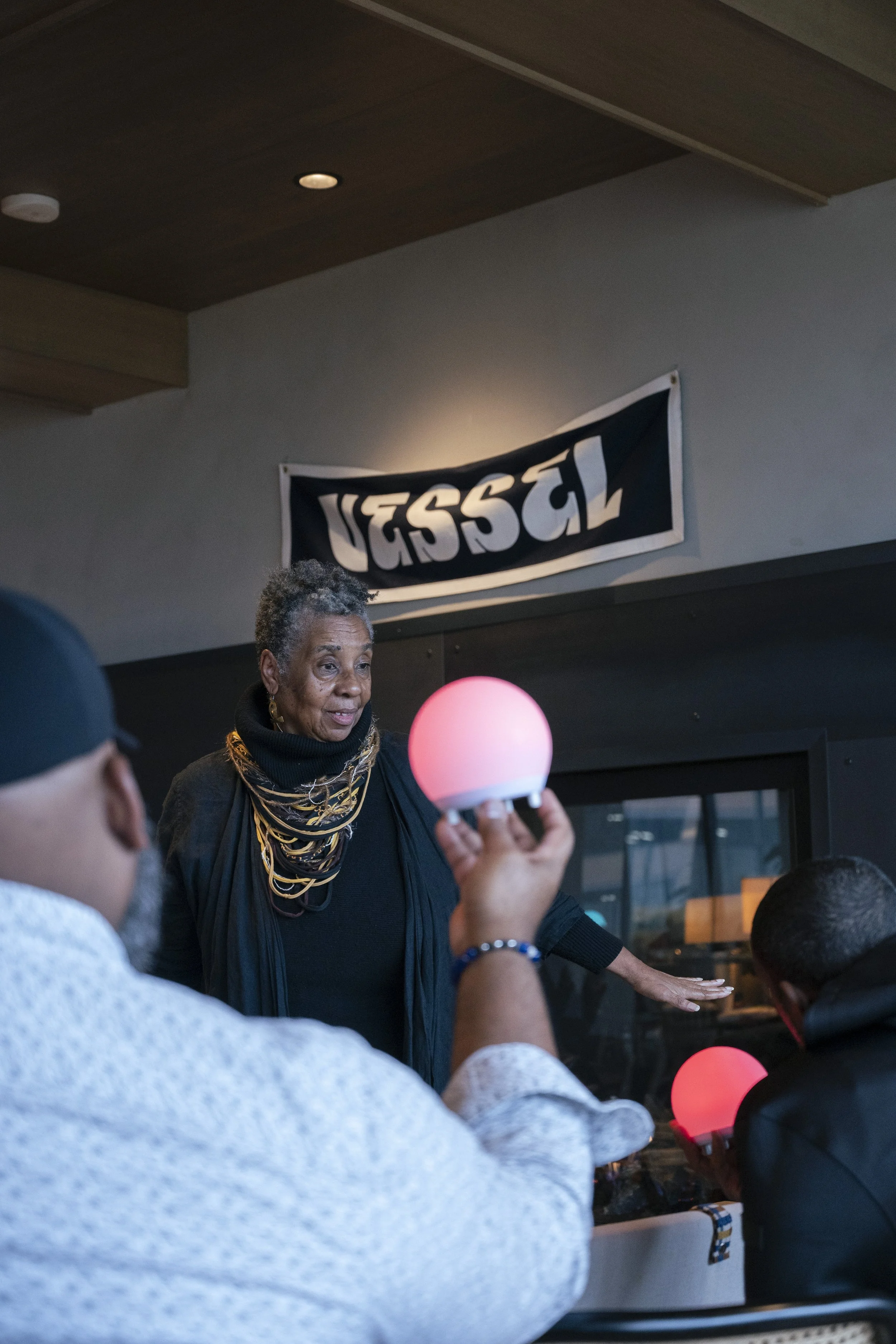
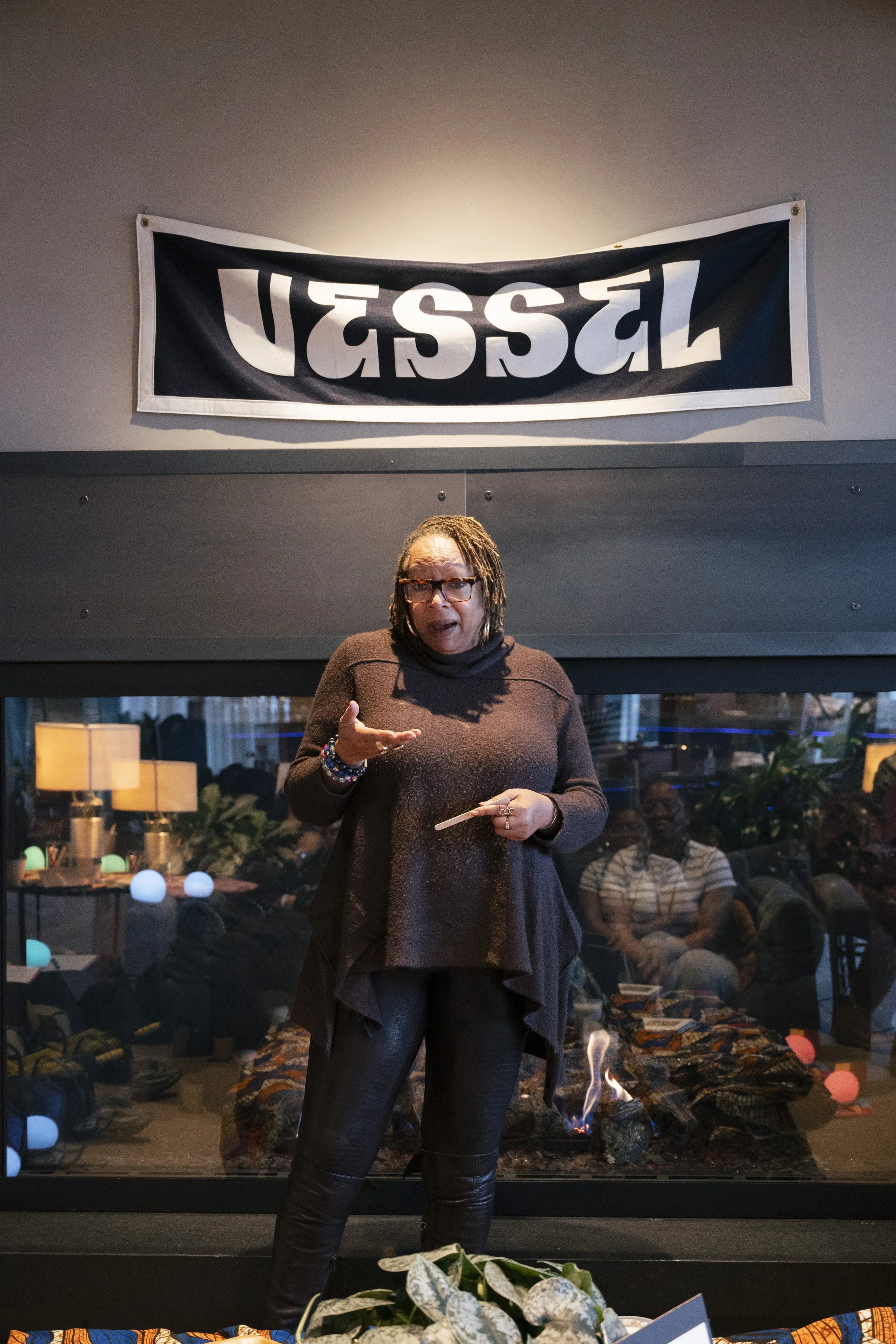
As the new year begins, McCormick’s Sacred Memory Project (SMP) is moving with a clear conviction: memory isn’t nostalgia — it’s a public resource for liberation. And we’re not doing it alone. Our winter kickoff, “Sacred Memory as Communal Imaginaries,” was co-shaped with our partners at CLLCTIVLY, whose frameworks and fellowship tools anchor this season’s approach to remembering courageously, imagining collectively, and designing practices that heal communities.
PARTNERSHIP AT THE CENTER
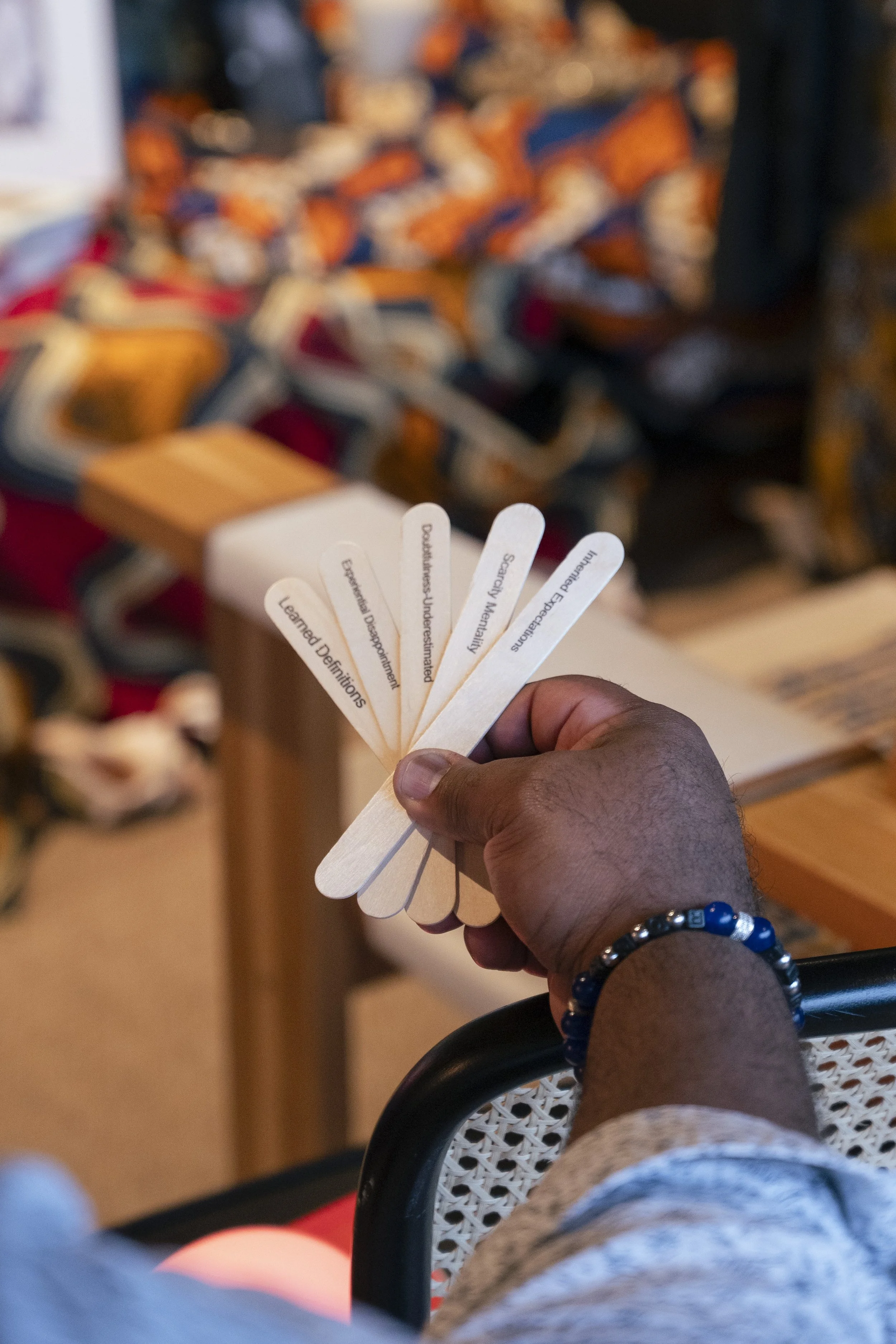
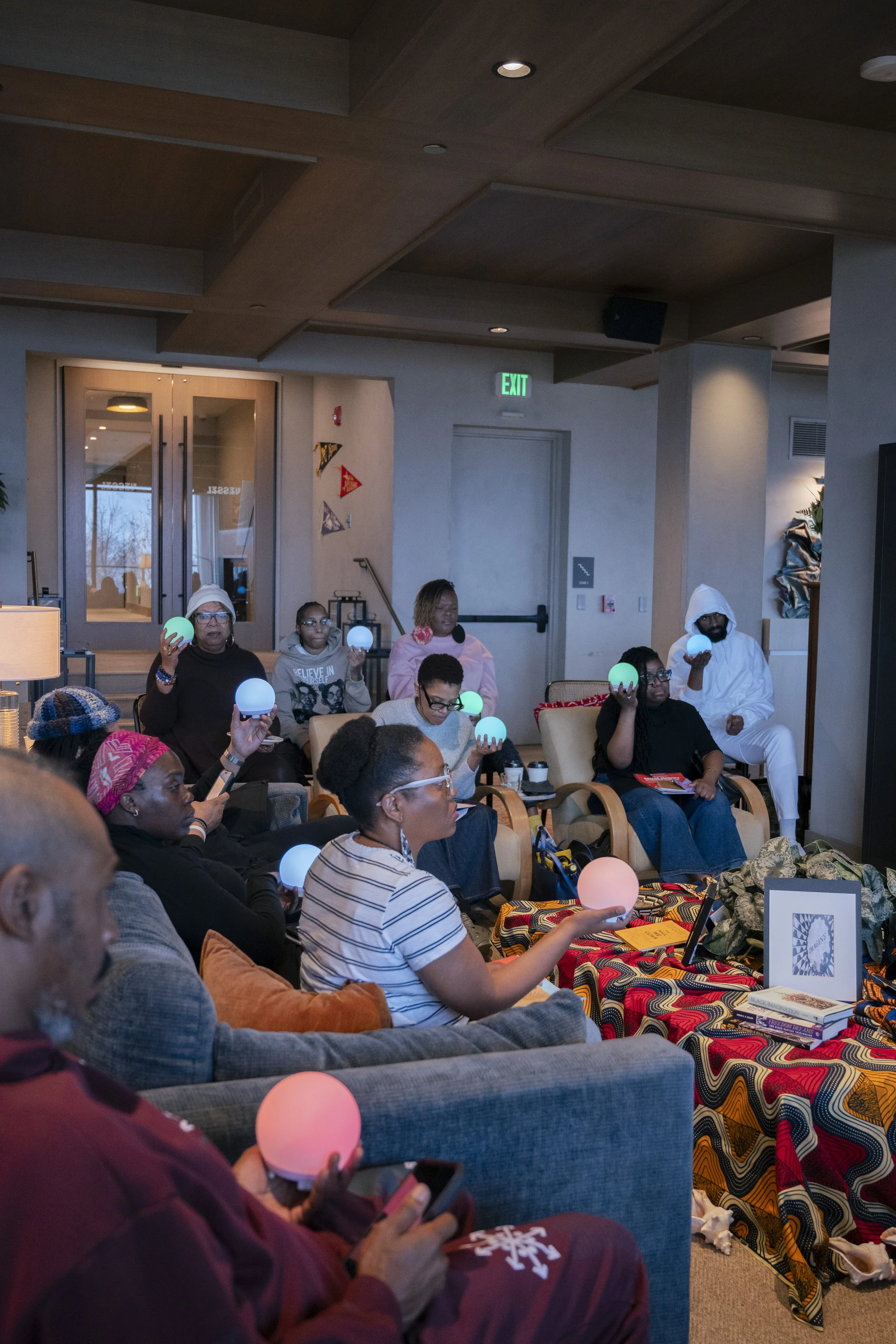
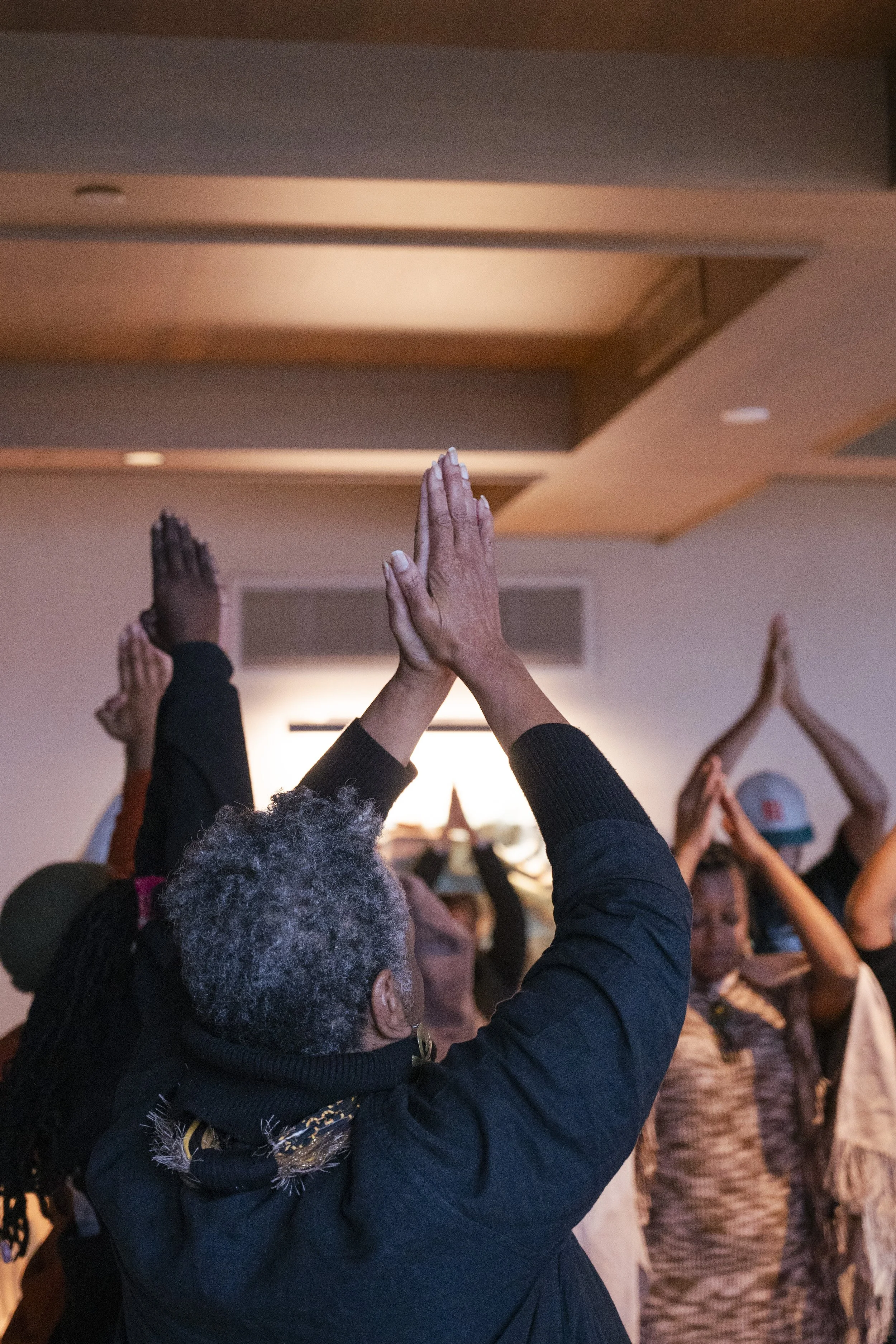
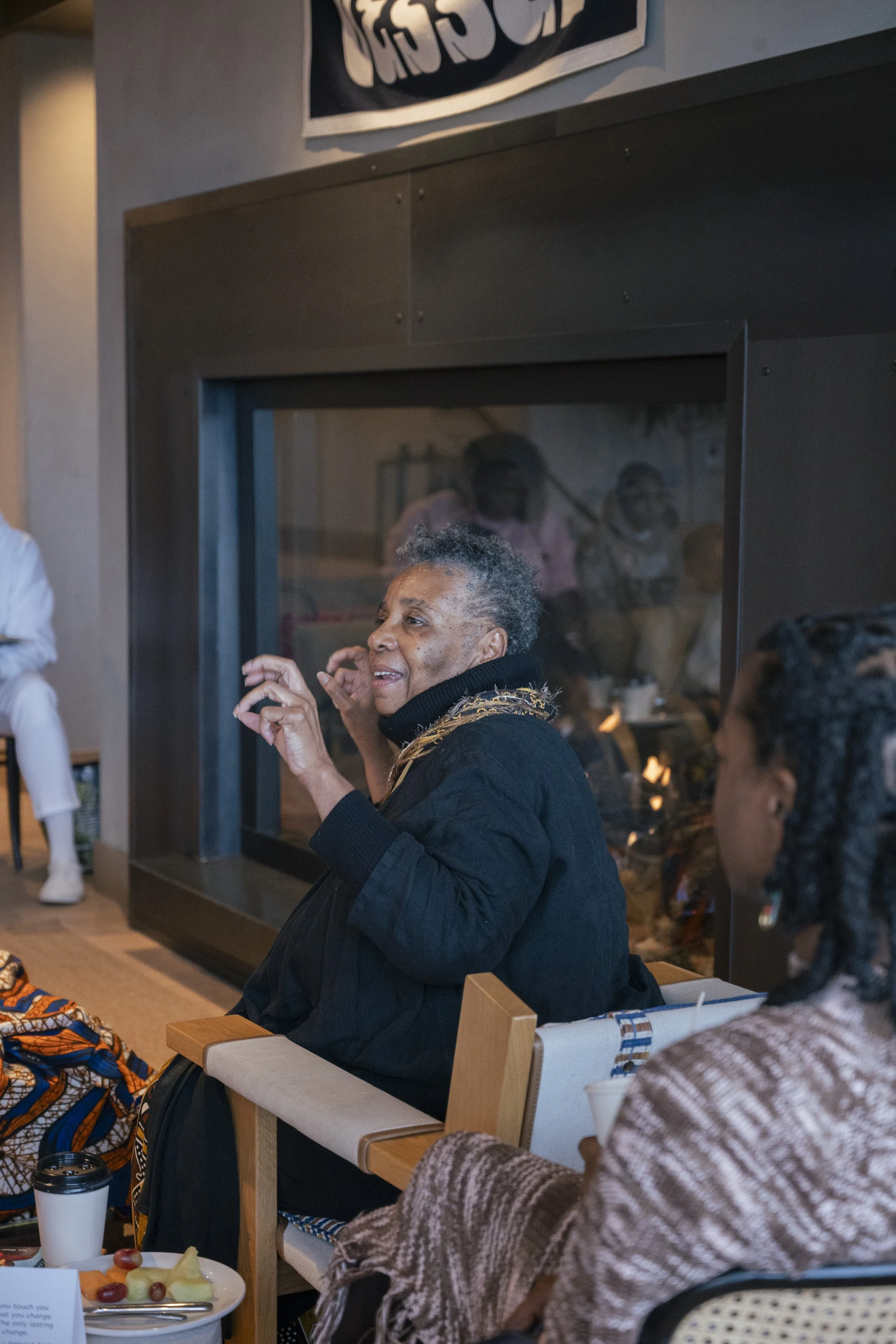
Drawing on CLLCTIVLY’s Drs. Elmer & Joanne Martin Social Impact Fellowship materials — we worked in a learning-by-design mode that prioritizes experimentation, reflection, and communal wisdom over information transfer. Together we practiced “seeing” with multiple lenses (face-value sight, comparative sight, insight into the unseen, and unified sight), an ancestral way of knowing that helps congregations organize for repair and flourishing.
This is not a one-off citation; it’s a working partnership shaping how SMP forms leaders and communities this year.
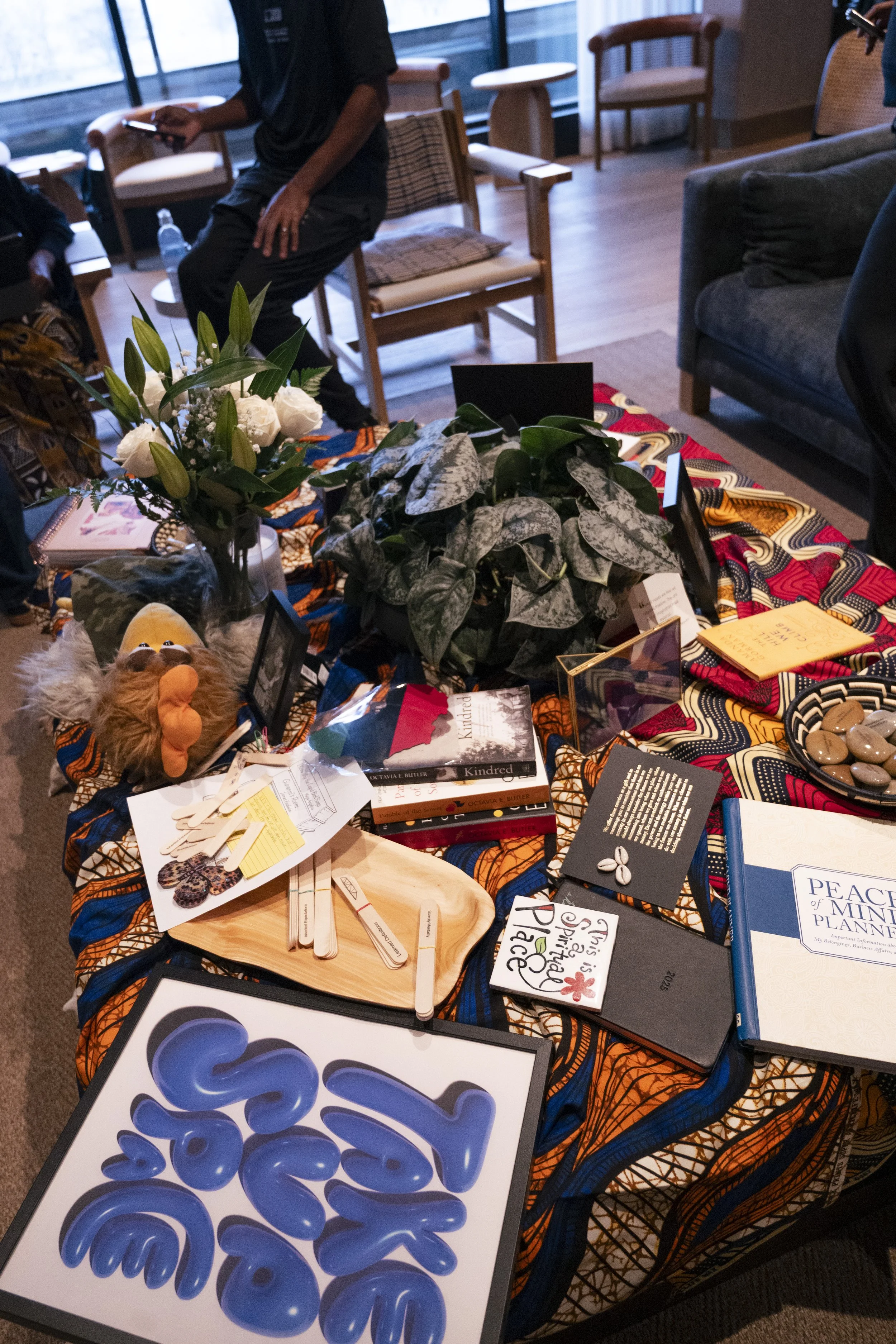
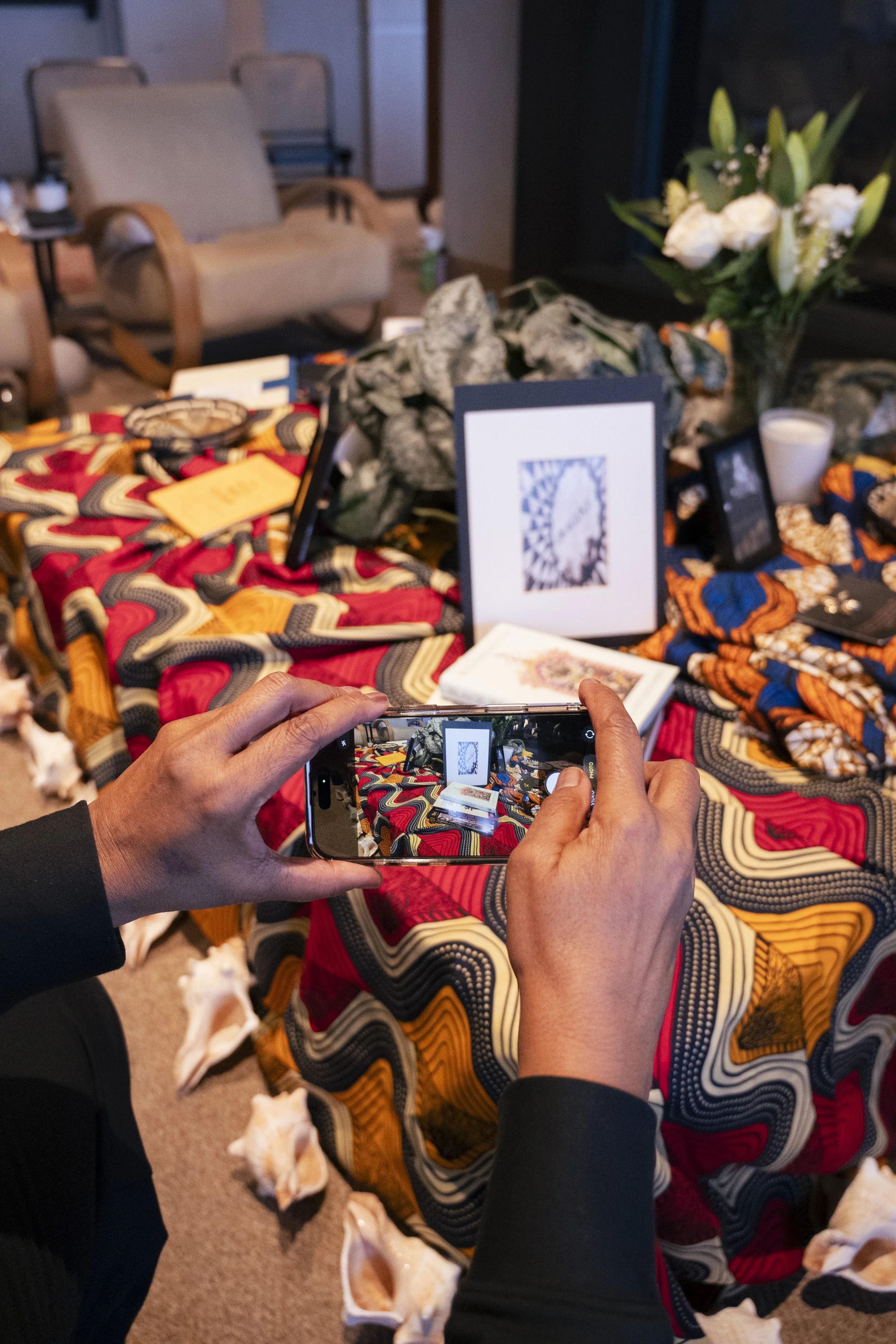
Inspired by readings including Ruha Benjamin’s Imagination: A Manifesto, the convening treated imagination as a collective discipline, not escapism, but strategy. Our guiding questions — What stories set our limits? What futures are we already rehearsing? — were held in a shared Sacred Memory Project/CLLCTIVLY container so that insights move quickly from conversation to congregational practice.
PRACTICES WE CO-FACILITATED
Zaya Discourse (Memory → Imagination): A guided process pairing communal memory work with liberatory imagining for ministry planning, formation, and care.
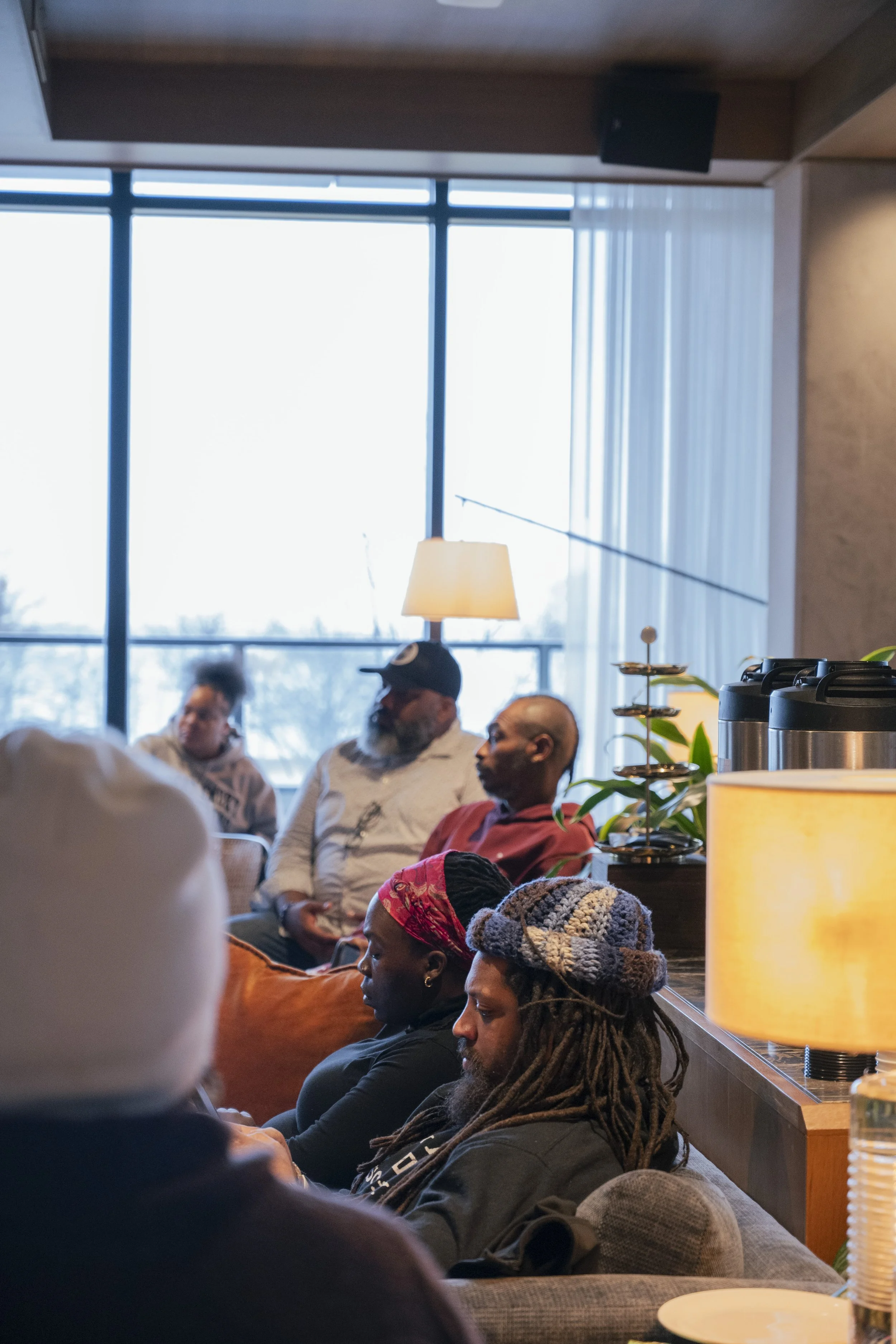
Ujima Labs: Small groups named the “spheres we are holding” (youth formation, food security, etc.) and co-designed simple, repeatable practices congregations can start now.
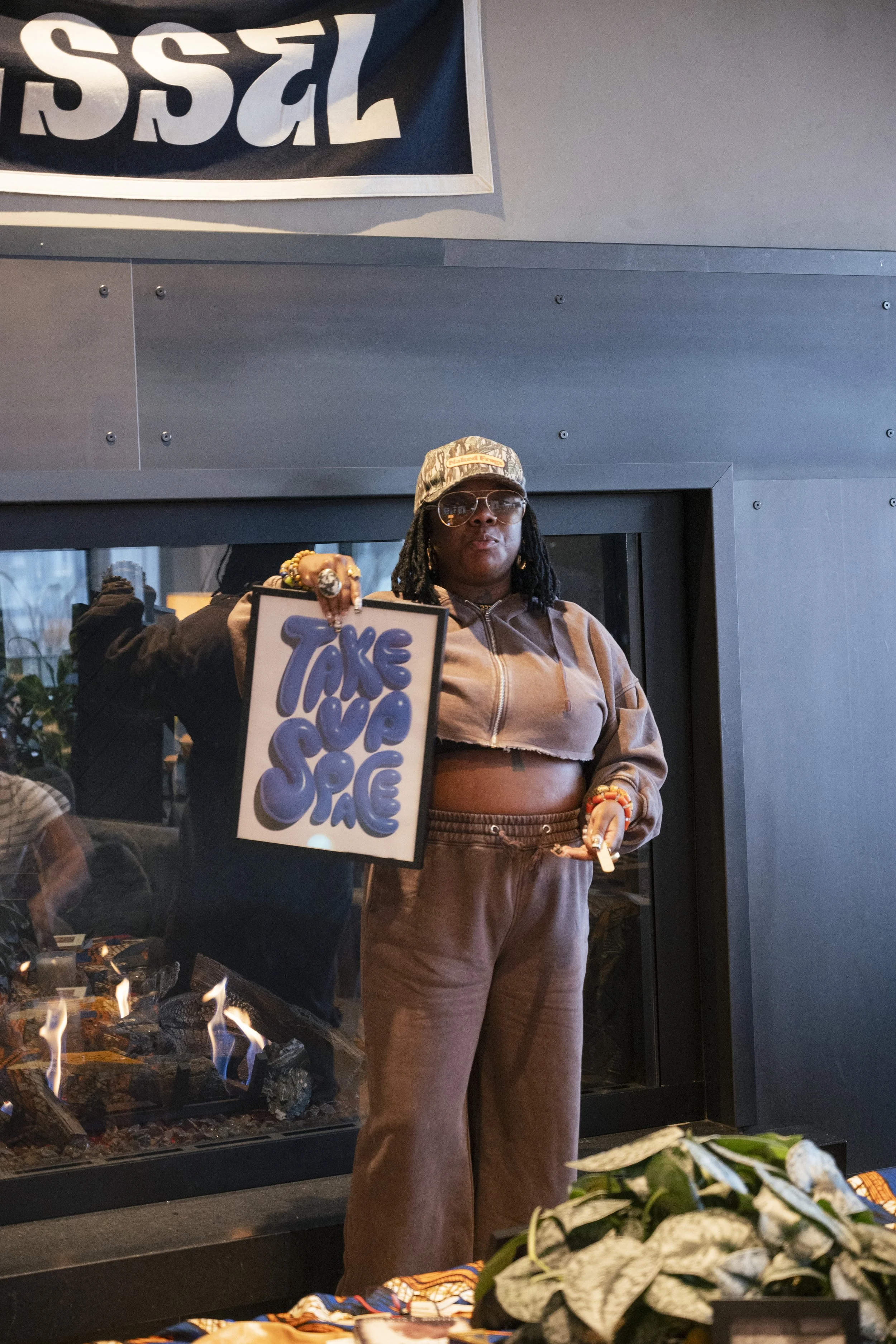
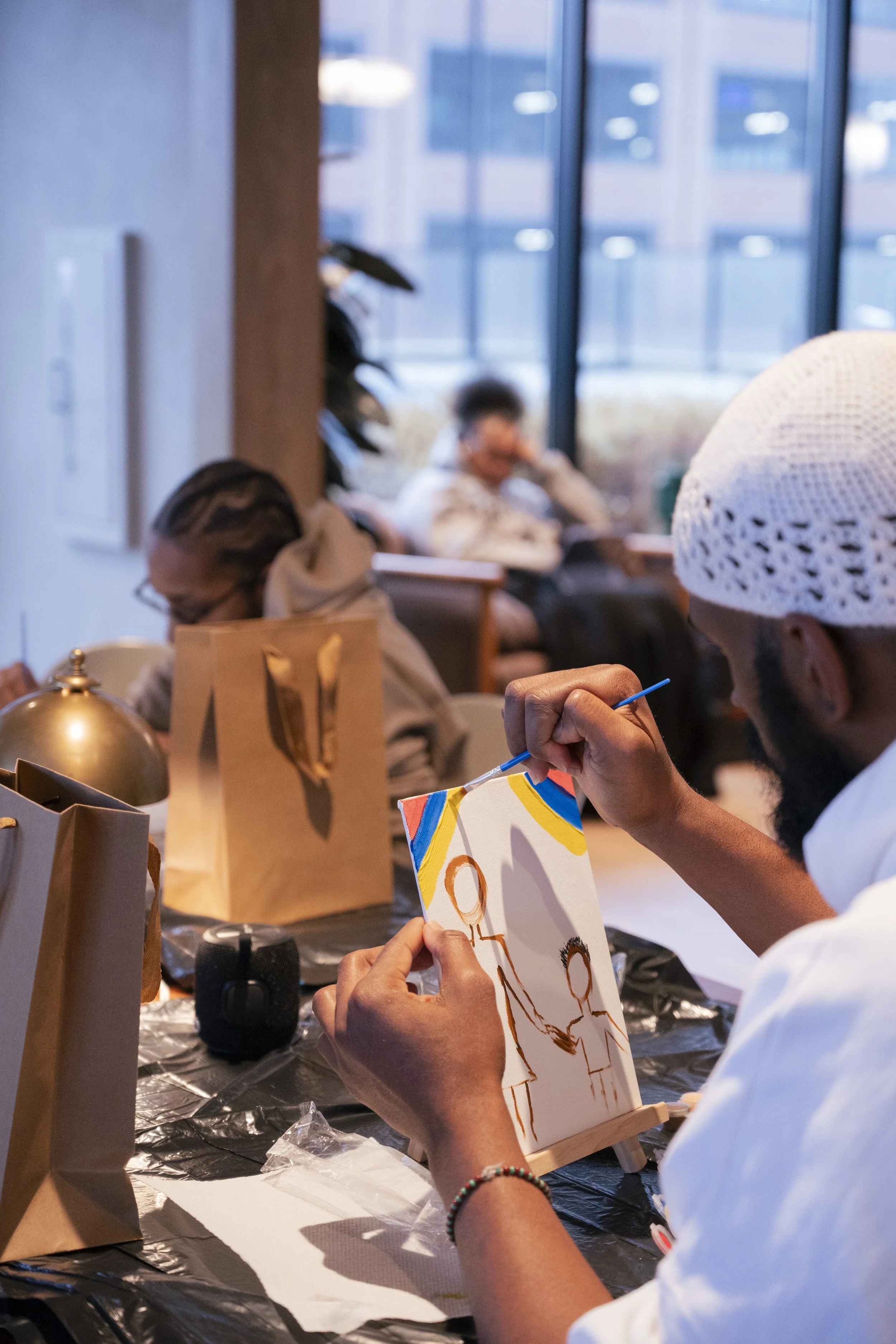
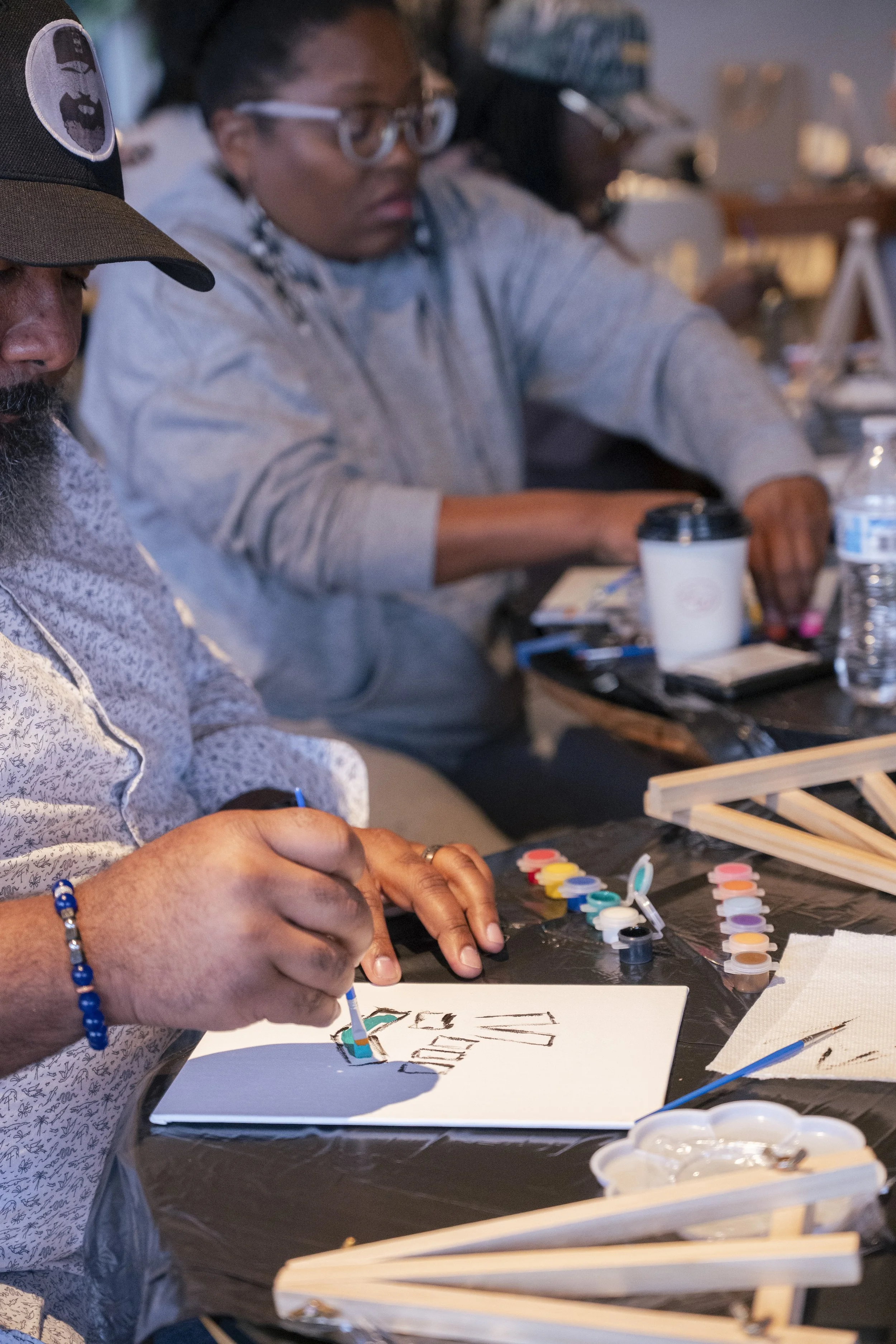
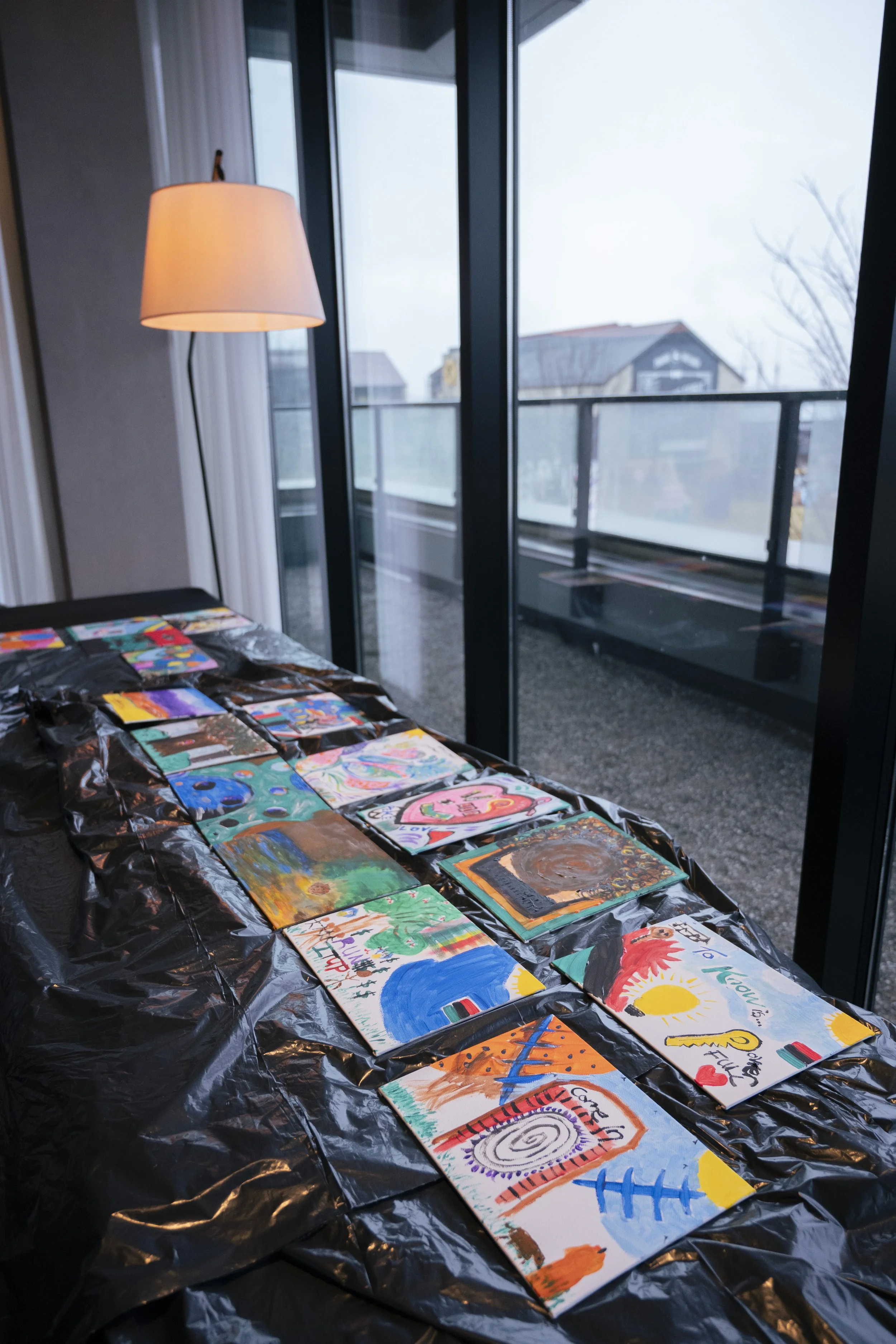
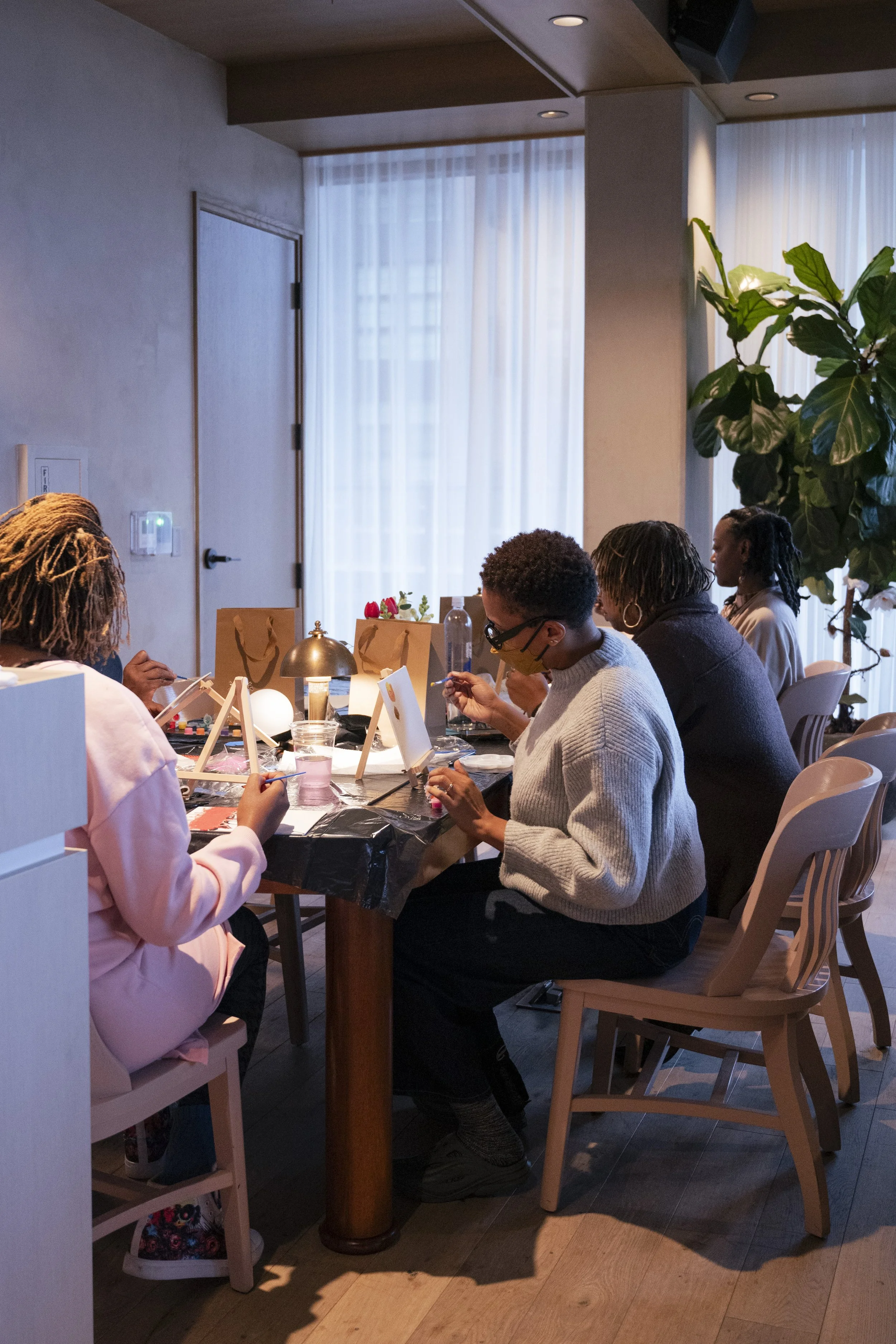
Arts-Based Communal Imaginaries: With community artists, teams rendered their futures on canvas, showing how visual theology gathers people across difference and accelerates shared action.
ANCESTRAL ANCHORS, SHARED WORK
We revisited Hush Harbors, Clearings, Bwa Kayiman, Kilombos, and the rise of AME and other Black church institutions … not only as history, but as blueprints for today’s organizing. The Sacred Memory Project and CLLCTIVLY will continue translating these anchors into ministries of pastoral care, mutual aid, civic participation, and cultural joy across congregations.
WHY THIS PARTNERSHIP MATTERS NOW
Congregations are navigating gentrification, disinvestment, grief, and change. By weaving SMP’s theological formation with CLLCTIVLY’s community-anchored tools, leaders gain:
Processes that surface buried wisdom in pews and on the block
Prototyping methods that make ministries merciful and measurable
Connections across a living network of Black civic and faith organizations
WHAT’S NEXT
Expect joint reading circles, design studios, and public teach-ins that apply these tools to preaching, pastoral care, youth work, health equity, and cultural celebration — plus practical resources (Zaya Discourse journals, scaffolding guides, liturgical kits) and spotlights on congregations turning communal imaginaries into weekly practice.
Join us. Bring your story, your questions, your hope. Follow upcoming dates and information on our Sacred Memory home page as we continue this shared work — remembering what carried us, and building the futures our communities deserve.