

What Black History Means to Me
FEBRUARY 27, 2026
A Pastoral Reflection: Pastor Valorie Tatume ‘24
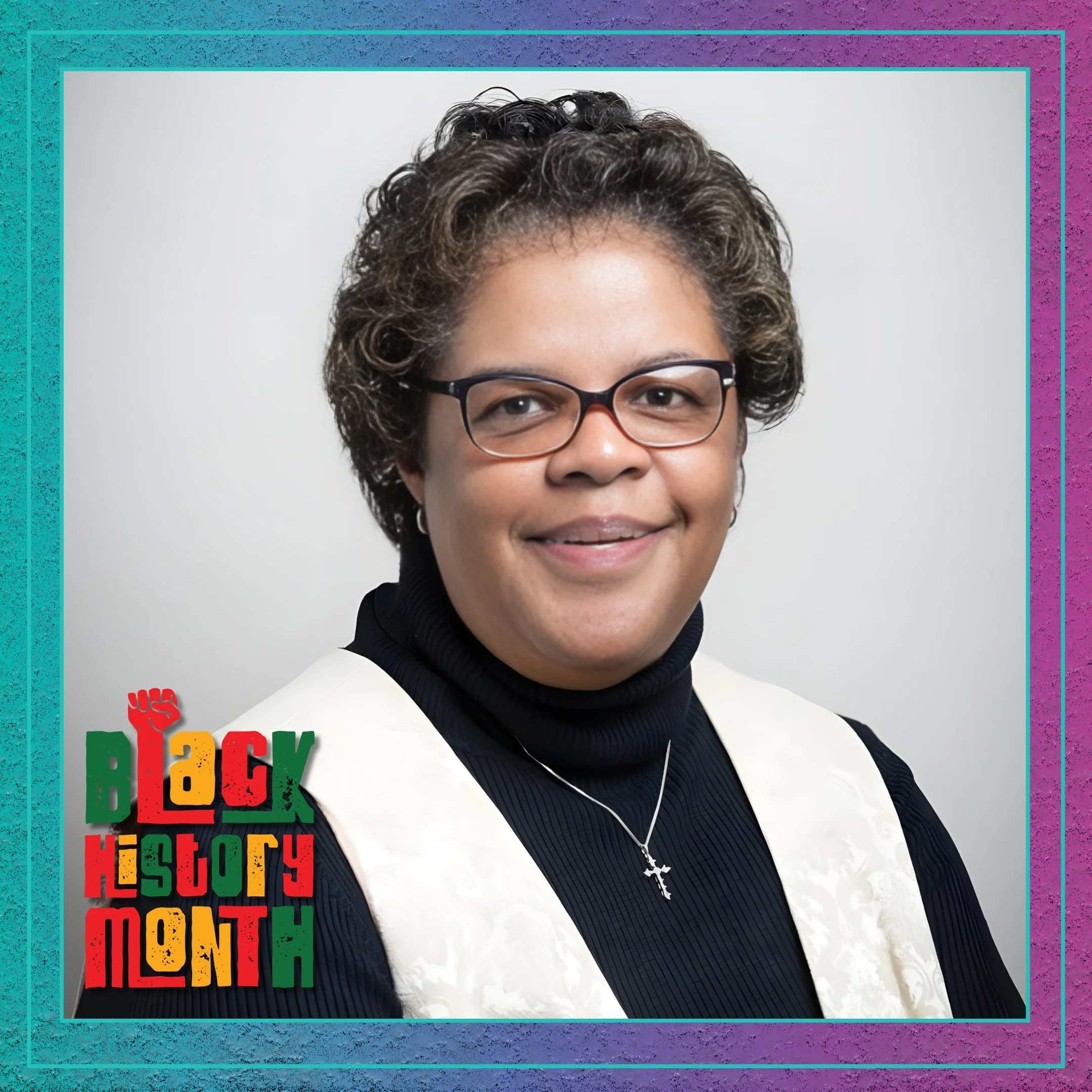
When asked the question, What does Black History mean to me? my answer reaches far beyond pride in my cultural heritage or an appreciation of the diversity within my family. It goes beyond childhood essays written during Black History Month and beyond brief definitions found online or in old reference books. Black History is not simply a season of remembrance, nor is it limited to celebration alone.
For me, Black History is a sacred story—one that calls us to reflection, responsibility, and faithful action. Black History is the lived testimony of a people who, despite enslavement, segregation, and systemic injustice, have endured with faith, creativity, and hope. Scripture reminds us that God is present in such stories. “The Lord is near to the brokenhearted and saves the crushed in spirit” (Psalm 34:18). Black History reveals how God has remained near, even when justice felt far away.
A CALL TO FAITH, JUSTICE, AND REFORMATION
Black History, to me, is a time of reformation for both women and men. It invites us to listen to voices that have too often been silenced and to honor narratives that reflect perseverance and purpose. It is a call to vocational faithfulness—encouraging advocacy for equity, access, and dignity in our communities, schools, churches, and civic spaces.
Theologically, Black History challenges us to bring what is often invisible into the light. It urges honest conversations about ongoing inequities and the ways systems of oppression continue to shape lives. The Bible consistently calls God’s people to such honesty: “What does the Lord require of you but to do justice, love mercy, and walk humbly with your God?” (Micah 6:8). Black History also confronts theologians, educators, and historians with difficult truths — systemic trauma, erased contributions, and overlooked scholarship. These realities remind us that remembering is not passive; it is a moral act.
LEARNING FROM DR. MARTIN LUTHER KING, JR.
Dr. Martin Luther King Jr. stands as one of the most visible witnesses to the faith-driven pursuit of justice. His leadership was rooted deeply in Christian theology, particularly the belief that every person is created in the image of God (Genesis 1:27). King’s vision of justice, love, and nonviolence continues to challenge us to see faith not as private belief, but as public responsibility.
King’s words echo the biblical prophets who spoke truth to power and called nations to repentance. His reminder that injustice anywhere threatens justice everywhere remains painfully relevant as African Americans today continue to face racial inequities in education, healthcare, housing, and the criminal justice system. Black History teaches us that the work of justice is ongoing and requires courage, faith, and community.
BEING AFRICAN AMERICAN IN THE UNITED STATES TODAY
To be African American in the United States today is to live with both progress and persistent struggle. While legal advances have been made, disparities remain deeply rooted. Yet Black communities continue to contribute profoundly to education, culture, theology, science, and leadership.
Black History helps us understand this tension. It reminds us that resilience is not accidental — it is cultivated through faith, community, and hope. As Scripture declares: “We are afflicted in every way, but not crushed; perplexed, but not driven to despair” (2 Corinthians 4:8).
HONORING THE VOICES OF WOMEN AND MEN
A faithful reflection on Black History must honor both women and men. Black women have long served as leaders, teachers, theologians, and organizers—often without recognition — holding families, churches, and movements together with strength and wisdom. Black men, likewise, have carried the burden of navigating systems that too often devalue their lives while still offering leadership, creativity, and care.
Together, their stories reflect a communal theology rooted in shared struggle and shared hope. Scripture affirms this unity: “There is neither Jew nor Greek… for you are all one in Christ Jesus” (Galatians 3:28).
A LIVING FAITH AND ONGOING LEGACY
Within my Wesleyan heritage, Black History reflects the connection between personal faith and social holiness. True faith moves beyond belief into action—loving God and loving neighbor in tangible ways (Matthew 22:37–39). Black History reminds us that justice, inclusion, and compassion are not optional expressions of faith; they are essential.
Black History empowers Black children to know their worth and purpose. It teaches them that they are not footnotes in history, but beloved participants in God’s story. It also calls all of us to stand for economic and social justice and to confront inequities that persist in our nation. Ultimately, Black History is not confined to one month. It is a living witness — 365 days a year — calling us to remember, to teach, and to act. It is a story of faith, resilience, and hope that continues to shape our shared future.