

Latidos: Un Llamado a La Predicación Intergeneracional Transformadora
APRIL 22, 2026
por John-Michael Villareal, estudiante M.A.M. de McCormick y coeditor de The Herald
NOTE: English version of this post follows.
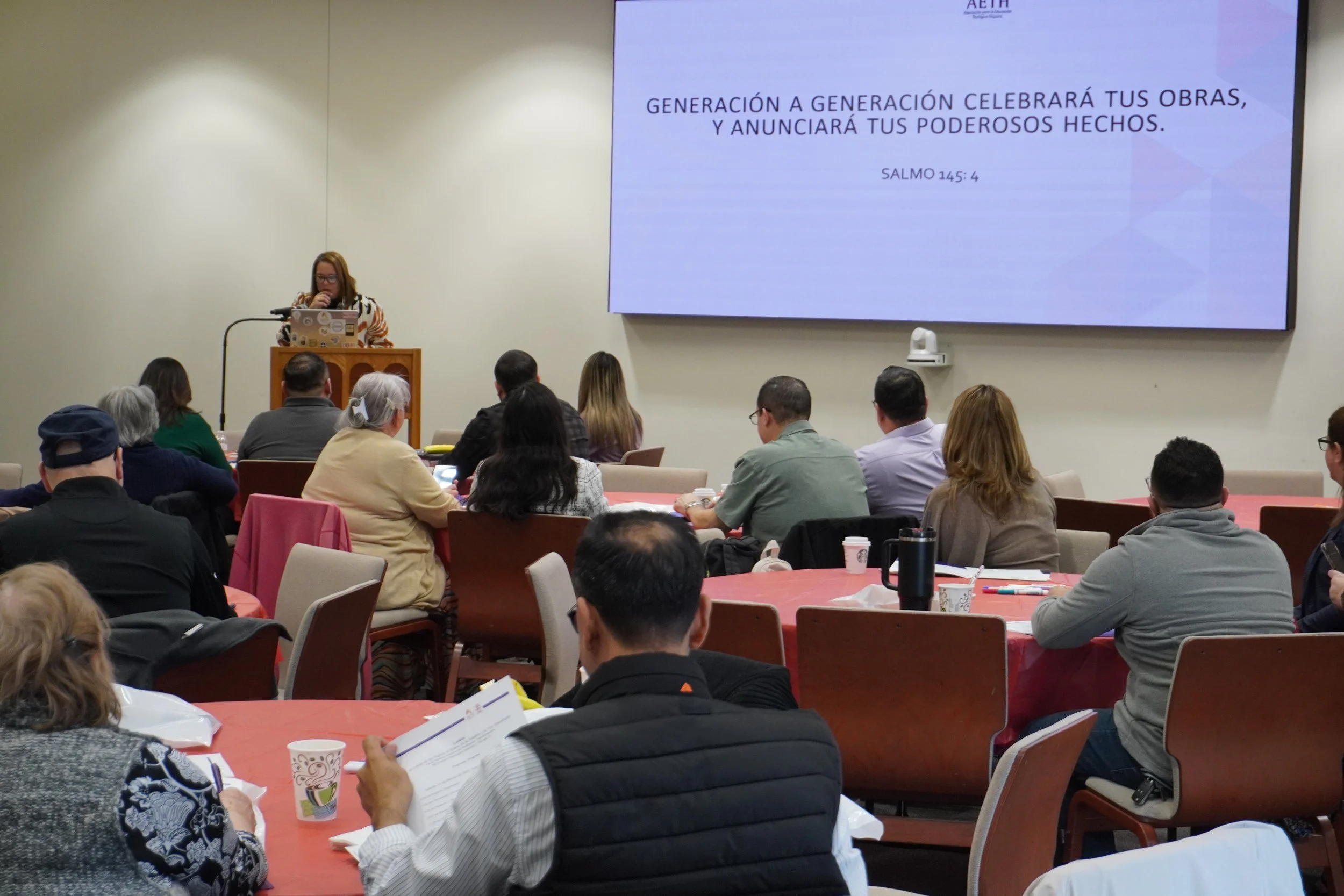
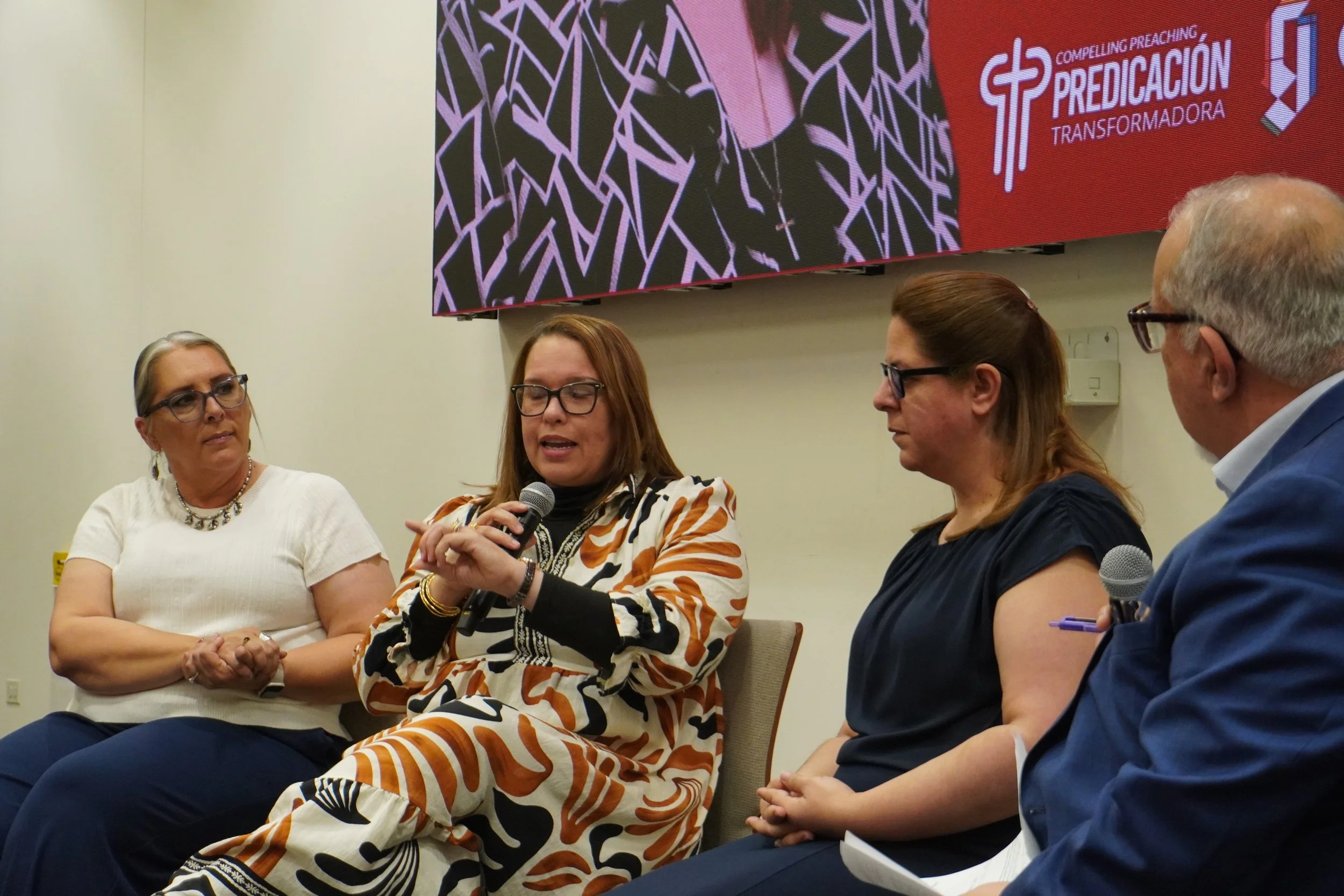
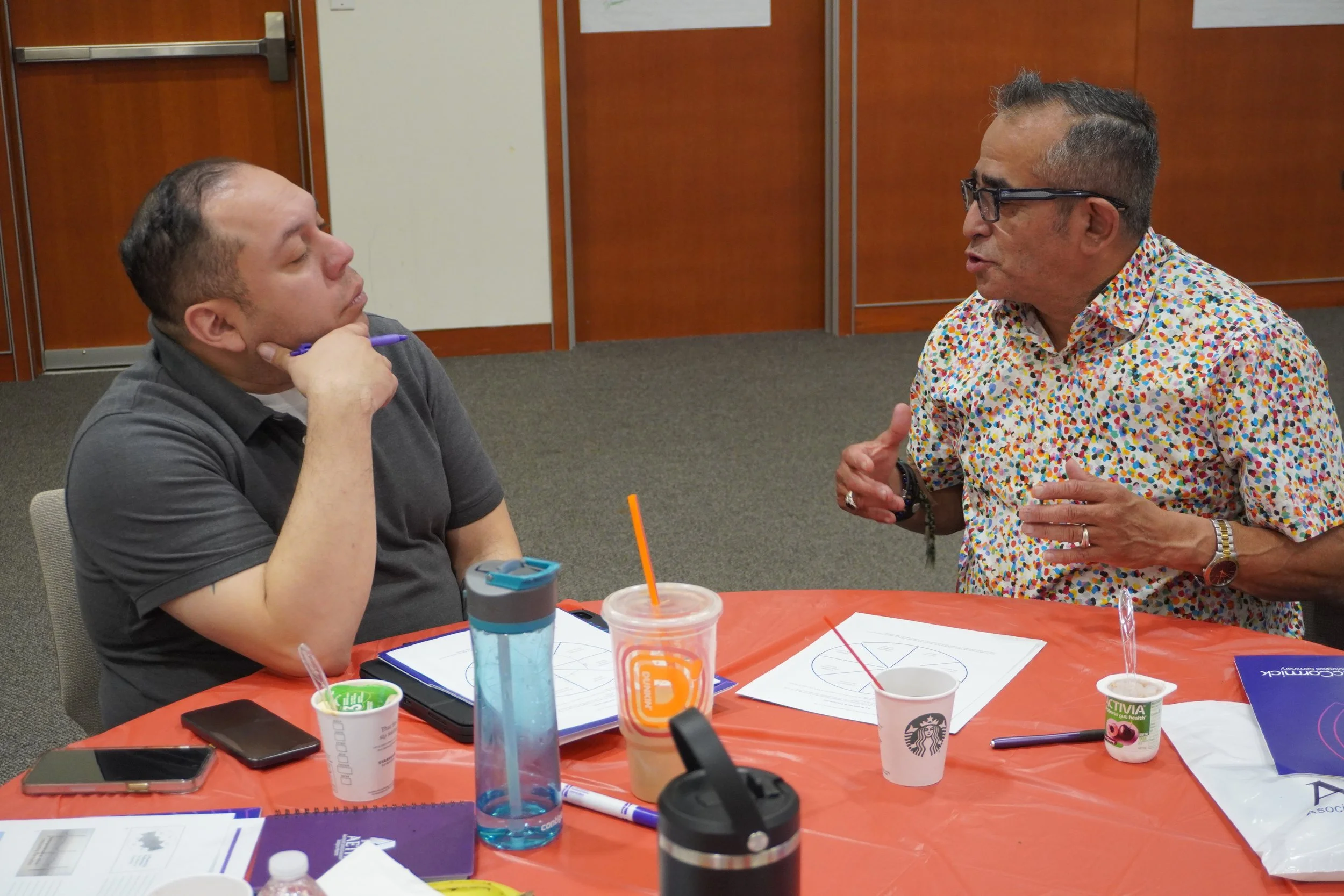
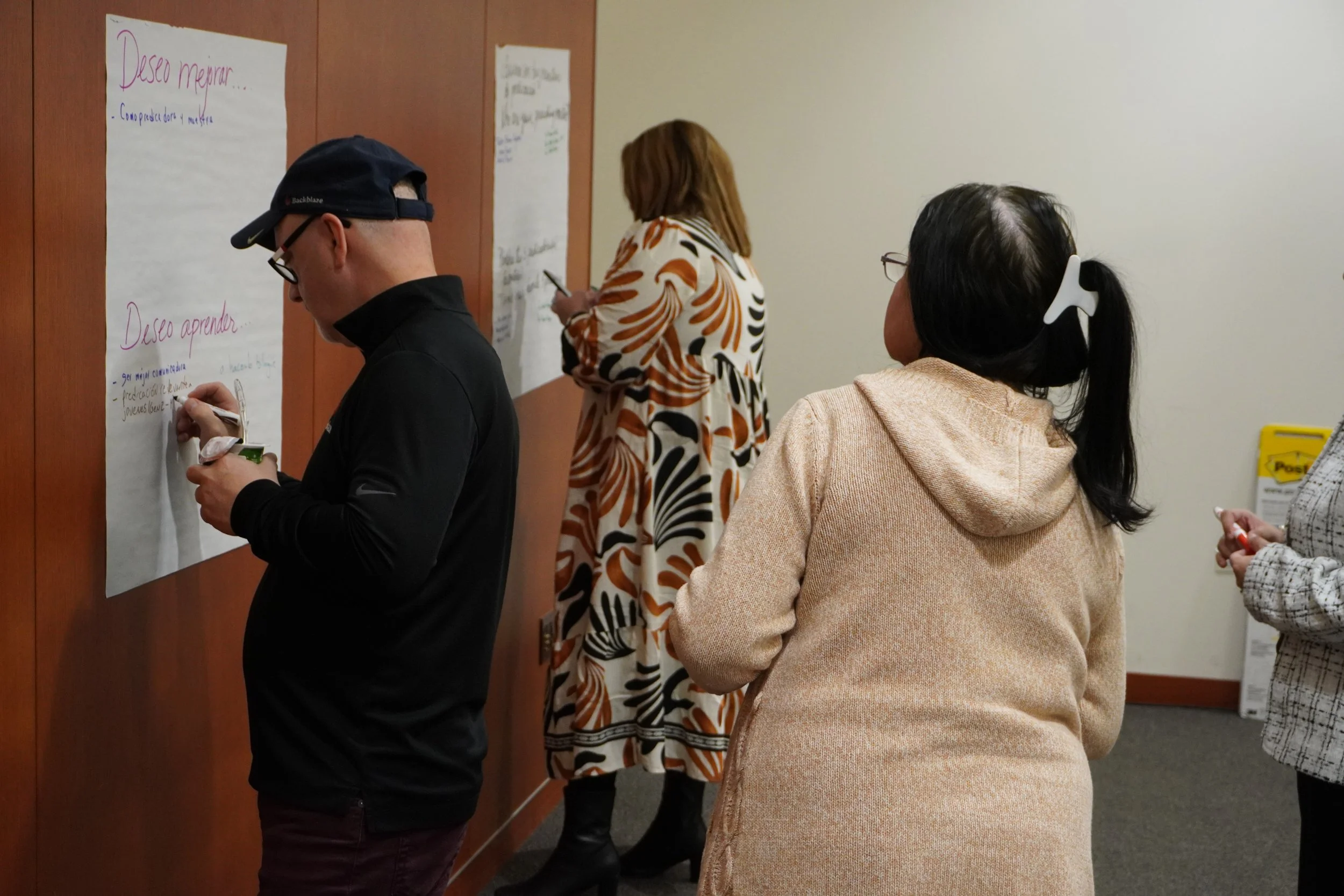
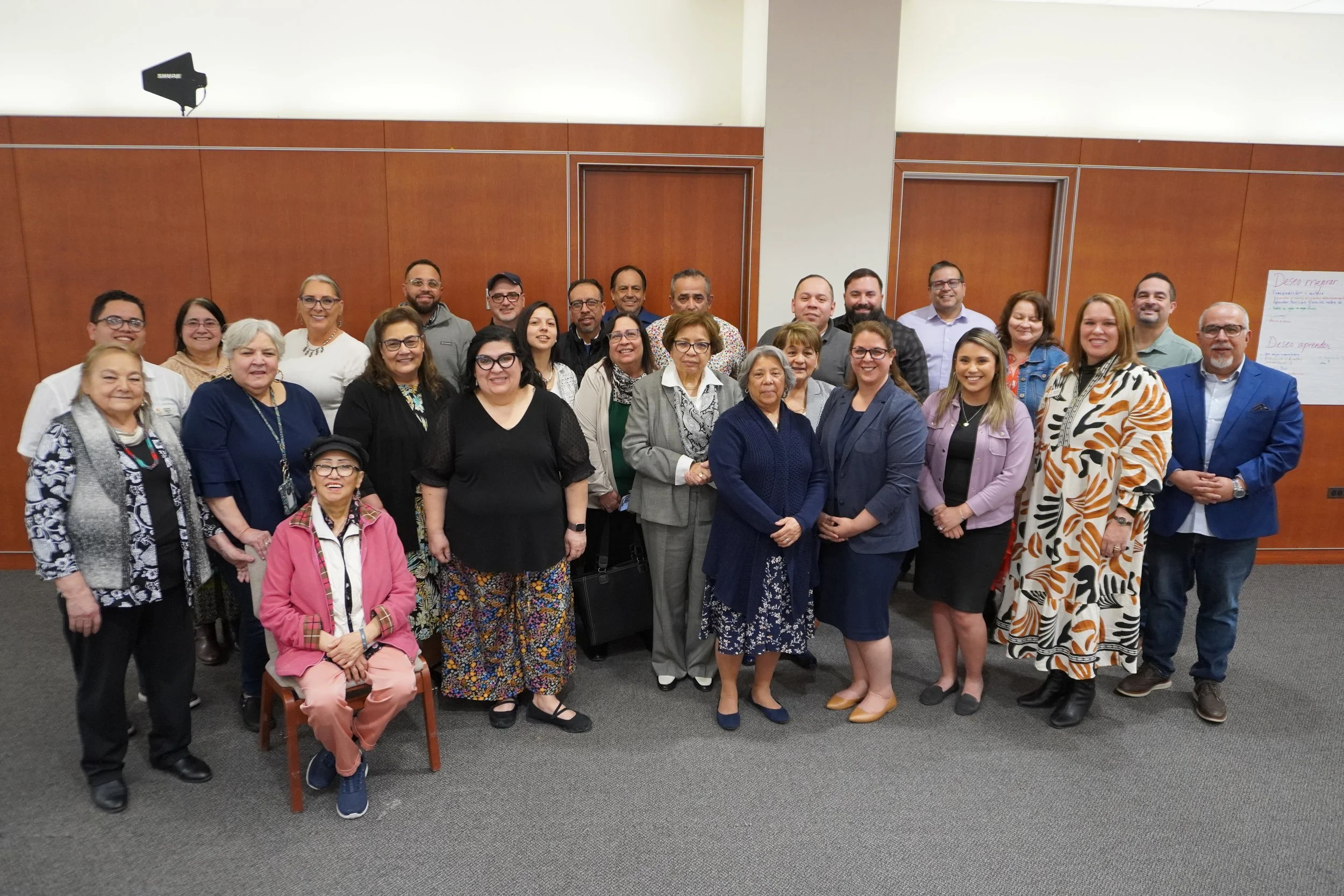
Hay momentos en el ministerio que te informan — y luego hay momentos que te marcan. Latidos: Ritmo Generacional, Oficio Sagrado y Voz Encarnada, celebrado el 21 de marzo de 2026, fue uno de esos momentos.
Organizado en colaboración entre El Centro en McCormick Theological Seminary, la Academia Ecuménica de Educación Teológica Hispana (AETH) y Garrett-Evangelical Theological Seminary, este encuentro no trató simplemente sobre la predicación como técnica. Fue sobre la predicación como llamado, responsabilidad y testimonio encarnado, especialmente en un tiempo como este.
Y desde donde estábamos en El Centro, esto no fue solo un evento que organizamos.
Fue un momento que sentimos en lo más profundo.
PREDICANDO A TRAVÉS DE GENERACIONES
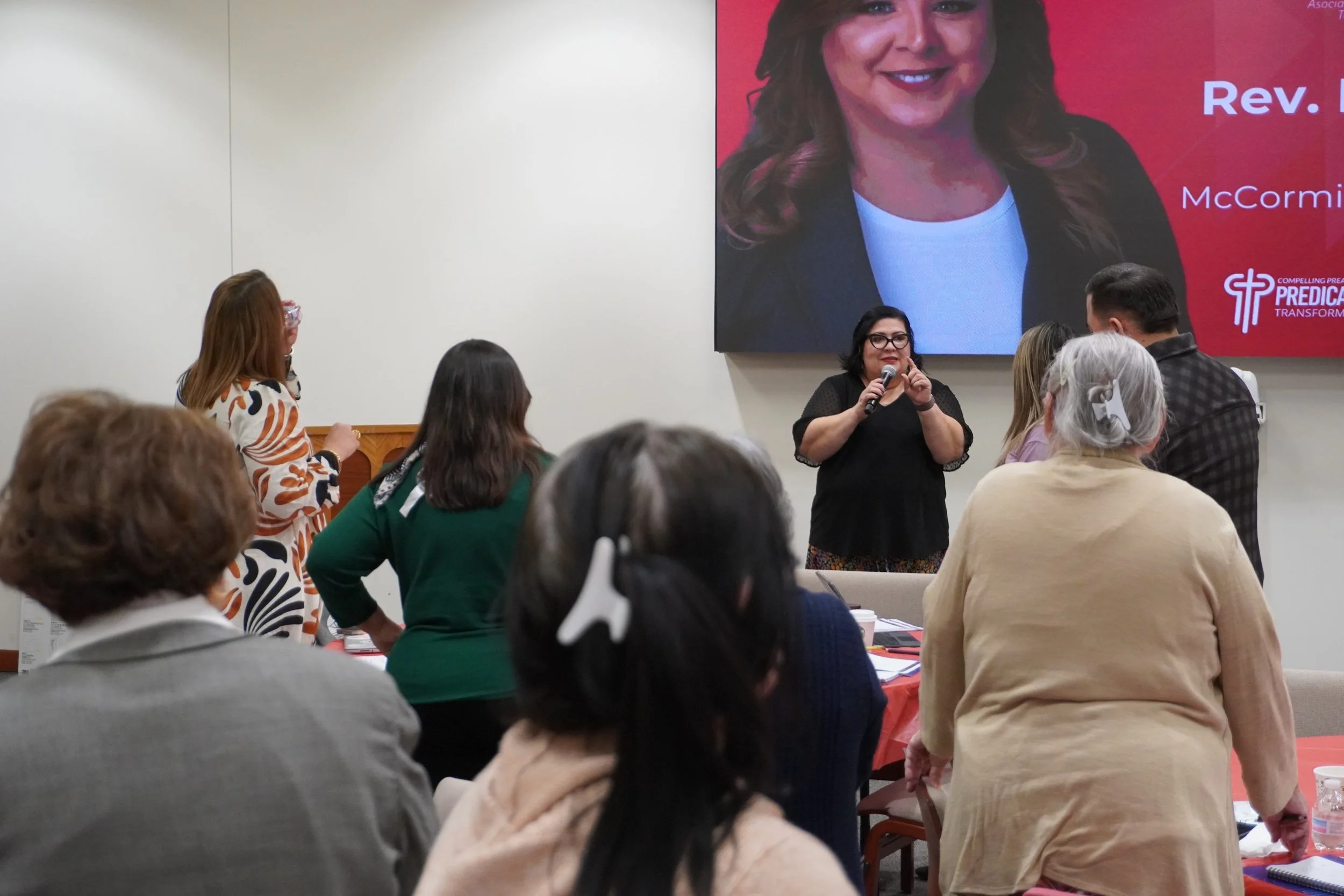
La conferencista Rev. Dra. Jessica Lugo nombró algo que todos sentíamos, pero no habíamos confrontado del todo: estamos predicando a múltiples generaciones a la vez — desde personas mayores formadas en mundos completamente distintos hasta jóvenes que aún están encontrando lenguaje para su fe.
Y sin embargo, demasiadas veces predicamos como si solo hubiera una generación en la sala. Ella nos llevó más allá de categorías superficiales:
Multigeneracional significa que nos toleramos
Transgeneracional significa que intercambiamos
Pero intergeneracional — ahí es donde ocurre la transformación
Eso implica una predicación que escucha. Una predicación que involucra. Una predicación que llama a cada generación a una formación compartida — no a una observación pasiva.
Desde la perspectiva de El Centro, esto nos tocó profundamente. Nuestras comunidades son complejas, diversas y hermosas. Y si nuestra predicación no sostiene esa complejidad, no puede sostener al pueblo.
LA PREDICACIÓN TIENE RITMO
Rev. Dra. Leslie Díaz-Pérez, directora de El Centro y también conferencista en este evento, nos recordó que la predicación no es solo preparación, es formación.
La predicación tiene un latido — un ritmo.
Un ritmo moldeado por el Espíritu.
Un ritmo arraigado en la Palabra.
Un ritmo cultivado en comunidad.
Ella nos llamó a ir más a fondo. A ir más allá de sermones superficiales hacia algo más honesto, más disciplinado, más vivo. Una predicación que lucha con la vida real: miedo, esperanza, duelo, injusticia, resiliencia.
Porque si nuestra predicación no alcanza a las personas donde están, no tendrá poder donde importa.
Este es el trabajo que impulsa El Centro: formar líderes que no solo hablen el Evangelio, sino que lo vivan en su contexto.
TU VIDA ES EL SERMÓN
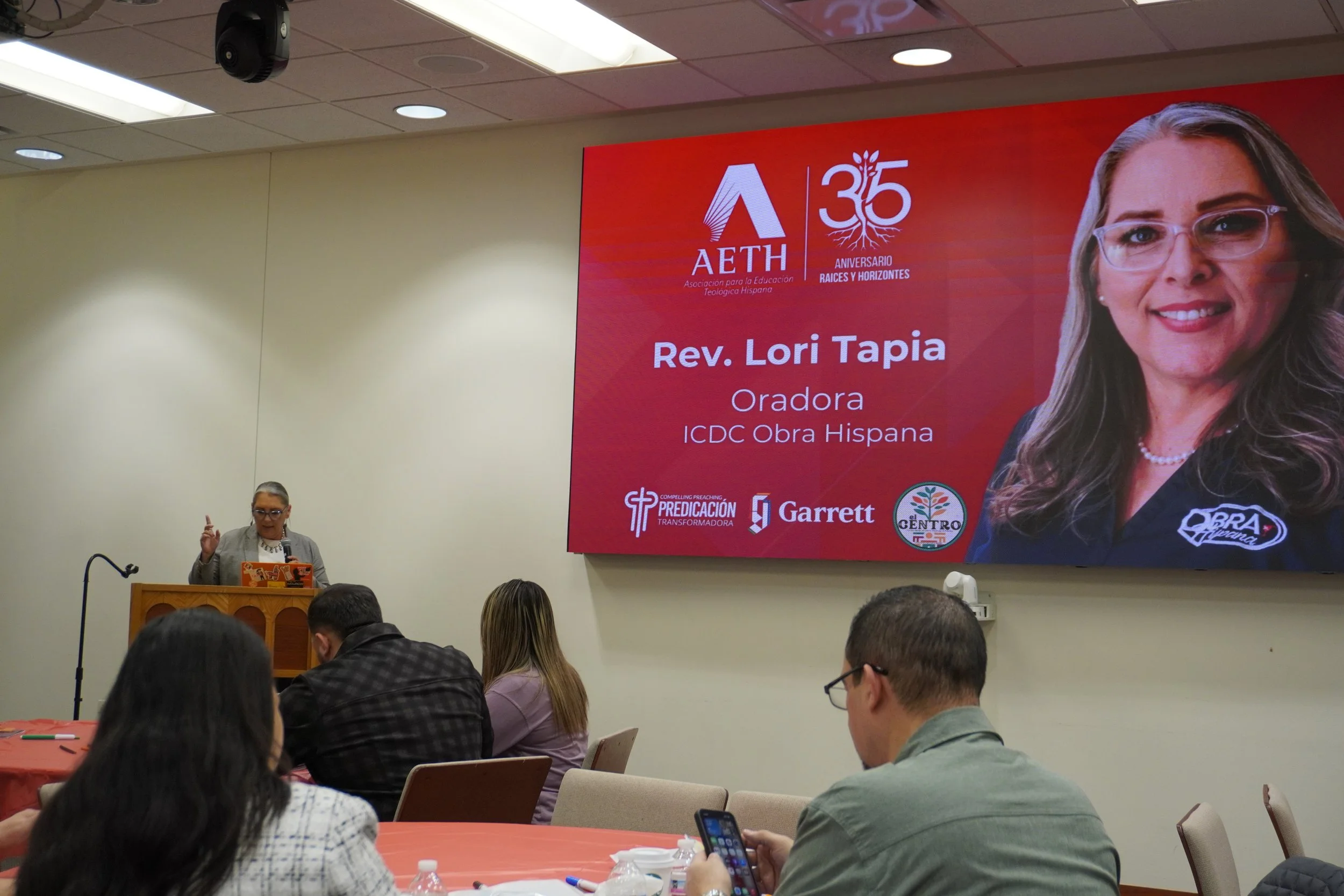
La tercera ponente, Rev. Lori Tapia, nos llevó al corazón del asunto: “Tu vida es el púlpito más importante.”
Esa verdad se asentó en la sala. Porque la predicación no es espectáculo. No es volumen. No es impresionar. Es alineación.
Cuando la voz, la vida, la teología y el Espíritu se alinean, algo cambia. No de forma teatral, sino transformadora. Y ese tipo de predicación no se puede fingir. Tiene que vivirse.
PREDICAR EN UN MUNDO QUE GIME
Lo que hizo este encuentro aún más urgente es el mundo en el que estamos predicando. Nuestras comunidades — especialmente nuestras comunidades latinas — están enfrentando presiones reales: luchas migratorias, dificultades económicas, borrado cultural, hambre espiritual.
Estos no son temas abstractos. Son realidades vividas.
Y la Iglesia no puede darse el lujo de predicar como si nada de esto existiera. Un púlpito silencioso en un mundo que sufre no es neutralidad. Es negligencia.
Por eso encuentros como Latidos son necesarios. Porque no separan la teología de la vida — las ponen en conversación directa.
Este no es tiempo para inspiración superficial. Es tiempo de formación profunda.
Necesitamos líderes — laicos y ministros — llenos del Espíritu, arraigados en la Palabra y conscientes de la justicia. Líderes que puedan orar en el santuario y hablar verdad en las calles. Predicadores que sepan leer la Escritura y leer el momento.
Porque el Evangelio no es frágil. Es lo suficientemente fuerte para salvar almas, confrontar sistemas, sanar comunidades y llamar a un pueblo a la transformación. Y si nuestra predicación no nos mueve hacia la justicia, entonces tenemos que preguntarnos: ¿Qué evangelio estamos predicando?
LO QUE PRESENCIAMOS
Lo que experimentamos en este espacio no fue potencial. Fue evidencia.
Evidencia de que en nuestra comunidad hay: sabiduría, fuego y voces proféticas esperando ser cultivadas. Esperando ser liberadas.
Pero seamos claros: No basta con que Dios levante voces si la Iglesia no hace espacio para ellas. Esto no se trata de diversidad por apariencia. Se trata de administrar fielmente lo que Dios está haciendo.
Ignorarlo no es solo falta de visión. Es desobediencia.
FUIMOS MARCADOS
No salimos de Latidos solo con notas.
Salimos con: convicción, claridad, y fuego.
Salimos recordando que la predicación no es solo algo que hacemos. Es en quiénes nos estamos convirtiendo. Y desde El Centro en McCormick, seguimos adelante — comprometidos a formar líderes que predican con ritmo, viven con integridad y proclaman una Palabra que responde al momento.
Fuimos marcados.
Adaptado de un artículo publicado originalmente en The Herald.
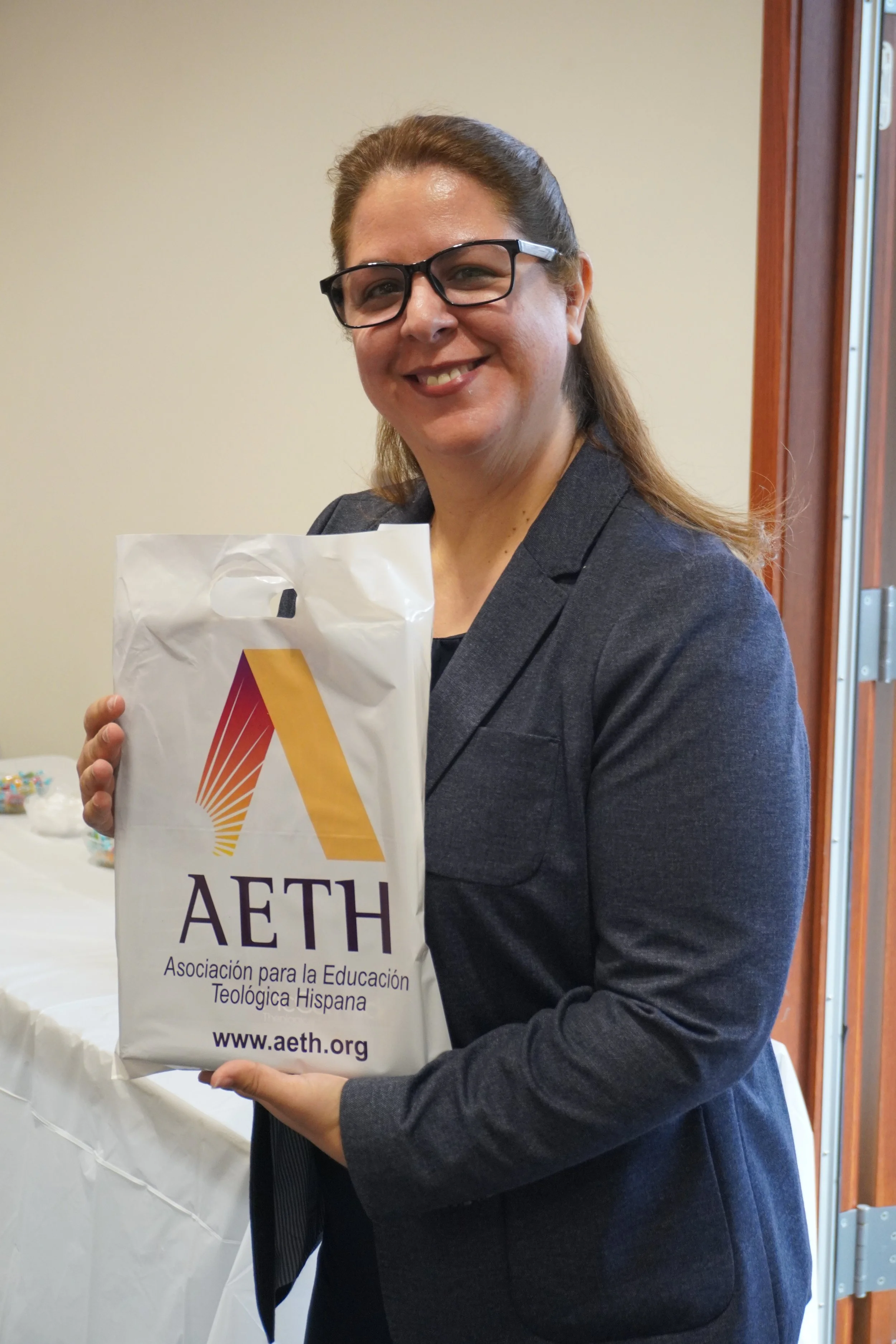
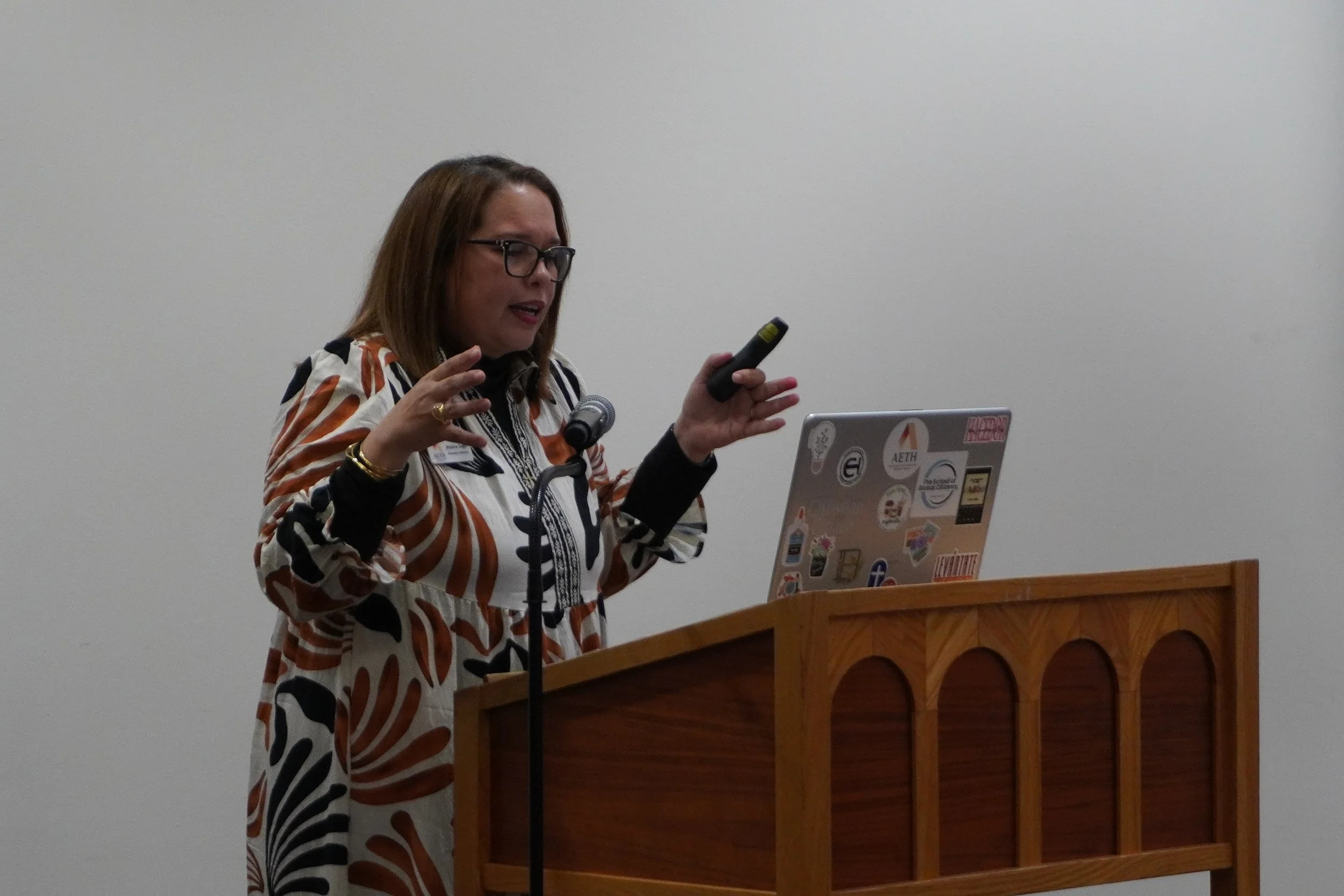
LATIDOS: A Call to Transformational Intergenerational Preaching
by John-Michael Villareal, McCormick M.A.M. student & Co-Editor, The Herald
There are moments in ministry that inform you — and then there are moments that mark you. Latidos: Generational Rhythm, Sacred Craft & Embodied Voice, held on March 21, 2026, was one of those moments.
Hosted in partnership by El Centro at McCormick Theological Seminary, the Academy of Ecumenical Hispanic Theological Education (AETH), and Garrett-Evangelical Theological Seminary, this gathering wasn’t just about preaching as a craft. It was about preaching as calling, responsibility, and embodied witness—especially in a time like this.
And from where we sat at El Centro, this wasn’t just an event we hosted. It was a moment we felt in our bones.
PREACHING ACROSS GENERATIONS
Speaker Rev. Dr. Jessica Lugo named something we all felt but had not fully confronted: We are preaching to multiple generations at once — from elders formed in entirely different worlds to young people still finding language for faith.
And yet, too often, we preach as if only one generation is in the room. She pushed us beyond easy language:
Multigenerational means we tolerate each other
Transgenerational means we exchange
But intergenerational — that’s where transformation happens
That means preaching that listens. Preaching that engages. Preaching that calls every generation into shared formation — not passive observation. From El Centro’s vantage point, this hit close to home. Our communities are layered, complex, beautiful. And if our preaching does not hold that complexity, it cannot hold the people.
PREACHING HAS A RHYTHM
Our own, Rev. Dr. Leslie Díaz-Pérez, director of El Centro, who also spoke during this event, reminded us that preaching is not simply preparation; it is formation.
Preaching has a latido — a rhythm.
A rhythm shaped by the Spirit.
A rhythm grounded in the Word.
A rhythm cultivated in community.
She called us deeper. To go beyond surface-level sermons into something more honest, more disciplined, more alive. Preaching that wrestles with real life: Fear. Hope. Grief. Injustice. Resilience. Because if our preaching does not reach people where they are, it does not carry power where it matters.
This is the work that El Centro focuses on — forming leaders who don’t just speak the Gospel, but live it in context.
YOUR LIFE IS THE SERMON
The third speaker at the event, Rev. Lori Tapia, brought us to the heart of it: “Tu vida es el púlpito más importante.” (Your life is the most important pulpit.)
That truth settled in the room. Because preaching is not performance, or volume, or about being impressive. It is about alignment. When voice, life, theology, and Spirit come together, something shifts. Not theatrically, but transformationally. And that kind of preaching cannot be faked. It has to be lived.
PREACHING IN A WORLD THAT IS GROANING
What made this gathering even more urgent is the world we are preaching into. Our communities — especially our Latin@ communities — are navigating real pressures: Immigration struggles. Economic hardship. Cultural erasure. Spiritual hunger.
These are not abstract issues. These are lived realities. And the Church cannot afford to preach as if none of this exists. A silent pulpit in a suffering world is not neutrality. It is neglect.
This is why gatherings like Latidos matter. Because they don’t separate theology from life, they bring them into direct conversation. This is not a time for shallow inspiration. It is a time for deep formation. We need leaders — laity and clergy — who are Spirit-filled, Biblically grounded, and Justice-aware. Leaders who can pray in the sanctuary and speak truth in the streets. Preachers who can read Scripture and read the moment. Because the Gospel is not fragile. It is strong enough to save souls, confront systems, heal communities, and call people into transformation.
And if our preaching does not move us toward justice, then we have to ask: What Gospel are we preaching?
WHAT WE WITNESSED
What we experienced in this space was not potential. It was proof that within our comunidad there is scholarship, fire and prophetic voices waiting to be nurtured. Waiting to be released.
But let’s be clear: It is not enough for God to raise up voices if the Church refuses to make room for them. This is not about diversity for appearance. This is about stewardship of what God is doing. To ignore that is not just short-sighted. It is disobedient.
WE WERE MARKED
We did not leave Latidos with notes alone. We left with conviction, clarity and fire. We left reminded that preaching is not just something we do, it is who we are becoming.
And from El Centro at McCormick, we carry that forward — committed to forming leaders who preach with rhythm, live with integrity, and speak a Word that meets the moment.
We were marked.
Adapted from an article that originally appeared in the McCormick student publication, The Herald.