

Leading with Faith in a Time of Fear
APRIL 15, 2026
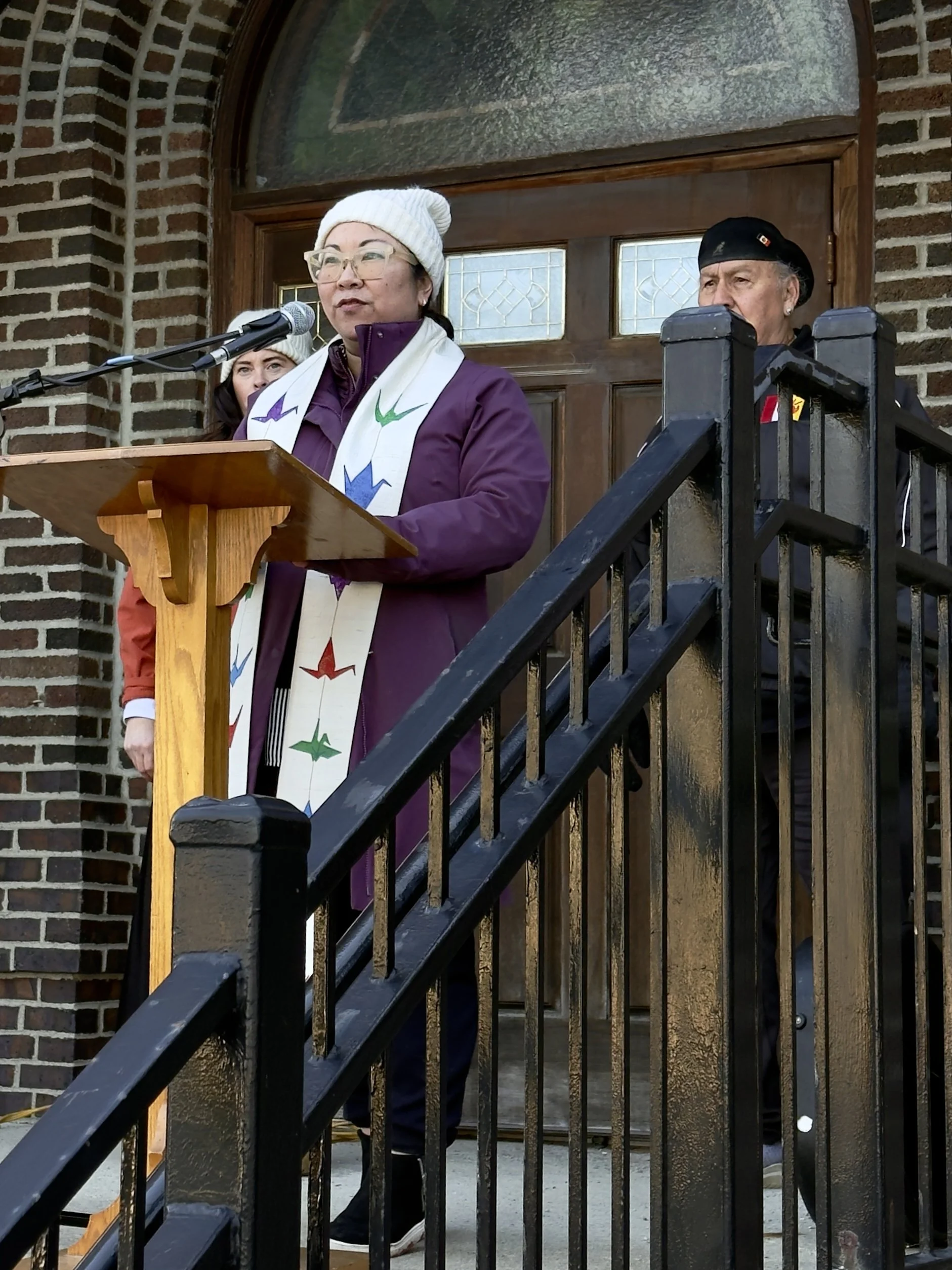
Alumni Spotlight: Rev. Jennifer Ikoma-Motzko
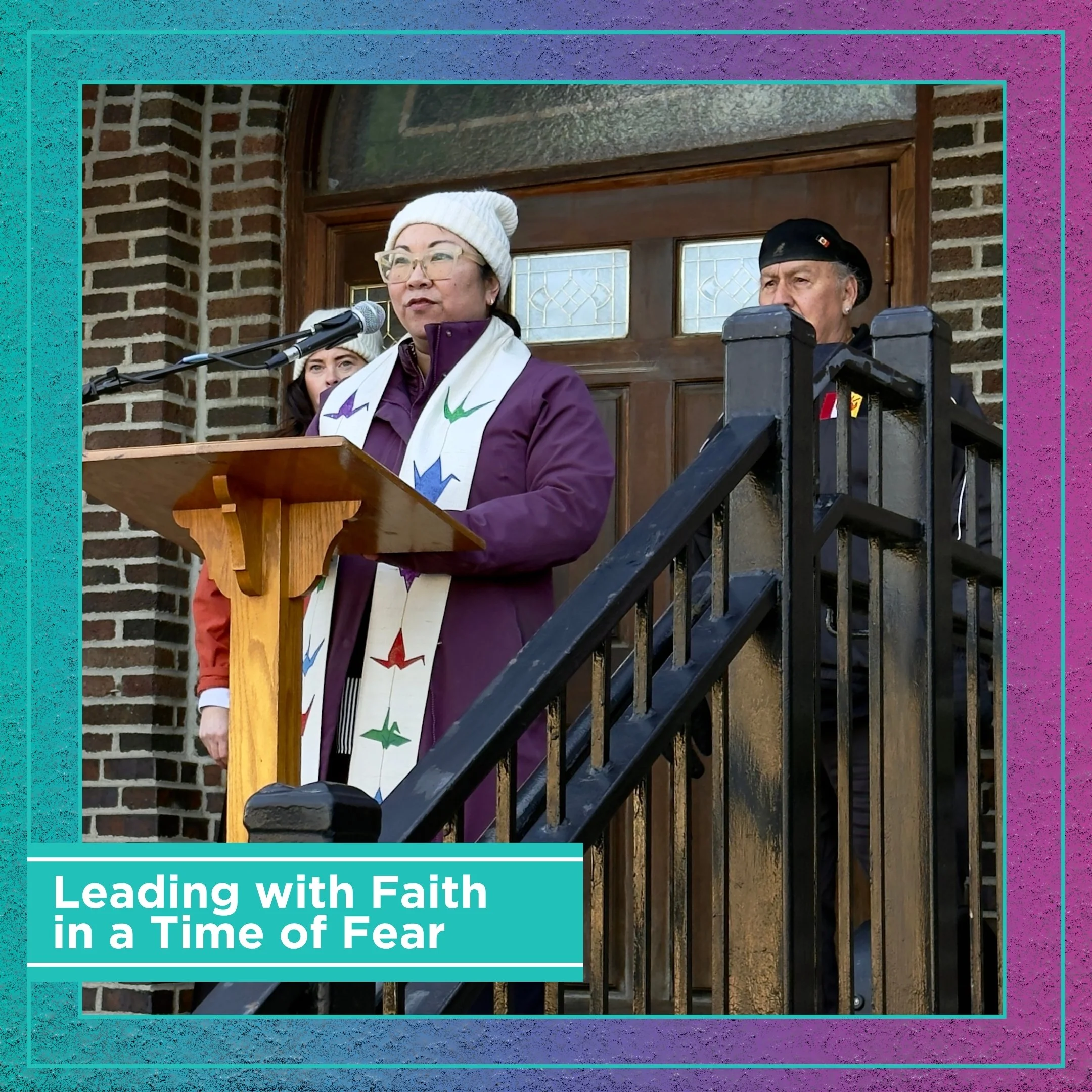
There are seasons in ministry that confirm what you already know. Then there are seasons that stretch the very definition of what ministry requires.
For Rev. Jennifer Ikoma-Motzko, this has been one of those seasons.
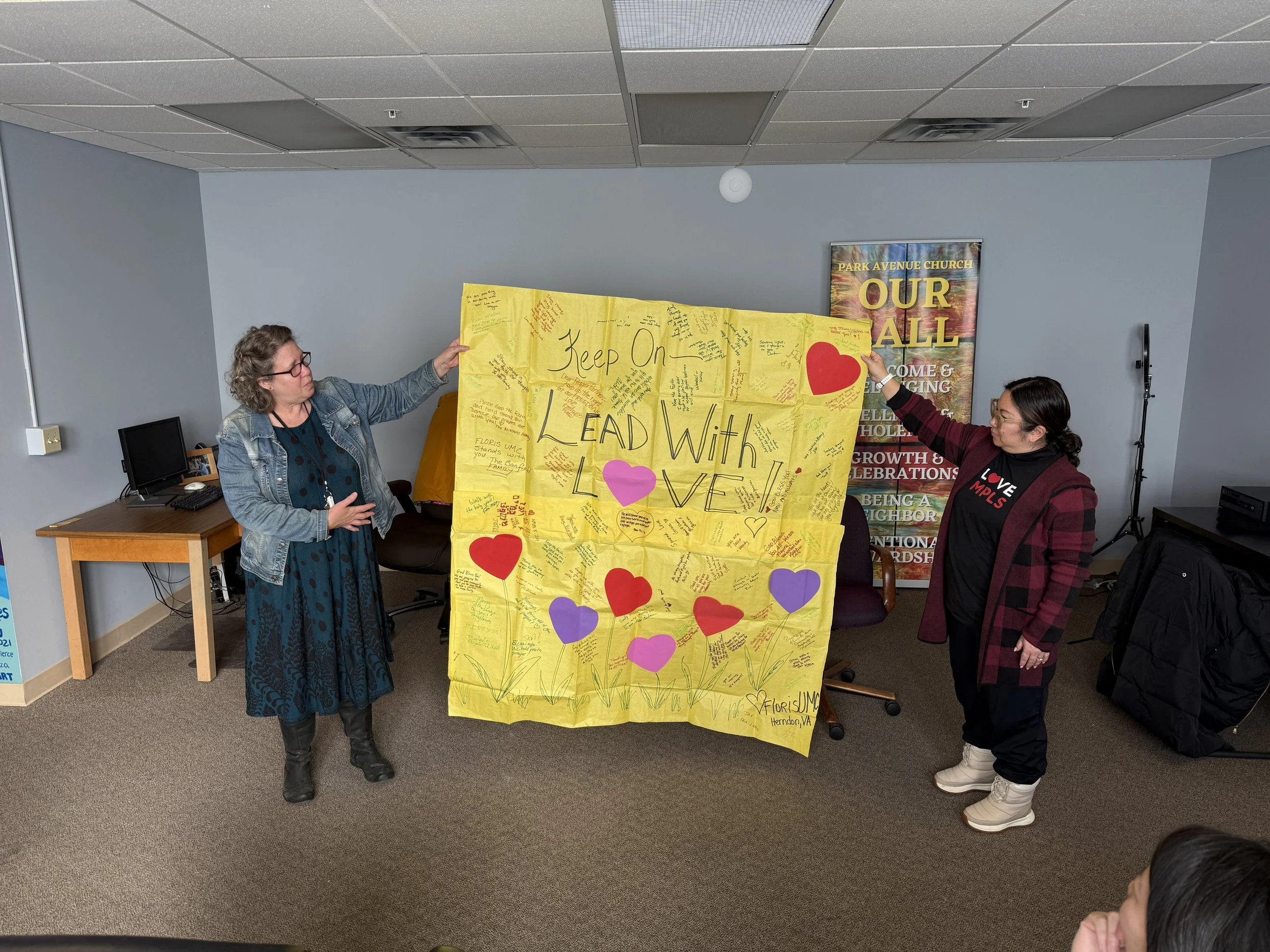
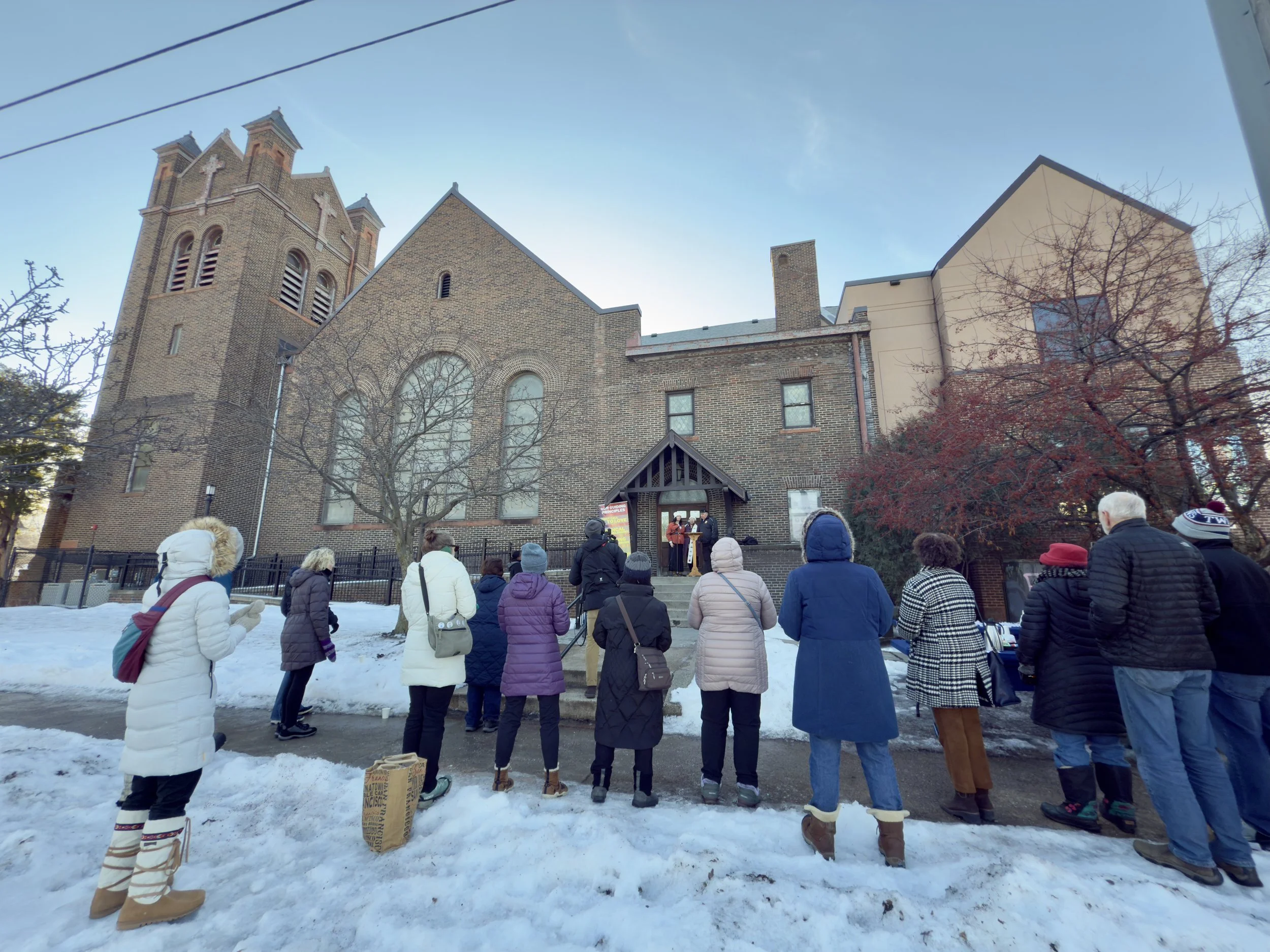
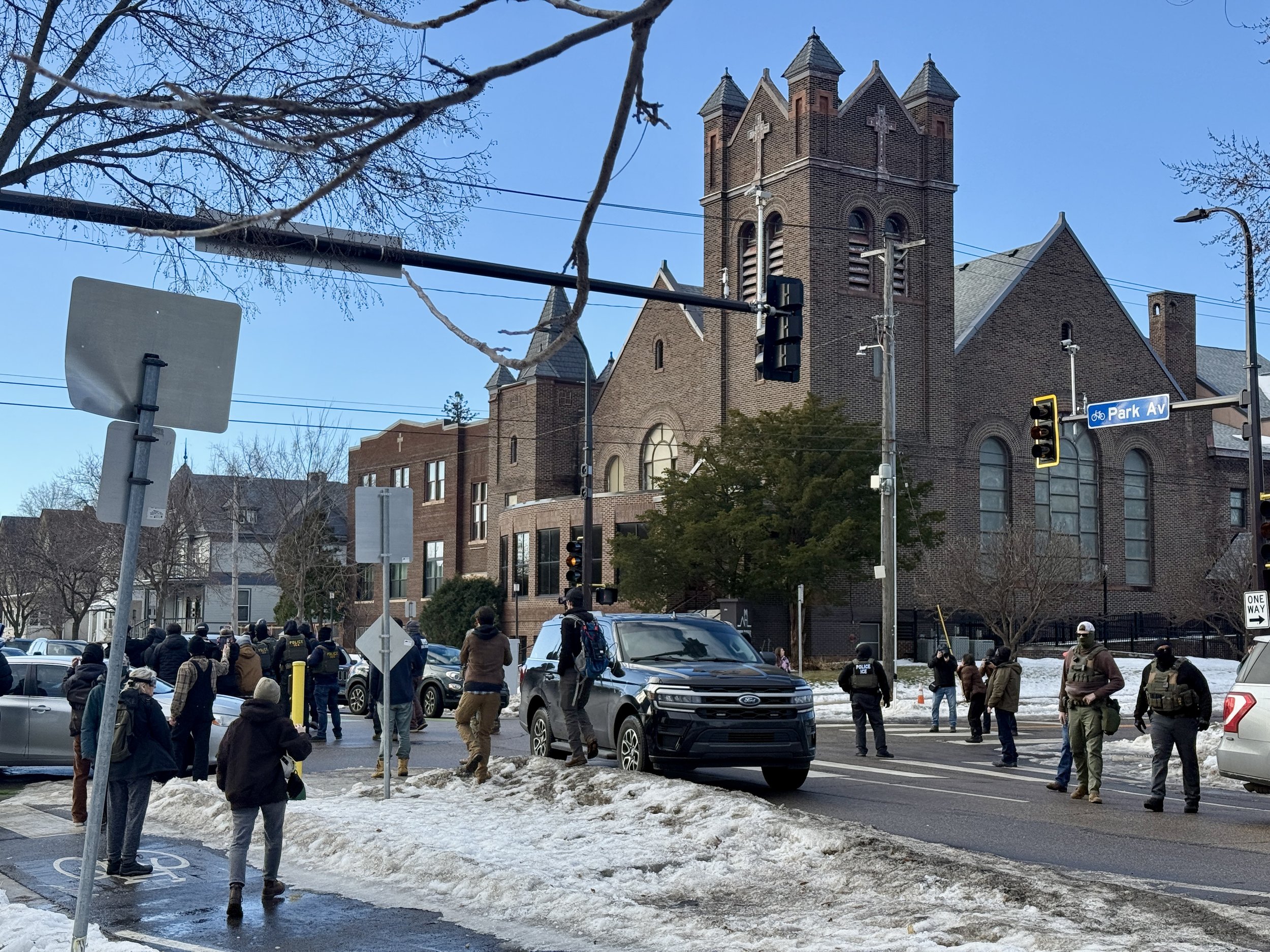
Serving on the pastoral team at Park Avenue United Methodist Church in Minneapolis, within a designated sanctuary city, Rev. Ikoma-Motzko and her congregation have found themselves at the intersection of pastoral care, public witness, and urgent community response amid intensified ICE activity over the past six months. This moment has been marked by grief, tension, and deep uncertainty. It has also revealed the sacred in unexpected places.
“I’m not sure seminary prepares you to build a tear gas treatment aid cart,” she reflected. “But McCormick prepared me in the ways that matter most.”
WHEN MINISTRY BECOMES IMMEDIATE
Rev. Ikoma-Motzko describes a ministry landscape where plans quickly give way to presence.
After an intense ICE raid near the church, everyday items like milk and baby shampoo took on new meaning. What was intended for food distribution became tools for treating tear gas exposure. The congregation’s strategic plan did not disappear, but it loosened. It adapted. It made room for reality.
“In this moment, pastoral leadership looks less like executing a plan,” she says, “and more like faithfully discerning, responding, and embodying the prayers we recite every week.”
That embodiment has been tangible.
Rev. Ikoma-Motzko has helped organize funerals for families disrupted by detention. She has navigated complex safety concerns. She and church staff have witnessed fragile moments of human connection between congregants and federal agents. This season has required leadership that is fluid, grounded, and deeply attentive.
And sometimes, it looks like something much quieter.
One moment that stays with her is receiving a cup of Somali tea in the church parking lot. A local woman, known simply as the “sambusa lady,” had been feeding mourners gathered at a nearby memorial. Grateful for access to the church lot, she paused to offer Rev. Ikoma-Motzko tea before returning to serve others.
“It reminded me that grace and hospitality often show up in simple, unplanned exchanges,” she shared.
FORMATION THAT SHOWS UP IN THE FIELD
While the moment is unprecedented in many ways, Rev. Ikoma-Motzko is clear. She is not leading alone, and she is not leading unformed.
Her time at McCormick continues to shape how she navigates complexity.
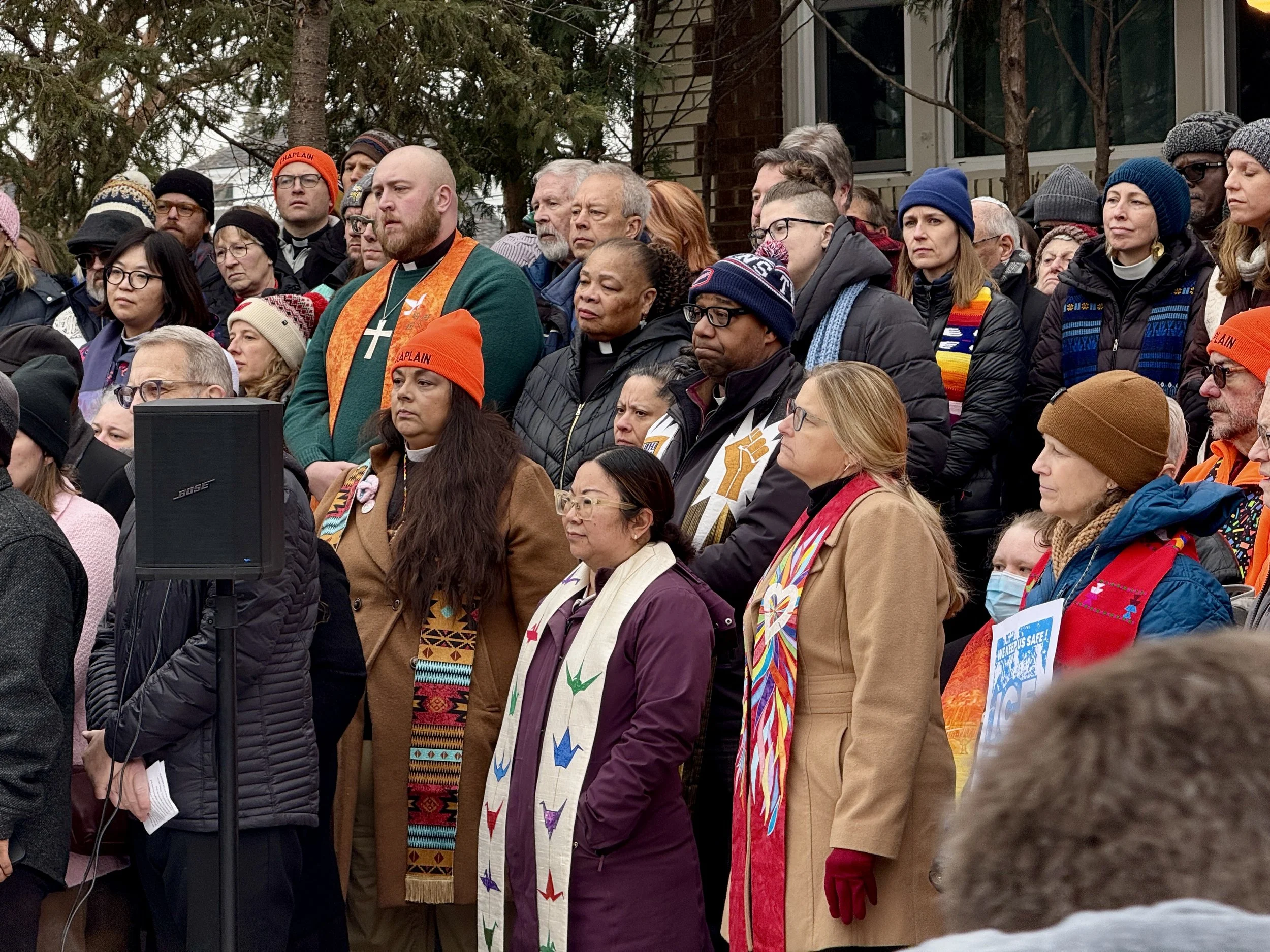
The relationships she built have become lifelines. Fellow alumni were among the first to physically show up at the church in the wake of tragedy. The ecumenical imagination cultivated during her studies has expanded into a lived practice of shared leadership across traditions.
“I am PCUSA-trained, American Baptist ordained, serving in a United Methodist Church,” she says. “So when this moment came, it felt natural to lean into a wider community, not just one tradition.”
That community has been essential.
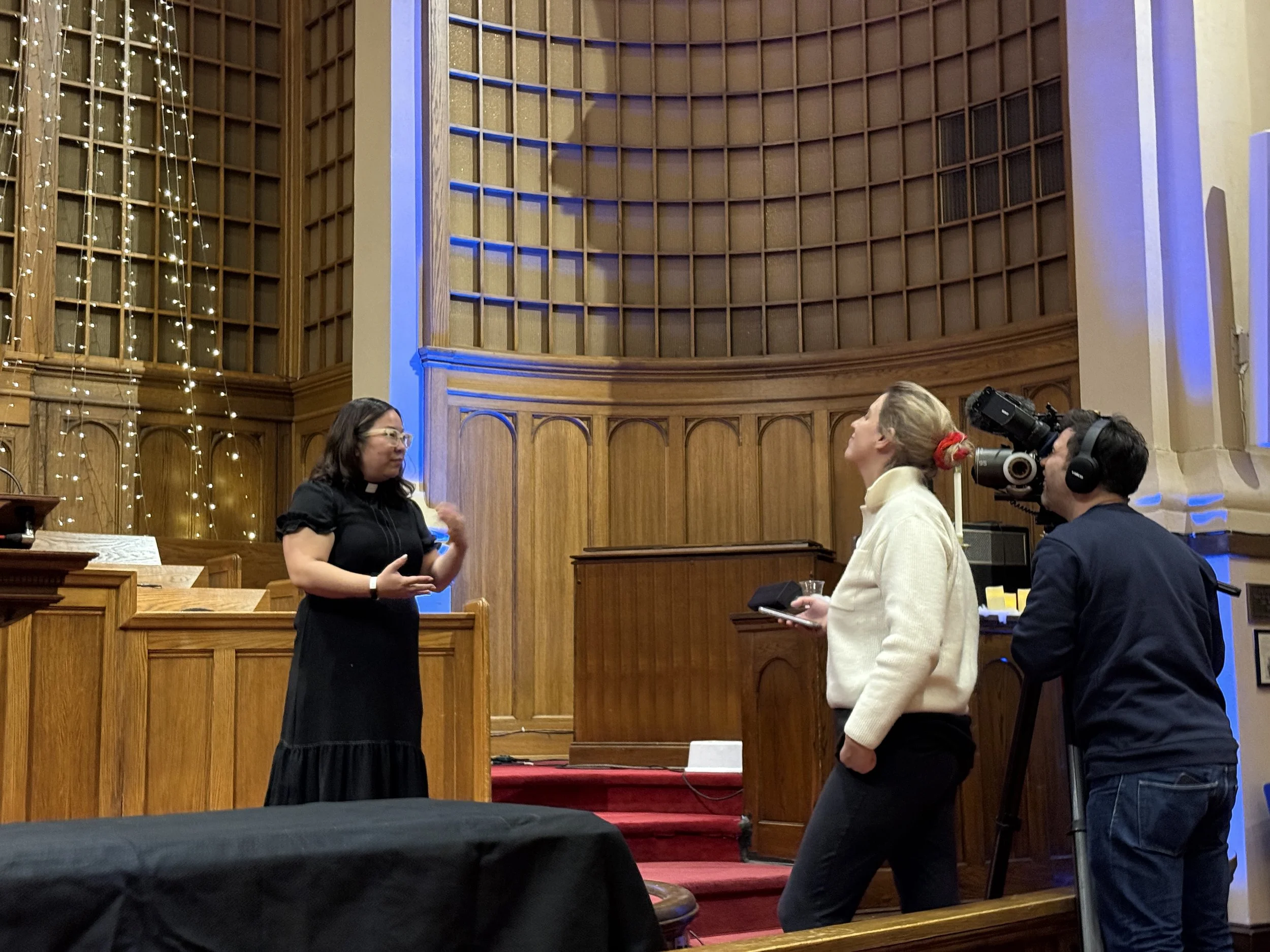
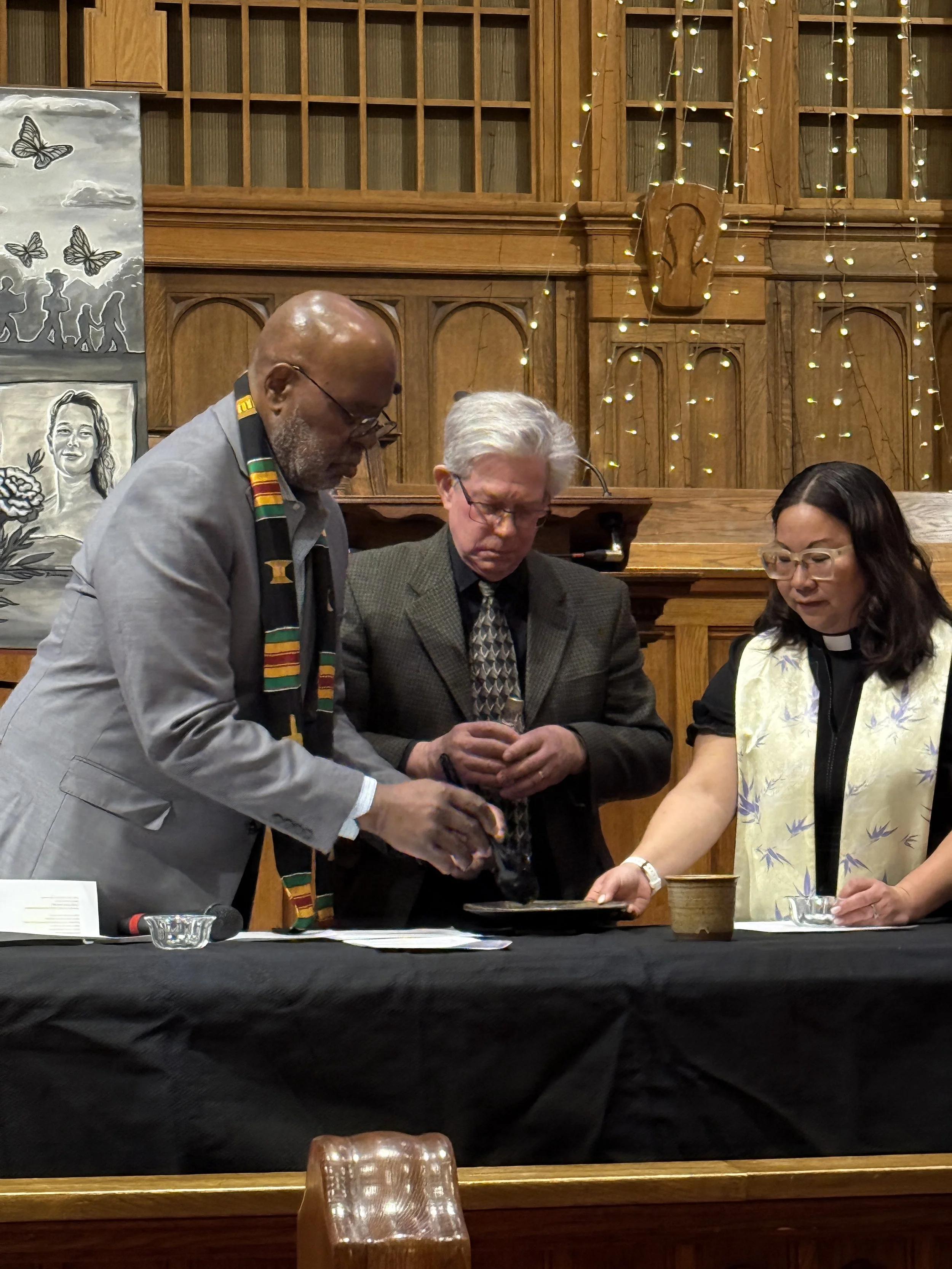
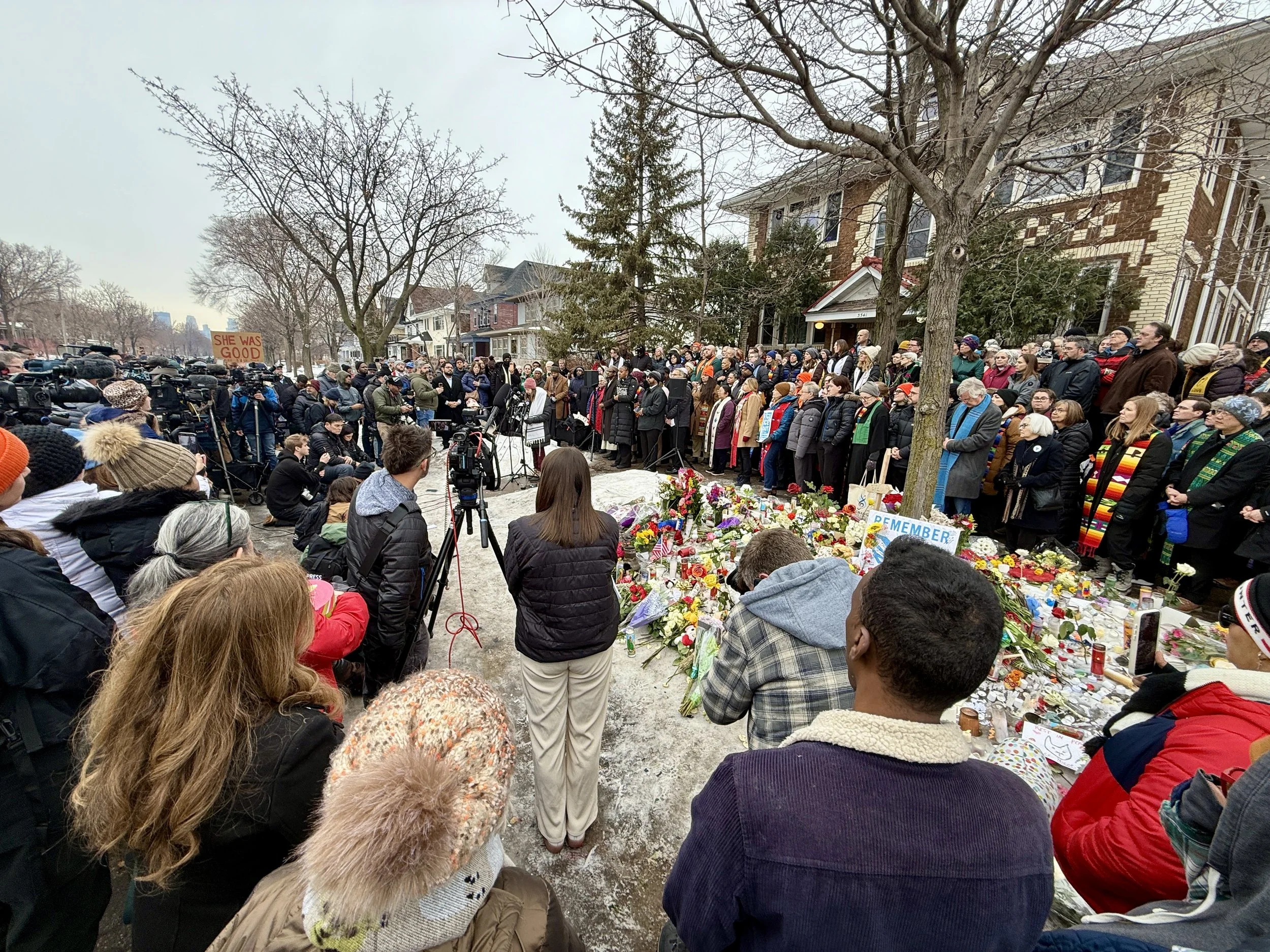
Rev. Ikoma-Motzko describes sitting at a table with a Jewish rabbi, a Unitarian Universalist chaplain, and a Buddhist leader. Not long after, she watched them minister side by side in her sanctuary. She recalls planning a funeral at the church and bringing in a Lutheran clergy colleague who was able to officiate in the grieving family’;s native language. She points to neighbors stepping in when church-led efforts became unsustainable, ensuring care continued when capacity ran thin.
Even a Good Friday observance has taken on new meaning. This year, congregations gathered at George Floyd Square and walked together through sites marked by loss and community grief, including places where community members were detained or lost their lives, naming suffering while embodying a shared commitment to healing.
This is theology in motion.
A THEOLOGY ROOTED IN STORY
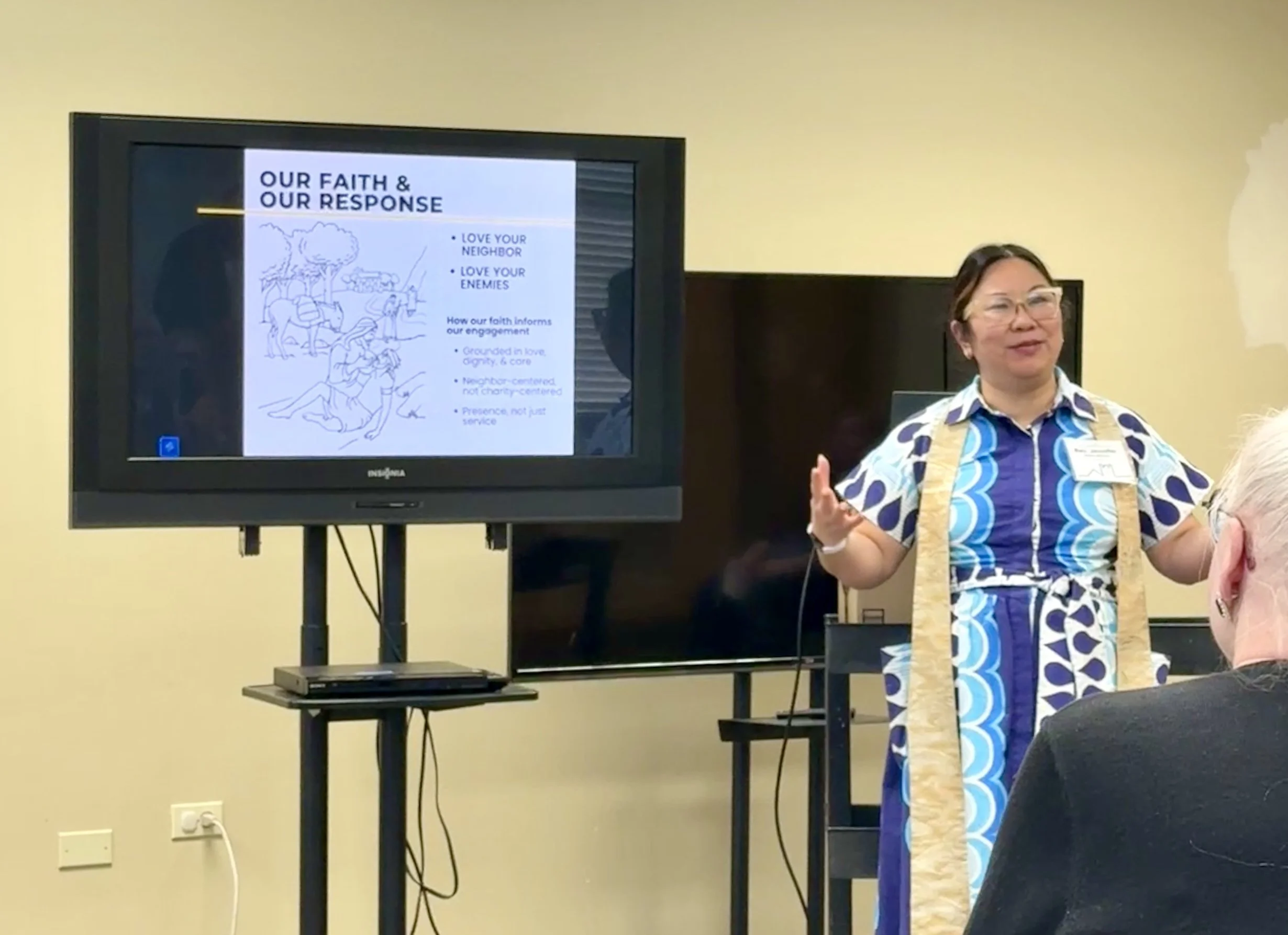
At the core of Rev. Ikoma-Motzko’s leadership is a theological imagination shaped by story, especially her own.
A fourth-generation Japanese-Okinawan American (yonsei), she carries the legacy of family members who were incarcerated in the U.S. internment camps during World War II under Executive Order 9066. That history is not abstract. It informs how she reads Scripture, how she interprets the present, and how she leads.
“When I see families living in fear today, I can’t help but see echoes of the past,” she says. “History shows us how easily entire groups of people can be treated as threats rather than neighbors.”
Her heritage also offers a framework for resilience.
“I come from people who survived by staying connected to one another, holding onto their dignity, and caring for their communities even in the midst of injustice,” she explains.
That inheritance shapes her ministry now. She is creating spaces where truth can be told, where isolation is resisted, and where care is practiced collectively.
THE FORMATION THAT ENDURES
While seminary may not have prepared her with a checklist for moments like the ones we are living through, Rev. Ikoma-Motzko is quick to name that McCormick instead helped form within her something deeper.
A confidence that her voice matters.
A theological grounding that can hold both suffering and hope.
A permission to see her own story as a lens for leadership.
A commitment to community that extends beyond any one denomination.
Perhaps most importantly, it instilled a way of being that adapts without losing its center.
In a moment where ministry includes tear gas response kits and trauma-informed care, that kind of formation is not just relevant. It is essential.
A WITNESS FOR THIS MOMENT
What Rev. Ikoma-Motzko and her community are navigating is not simple. It is not tidy. It does not fit neatly into strategic plans or sermon series.
But it is deeply faithful.
It is the work of showing up. Of responding in real time. Of holding grief and hope in the same breath. Of trusting that God is present not only in sanctuaries, but also in parking lots, protest sites, and shared meals.
It is also a reminder to the McCormick community of what formation is truly for.
Not just for what we can anticipate.
But for what we cannot.
Not just for the work we plan.
But for the work that finds us.