

Sacred Memory Project at Smithsonian Conference
OCTOBER 6, 2026
The Sacred Memory Project’s interactive learning experience
will explore how ancestral wisdom and storytelling help communities “welcome home.”
What wisdom, story, ritual, or memory helps a community come home to itself?
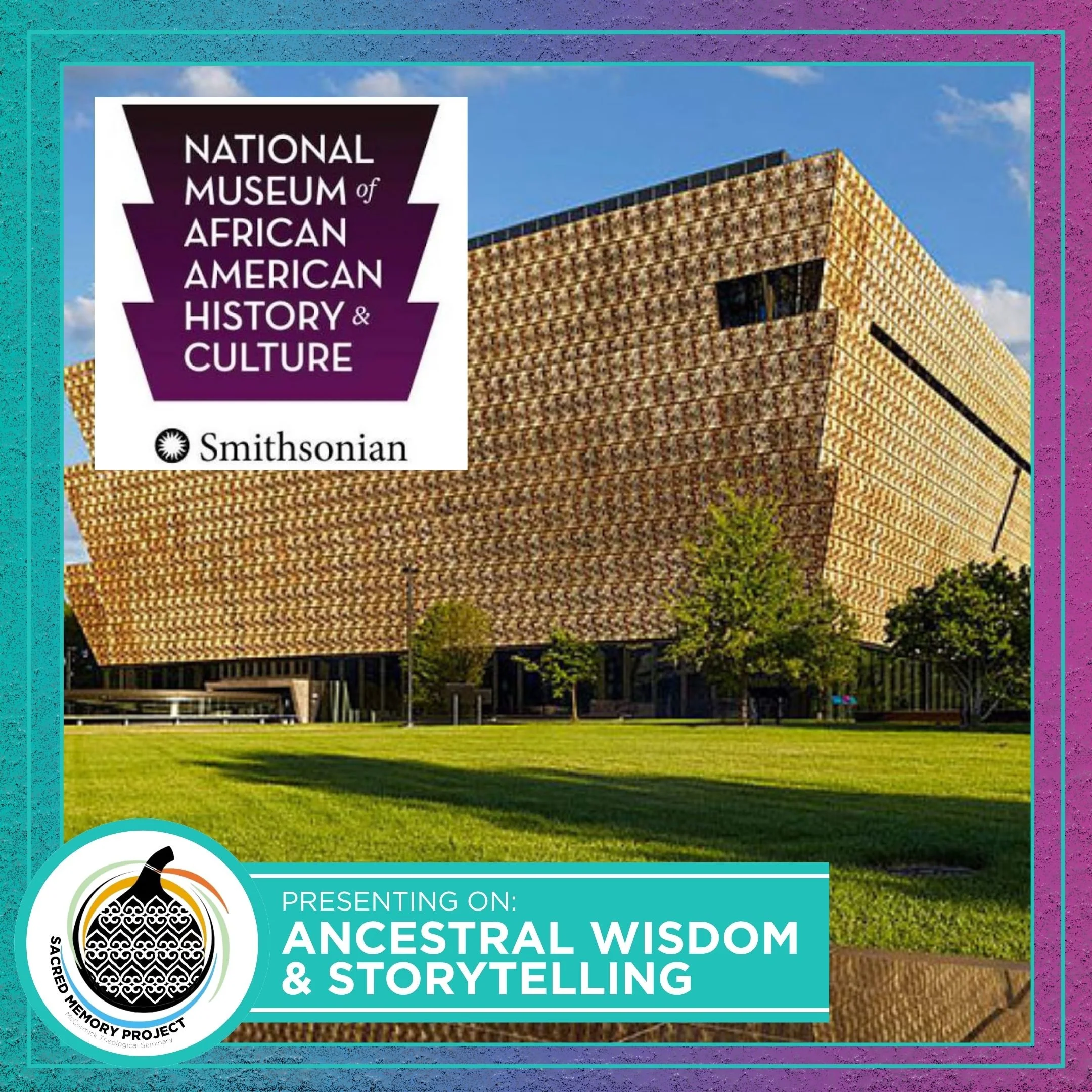
That question anchors an interactive experience from McCormick Theological Seminary’s Sacred Memory Project, selected to participate in the Next Tech Lab at the 2026 Forward Religions Conference in Washington, D.C.
Presented by the National Museum of African American History & Culture’s Center for the Study of African American Religious Life, the conference brings a national platform to this work. Through innovative scholarship, public programs, and collecting religious artifacts, the Center expands how religion is acknowledged and explored by the nation’s research and cultural institutions.
Chosen from a large pool of applicants, the Sacred Memory Project was recognized for its relevance to the conference’s theme, “welcome home,” and its distinctive ability to preserve ancestral knowledge and storytelling. Its demonstration, Memory Is a Mending Technology: An Interactive Sacred Memory Microcredential Lab, is planned for November 14, 2026.
Submitted by Dr. Itihari Toure, program founder and director of the Sacred Memory Project, the experience draws from the project’s existing Sacred Memory Microcredential, a digital learning resource grounded in Black theological, cultural, and community life.
THE STORIES THAT BRING US HOME
For the Sacred Memory Project, home takes shape through the stories, rituals, wisdom, resistance, care, and imagination that Black communities carry across generations. Remembering these inheritances can help communities strengthen belonging, honor grief, pursue healing, and envision more just futures.
At the Next Tech Lab, this will be expressed in a simple invitation: “Home is not only a place we return to. It is a practice we remember, repair, and make together.”
The conference demonstration will explore memory as a “mending technology”—an ancestral, spiritual, and educational practice that connects cultural preservation with communal healing. Digital tools will make these resources accessible through stories, images, sound, reflection, and ritual, encouraging participants to carry what they encounter into their own communities.
The experience is designed to connect digital learning with relationships and everyday community life, giving participants something meaningful to practice beyond the conference.
GROUNDED IN COMMUNITY
The microcredential grows from an established body of work at McCormick that brings together clergy, scholars, seminarians, lay leaders, artists, organizers, and community practitioners.
Its learning materials have been shaped by public webinars, sermon-development laboratories, Baobab Tree Elders Listening Sessions, Maafa remembrance practices, congregational learning sites, and the Restorying Institute developed with Wake Forest University School of Divinity’s Faith COMPASS program.
Together, these experiences support restorying: engaging inherited stories and traditions to strengthen healing, cultural understanding, justice-oriented ministry, and communal imagination.
The project’s 2024–2025 reports document more than 700 registrations and attendances across five major convenings, along with a growing repository of 57 sermons, homilies, and doxological samples. This foundation brings community experience and sustained learning to the conference demonstration.
CARRYING SACRED MEMORY FORWARD
Selection for the Next Tech Lab offers an opportunity to share McCormick’s work with a wider audience and explore how technology can support the preservation and practice of Black spiritual and cultural wisdom.
At the heart of that work is an invitation: to honor what communities have carried, attend to what needs mending, and draw on ancestral knowledge to imagine what comes next.