


RESOURCES
The Trauma Healing Initiative resources page is a dedicated hub for those committed to fostering healing-centered cultures within theological education and beyond. Here, you'll find a curated collection of materials designed to support your journey in understanding and addressing the multifaceted impacts of trauma. Whether you're a seminary leader, student, faculty member, or community partner, these resources aim to equip you with the knowledge and tools necessary to respond to institutional, historical, collective, and personal trauma, ultimately deepening relationships and building more resilient faith communities. All content remains the property of its original creators.
Click here for resources from our webinar series for theological educators.

In one of the most interesting conversations we've had on the podcast, I'm joined by clinical psychologist Dr. Jacob Ham to explore what really helps people work with - and be with - trauma. Dr. Jacob Ham is a clinical psychologist, Associate Clinical Professor of Psychiatry at Mount Sinai, and the Director of the Center for Complex Trauma. He's the therapist former podcast guest Stephanie Foo wrote about in her wonderful book What My Bones Know.

I talk to Rabbi Shais Taub about topics including "epigenetic" transmission of Holocaust trauma in Jewish families; the effects of childhood neglect on adults; and how the opposite of trauma is learning to live in the present. This is the first episode of a podcast for the Fresh Start Retreat Center, for which I am a clinical advisor.
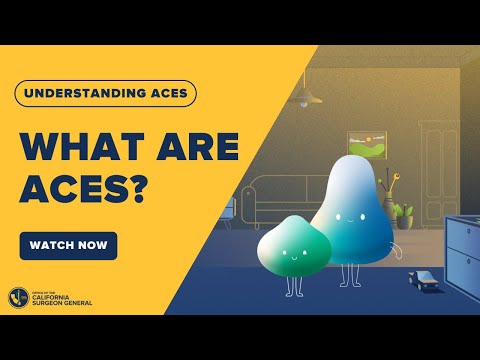
Adverse Childhood Experiences (ACEs) affect all of us and they can lead to a prolonged activation of our stress response called toxic stress – ultimately affecting health across a lifetime. This animated “explainer” video from the Office of the California Surgeon General illustrates how.
Dr. Thema describes political stress, including its consequences and important ways of coping for us to sustain ourselves. The opening reading is an excerpt from Cole Arthur Riley. To learn more check out Dr. Thema's books Homecoming, Reclaim Yourself, and Matters of the Heart. The intro and outro songs are by Joy Jones.
Dr. Thema describes strategies for grounding and soothing yourself, as well as the need for these strategies. To learn more, check out her book Homecoming. Intro music by Iyeoka and outro by Joy Jones.
Dr. Reyes has a conversation with Kaitlin Curtice, an award-winning author, poet-storyteller, and public speaker. She recalls the destabilizing effects of moving around a lot in childhood, her early experiences with conservative theology, and how she found refuge in expressing her love for people and stories through writing.
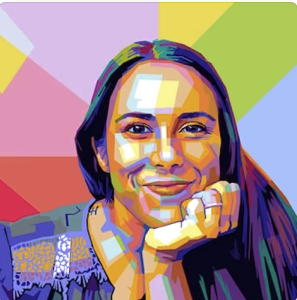
Dr. Reyes talks to Kat Armas, a Cuban American writer and podcaster from Miami, FL, about growing up in the Cuban community in Miami, her lifelong passion for stories, and the foundational relationship with her abuela that helped form her as a writer seeking to center the stories of women of faith.
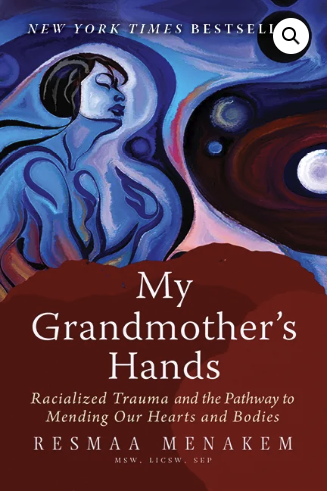
In this groundbreaking book, therapist Resmaa Menakem examines the damage caused by racism in America from the perspective of trauma and body-centered psychology.
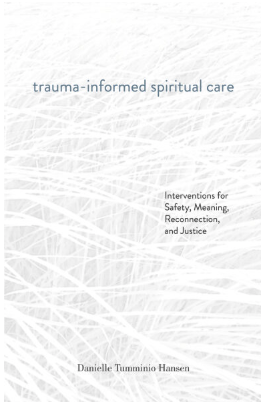
Danielle Tumminio Hansen offers a dynamic exploration of how trauma affects not just the physical and psychological lives of sufferers but also their spiritual well-being. Taking a feminist and intersectional approach, she considers how trauma challenges people both individually and collectively, while looking at tools spiritual caregivers can use to respond to it. Integrating theological wisdom with cutting-edge psychology, she offers targeted interventions to help trauma survivors restore their sense of safety, construct meaning, and reconnect with their communities. She also considers how restorative justice can be a tool to help trauma survivors voice their experiences and receive accountability in community.
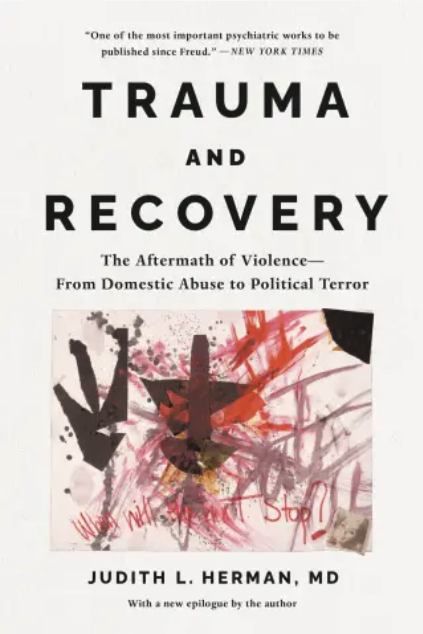
In this groundbreaking book, a leading clinical psychiatrist redefines how we think about and treat victims of trauma. A “stunning achievement” that remains a “classic for our generation.”
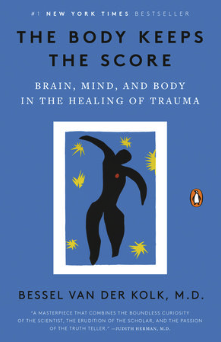
Trauma is a fact of life. Veterans and their families deal with the painful aftermath of combat; one in five Americans has been molested; one in four grew up with alcoholics; one in three couples have engaged in physical violence. Dr. Bessel van der Kolk, one of the world’s foremost experts on trauma, has spent over three decades working with survivors. In The Body Keeps the Score, he uses recent scientific advances to show how trauma literally reshapes both body and brain, compromising sufferers’ capacities for pleasure, engagement, self-control, and trust. He explores innovative treatments—from neurofeedback and meditation to sports, drama, and yoga—that offer new paths to recovery by activating the brain’s natural neuroplasticity. Based on Dr. van der Kolk’s own research and that of other leading specialists, The Body Keeps the Score exposes the tremendous power of our relationships both to hurt and to heal—and offers new hope for reclaiming lives.

Renee Kylestewa Begay is from the Pueblo of Zuni, located in the southwestern part of New Mexico. She is married to her high school sweetheart, Donnie Begay, and they have three daughters. She is the national director for Nations, a conference speaker, and manages a resource website called The Talking Circle. She co-founded the Nations movement—a national ministry that seeks to build good relationships with Indigenous communities.