

Disrupting Trauma Announces 2026 Keynote Speakers
AUGUST 21, 2026
Five leading voices will help shape a national conversation about trauma, theological formation, healing, and the possibilities that emerge when we imagine new ways forward.
This October, Disrupting Trauma: The Power and Promise of Theological Formation will bring together scholars, theological educators, ministry leaders, practitioners, and community leaders from across the country to explore a vital question: What becomes possible when theological formation takes trauma seriously?
We’re excited to introduce five scholars and leaders who will help guide that conversation as keynote speakers for the 2026 conference.
Together, they bring perspectives spanning psychology, practical theology, biblical studies, leadership, embodiment, migration, spiritual formation, and trauma-informed care—reflecting the interdisciplinary conversation at the heart of Disrupting Trauma.
AND THIS IS JUST THE BEGINNING
Together, these five voices offer different—and deeply connected—ways into the work ahead: the mind and the body, scripture and lived experience, leadership and institutional life, trauma and memory, formation and healing.
But the keynote stage is only one part of Disrupting Trauma.
In the weeks ahead, we’ll reveal more about each keynote session and the full conference program, along with the scholars, practitioners, and leaders guiding our breakout sessions and the facilitators leading embodied practices and experiences throughout our time together.
Each announcement will reveal another layer of a gathering designed to move beyond simply talking about trauma—and toward new ways of learning, connecting, healing, and imagining what theological formation can become. Join us in Chicago for the conversation—and for what comes next.
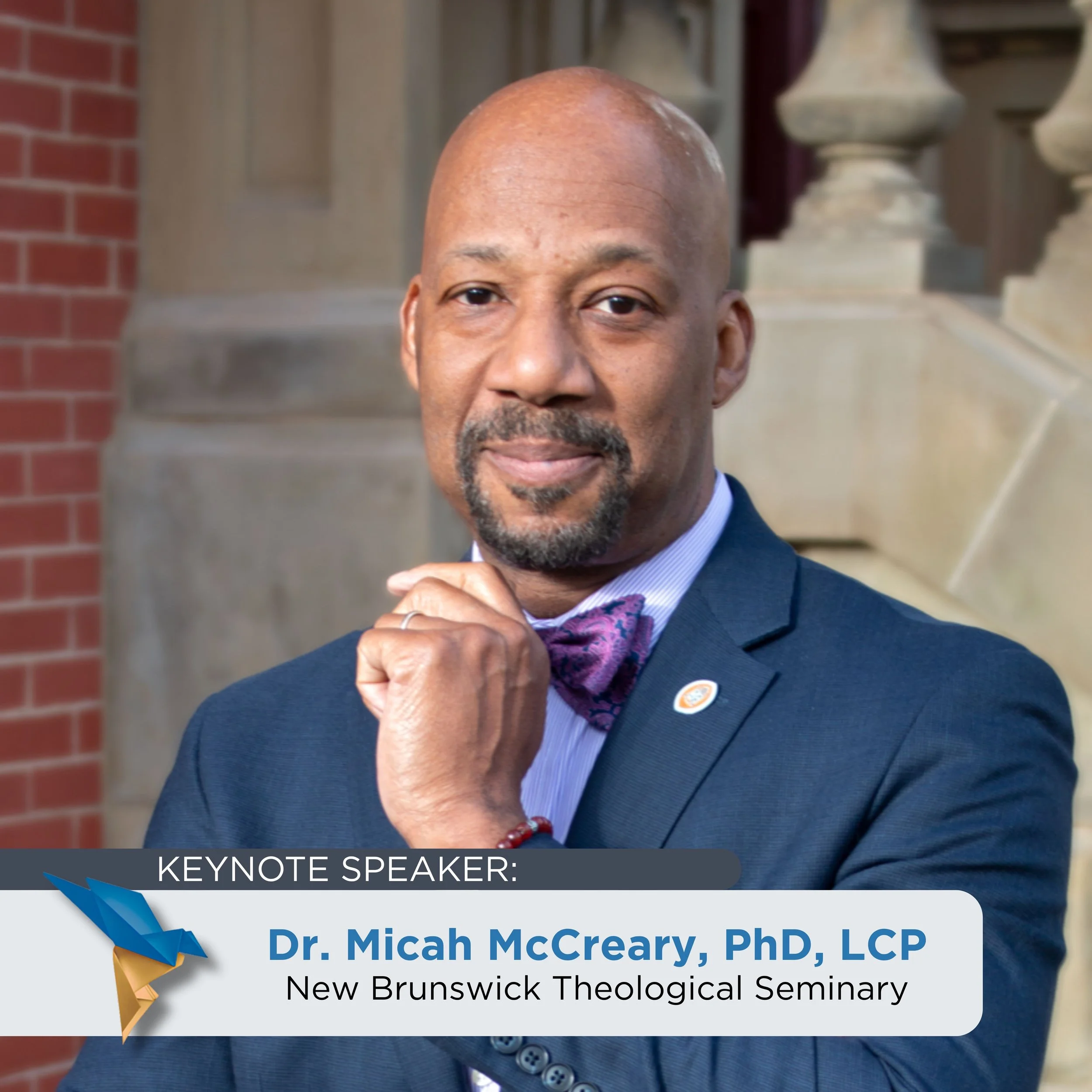
Dr. Micah McCreary, PhD, LCP
President and RCA General Synod Professor
New Brunswick Theological Seminary
Rev. Dr. Micah L. McCreary brings together a distinctive combination of experience as a theologian, psychologist, pastor, educator, and institutional leader. He has served as president of New Brunswick Theological Seminary since 2017 and was installed as a General Synod Professor of Theology in the Reformed Church in America in 2021. Before joining the seminary, he spent more than two decades as a psychology professor at Virginia Commonwealth University and led a psychological and human resources consulting firm.
His scholarship and leadership have engaged questions at the intersection of psychology, faith, race, trauma, and human flourishing, including work addressing race and trauma, psychosocial-spiritual well-being, church hurt, and suicide. That breadth of experience offers an important lens for considering how theological institutions and faith communities can become places of deeper care, formation, and transformation.
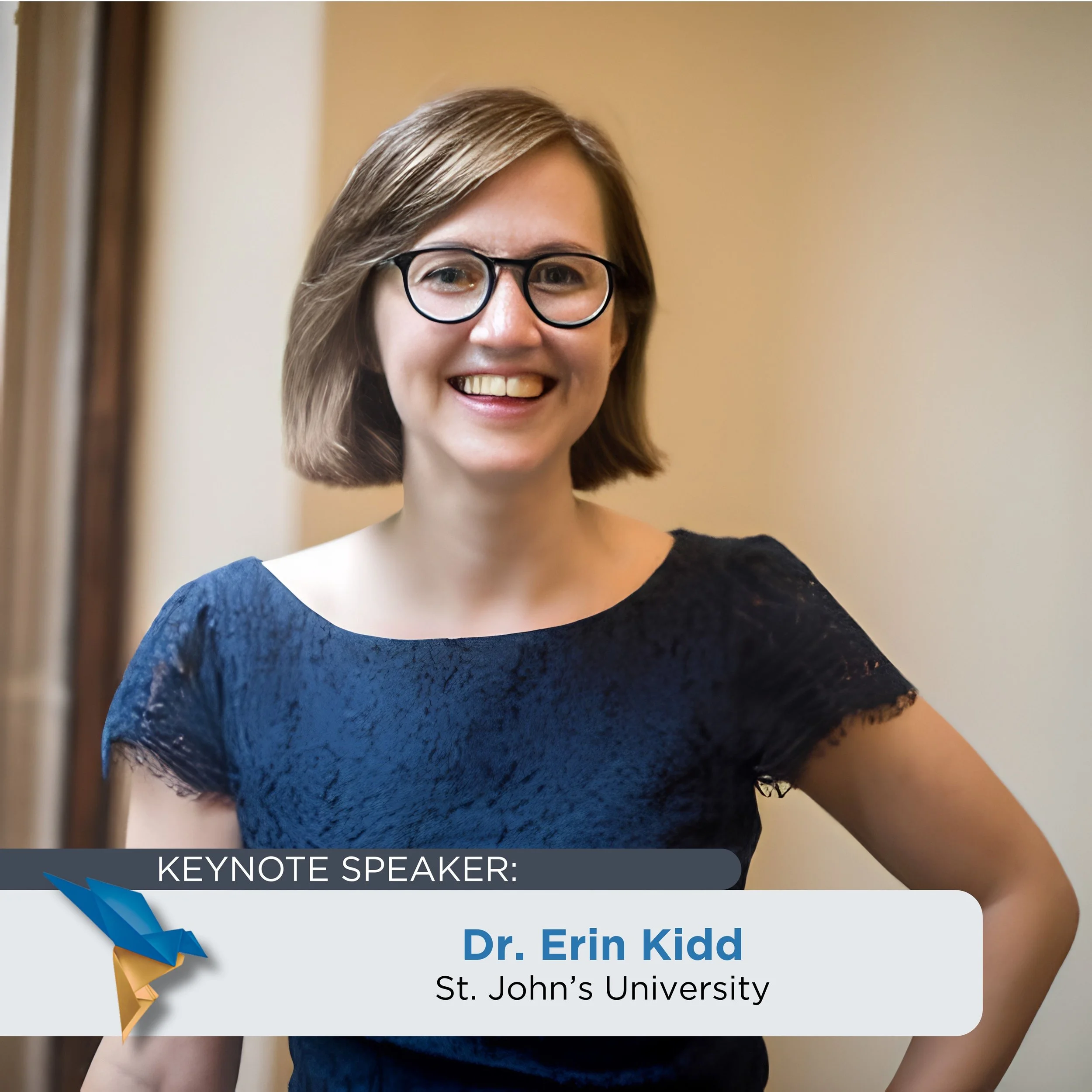
Dr. Erin Kidd
Associate Professor, Department of Theology & Religious Studies
St. John’s University
Dr. Erin Kidd’s scholarship brings the body directly into theological conversation. An associate professor of theology and religious studies at St. John’s University, Kidd teaches systematic theology and gender studies, with research focused on theological anthropology, feminist theology, theological method, science and religion, and the body.
Her current work, Doing Theology from the Gut, draws upon cognitive science, trauma studies, and affect theory to develop a feminist theological account of the body. Her scholarship has also explored survivor testimony, clergy sexual abuse, epistemic injustice, and theological responses to trauma—raising critical questions about what changes when theology takes seriously not only what we think and believe, but what bodies experience, carry, and remember.
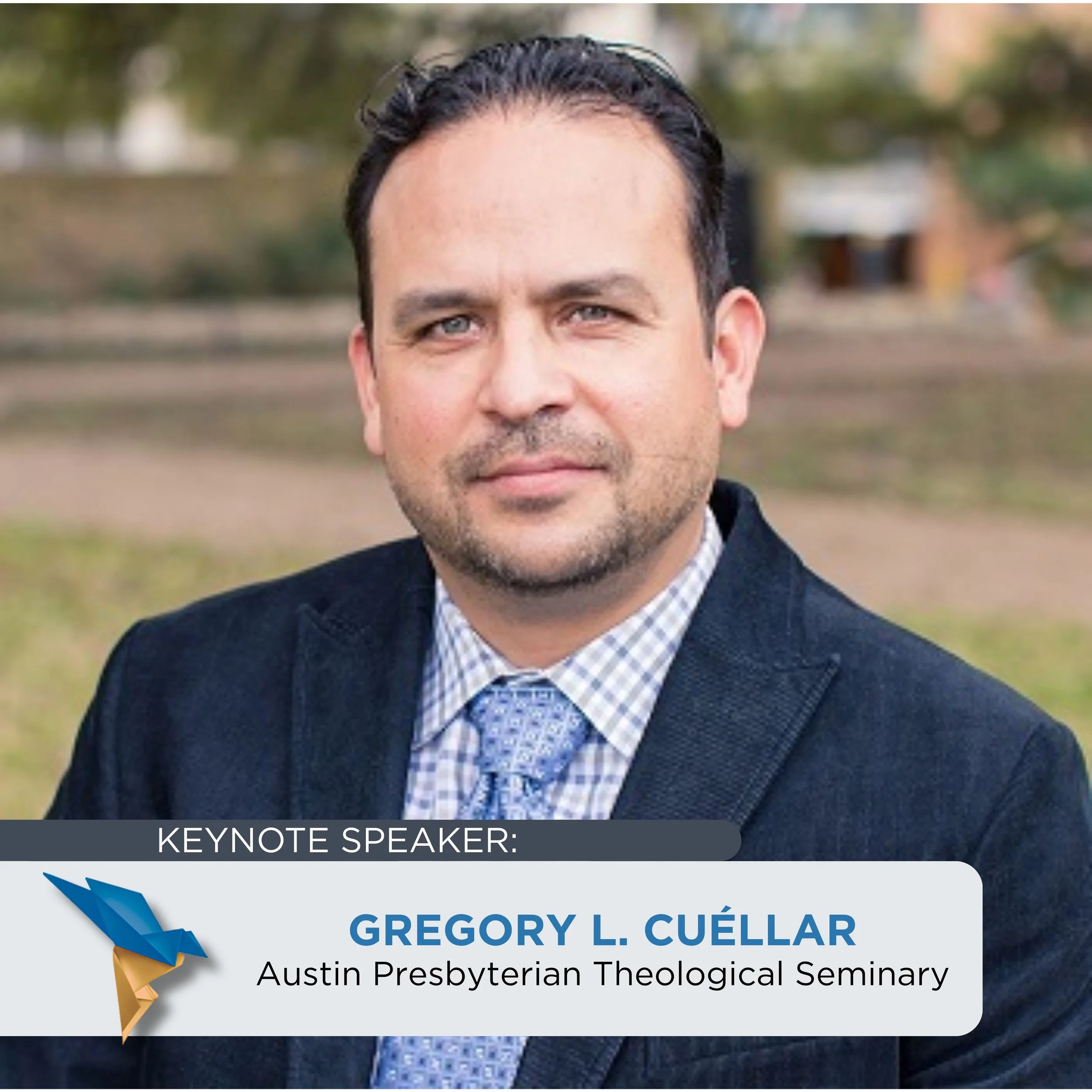
Dr. Greg Cuéllar, PhD
Professor of Hebrew Bible and Ruth A. Campbell Professor of Biblical Studies
Austin Seminary
Rev. Dr. Gregory Cuéllar is a biblical scholar whose work explores the intersections of scripture, migration, postcolonial thought, cultural studies, diaspora, and the experiences of communities too often pushed to the margins. His scholarship has long connected biblical interpretation with contemporary experiences of migration and displacement, including work centered on asylum-seeking children and youth at the U.S.–Mexico border.
His current research brings those interests directly into conversation with trauma. Cuéllar is leading a grant-funded project developing a postcolonial, trauma-informed approach to the book of Lamentations, placing its ancient poetry in conversation with the lived experiences of asylum seekers, survivors of genocide, and descendants of enslaved communities. The project asks how scripture might help expose the forces that create trauma while also opening pathways toward care, justice, and healing.
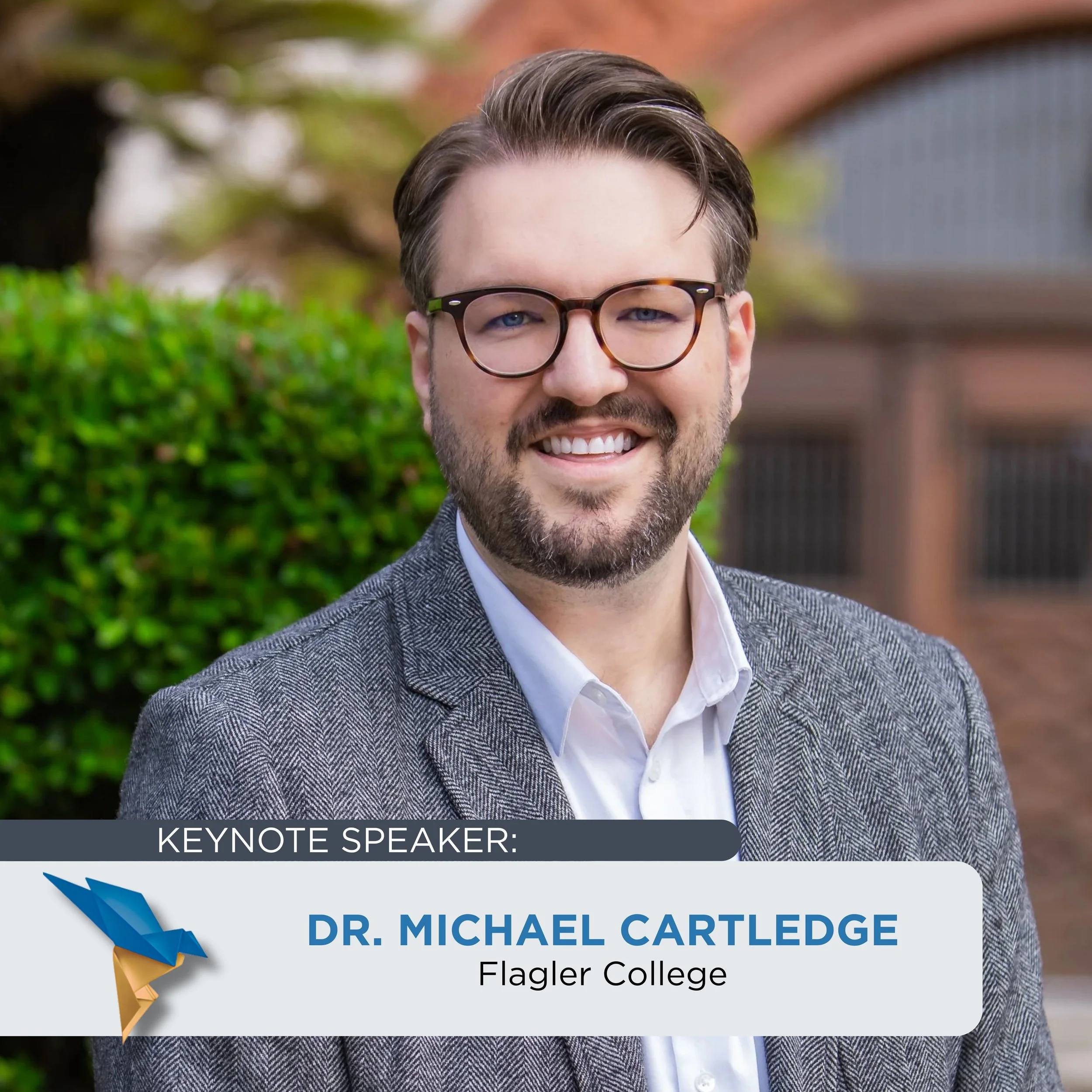
Dr. Michael Cartledge
Associate Director of Grants and Projects
Flagler College
Dr. Michael Paul Cartledge is an educator, researcher, and practitioner focused on helping churches and religious leaders approach spiritual formation with greater attention to trauma, mental health, and neurodiversity. At Flagler College’s Center for Religion and Culture, he leads Lilly Endowment-funded initiatives working with faith communities and theological educators to strengthen practices of welcome, care, and formation for children, youth, and families—particularly those impacted by trauma.
Cartledge earned his PhD in practical theology from Princeton Theological Seminary, where his doctoral research explored spiritual formation amid the experience of depression. His work brings research into conversation with congregational practice, asking how faith communities can create spaces that are more accessible, hospitable, and responsive to the varied ways people experience formation, belonging, and care.
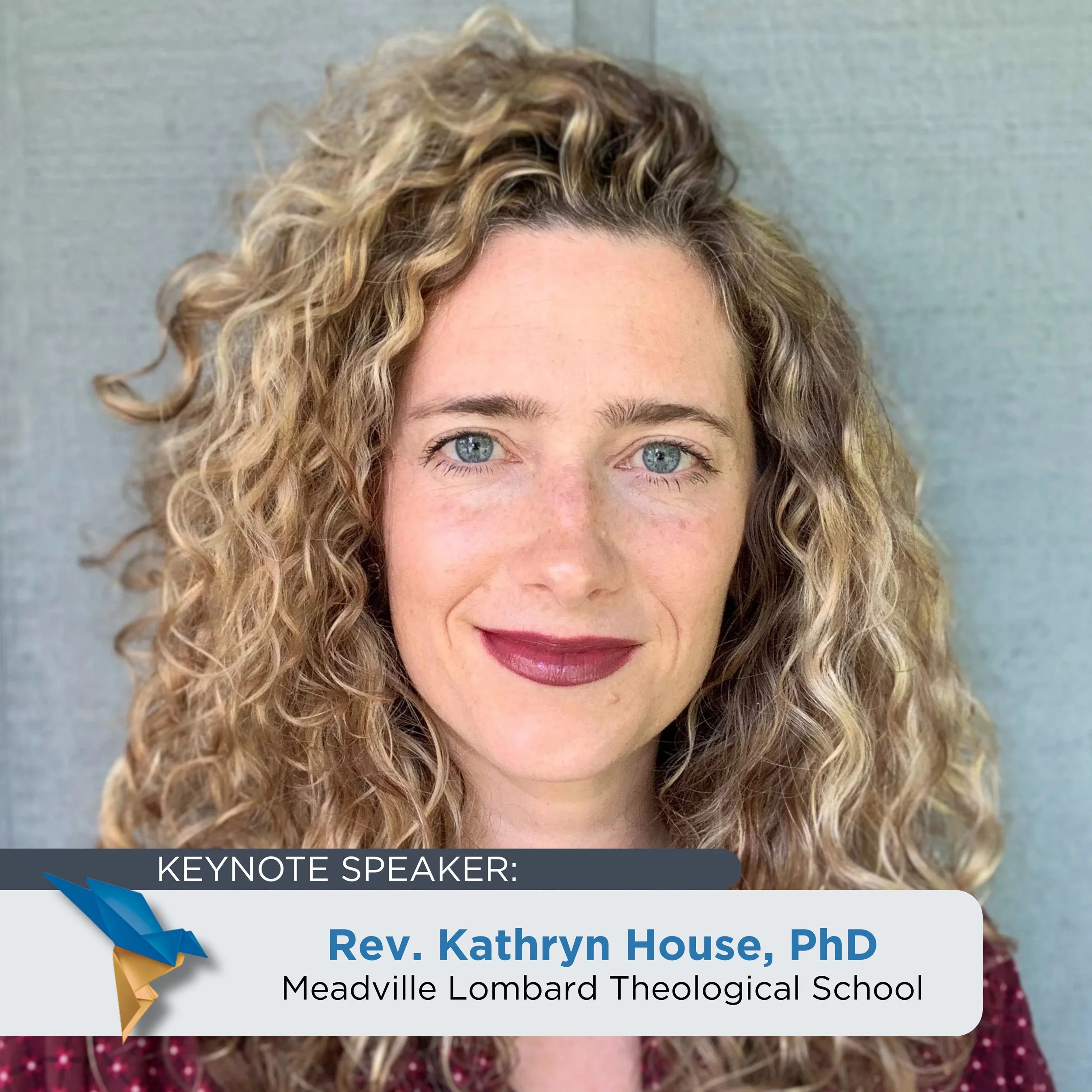
Rev. Kathryn House, PhD
Assistant Professor of Leadership Studies and Practical Theology and Chair of the Rev. Dr. Lee Barker Professorship of Leadership Studies
Meadville Lombard Theological School
Rev. Dr. Kathryn House is a theological educator whose work explores leadership, practical theology, embodied life, and the ways religious communities respond to experiences that shape—and sometimes wound—the people within them. Her research interests include prophetic religious leadership, liberationist theological traditions, trauma-informed pastoral and spiritual care, theologies of vocation, and the lasting impact of evangelical purity culture.
Before joining Meadville Lombard, House served at Louisville Presbyterian Theological Seminary as a visiting assistant professor of practical theology and Louisville Institute Postdoctoral Fellow and directed the Myrtle Collaboration, an initiative exploring vocation and lives of meaning and purpose. Her work invites leaders to understand their communities and contexts deeply—and to lead within them with creativity, courage, and care.