

From Meditation to Mentorship
May 28, 2026
How McCormick Helped Shape a Vision for the Next Generation
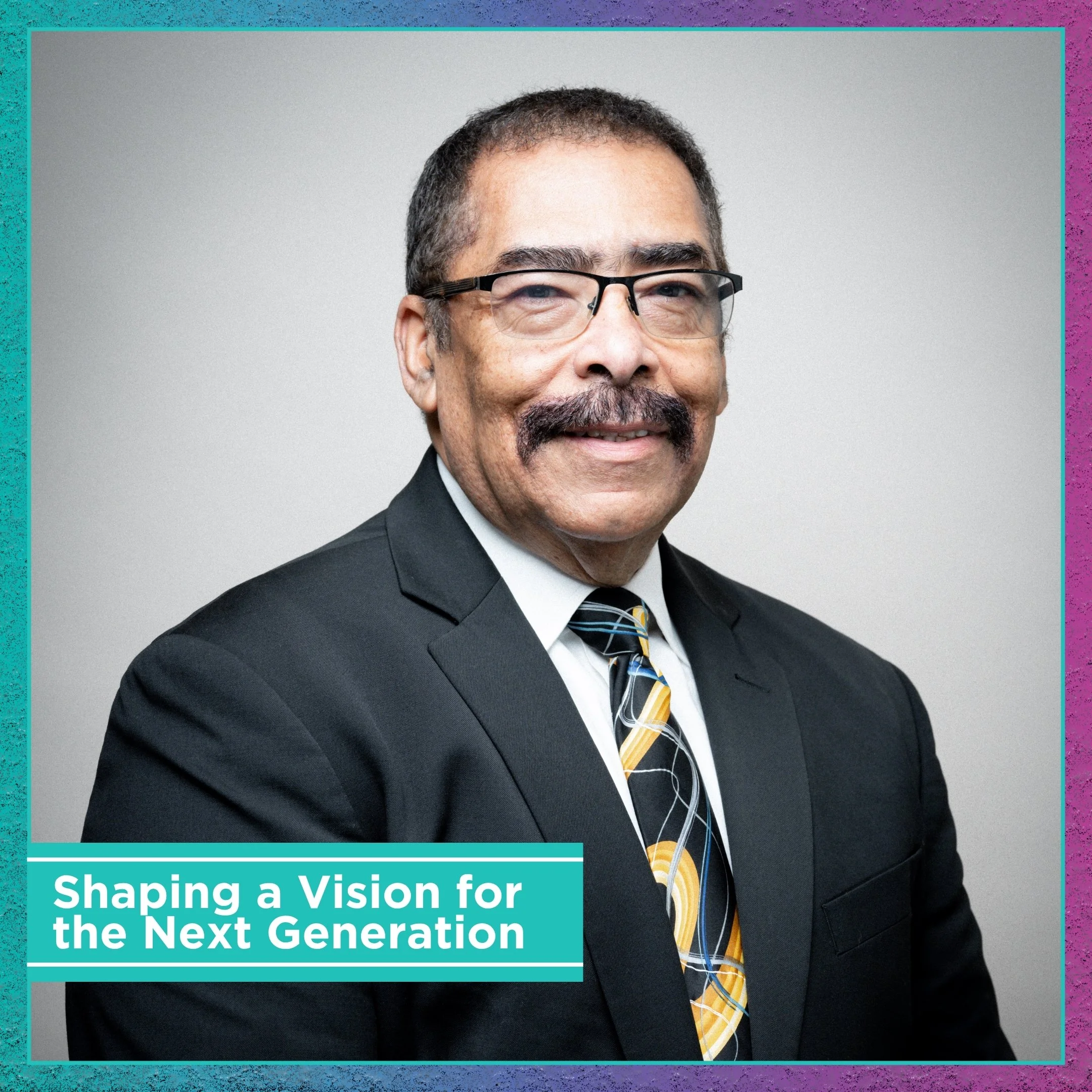
Kenith Bergeron
Coordinator of the ROPE program
A mother drapes a colorful Kente cloth over her 17-year-old son’s shoulders. The moment marks the emotional culmination of a ROPE (Rites of Passage Education) graduation ceremony. Around him, fellow youth affirm the truths, disciplines, and practices they have spent the last six months exploring together. Parents, guardians, church members, and mentors gather to witness a symbolic transition into spiritual adulthood.
For program founder Kenith Bergeron, these moments represent far more than celebration. They are glimpses of healing and transformation in communities too often shaped by trauma, inequity, and fractured systems. They are also a reflection of the kind of justice-centered formation that first took root during his time at McCormick Theological Seminary.
A CALLING ROOTED IN PEACEMAKING
Bergeron’s professional life has long placed him at the center of some of the nation’s most painful conflicts. As a federal mediator, his work has included high-profile cases connected to George Floyd and Trayvon Martin. In rooms filled with grief, anger, distrust, and confusion, Bergeron has been called upon to help communities navigate toward resolution and healing.
Yet amid those experiences, he noticed something deeper and recurring: many young people lacked the support systems, mentorship, ethical grounding, and emotional tools needed to navigate high-pressure situations and adulthood itself.
That realization became the spark behind ROPE.
“When COVID hit, and youth with existing isolationist tendencies retreated even further, it became even more important to draw them into mentorship and community,” Bergeron explains.
The program was designed specifically for youth in under-resourced communities, helping them develop leadership, self-awareness, moral discernment, communication skills, and community responsibility through mentorship and guided conversations. Youth participate in talking circles rooted in Socratic engagement, discussing everything from violence and gang affiliation to leadership, relationships, faith, and purpose.
A SEMINARY FORMATION GROUNDED IN JUSTICE
But for Bergeron, the work has never simply been about behavior modification. It is about helping young people understand themselves, one another, and the communities they are called to shape.
That philosophy was sharpened during his theological education at McCormick.
“McCormick exposed me to diverse thinkers and social justice rather than something that was a traditional seminary program,” Bergeron says.
Bergeron recalls entering seminary with clarity about his calling. He did not feel drawn toward traditional pastoral ministry. Instead, he understood himself to be called toward peacemaking, mediation, and justice work. At McCormick, he found a theological education that embraced that calling rather than forcing it into narrower definitions of ministry.
The seminary’s emphasis on public theology, equity, and social justice deeply shaped how he understood faith in action. Faculty and fellow seminarians challenged him to think critically about identity, systems, power, and community responsibility, while grounding those conversations in serious theological reflection.
That formation continues to echo throughout ROPE today.
Youth are encouraged to learn how to disagree without dehumanizing one another. They are challenged to think critically, listen deeply, and enter adulthood with a stronger sense of purpose and responsibility. The work reflects McCormick’s conviction that theology cannot remain disconnected from the realities people face every day.
“The classroom does not leave behind the real world, but welcomes it in,” Bergeron reflects through the practical approach he experienced during his seminary formation.
FORMING THE NEXT GENERATION THROUGH JUSTICE AND COMMUNITY
That practical, community-rooted learning remains central to the ROPE experience. Earlier this year, mentees visited the DuSable Black History Museum after spending weeks discussing African history, slavery, and African American identity. The museum experience became a hands-on extension of conversations already taking place inside the program’s mentorship circles.
Over time, those conversations evolve toward leadership, service, relationships, finances, vocation, and civic responsibility. Trust built week after week allows youth to engage vulnerable and difficult topics honestly.
Community leaders who have witnessed the program firsthand see its impact clearly.
“The call to reflect and discuss has led our young people to a greater level of personal development and perseverance,” says Rev. Dr. Joseph B. Gordon of Carter Temple Christian Methodist Episcopal Church, where ROPE was first piloted.
For Bergeron, the goal is larger than any single program cycle. He hopes to help shape a generation of young people who enter adulthood with confidence, wisdom, compassion, and the ability to respond differently in moments of tension and injustice.
In many ways, that vision mirrors the broader mission of McCormick itself: forming leaders who engage the world not with fear or detachment, but with courage, critical thought, justice, and transformative care for community.
And for Bergeron, that work begins with young people learning to see both themselves and one another more fully.